Bacteriostatic Water for Peptides: Complete Guide
What is bacteriostatic water for peptides? Learn about BAC water composition, shelf life, storage, reconstitution, and how it differs from sterile water.


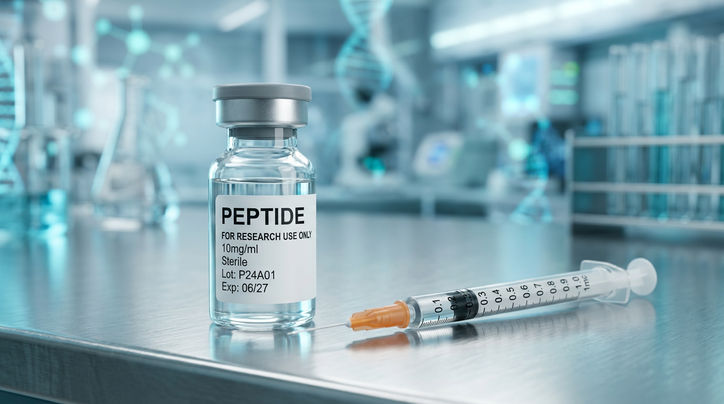
Bacteriostatic water for peptides is the standard diluent used to reconstitute lyophilized (freeze-dried) peptide compounds in research settings. Containing 0.9% benzyl alcohol as a bacteriostatic preservative, this USP-designated sterile water preparation allows researchers to perform repeated withdrawals from a single vial for up to 28 days without compromising solution sterility. This guide covers everything researchers need to know about bacteriostatic water: its chemical composition, how it compares to sterile water, proper storage conditions, shelf life, and its role in peptide reconstitution procedures.
What Is Bacteriostatic Water?
Bacteriostatic water is a sterile, nonpyrogenic preparation of water for injection containing 0.9% (9 mg/mL) benzyl alcohol added as a preservative. According to the Pfizer prescribing information, it is chemically designated as H₂O with a pH of 5.7 (acceptable range: 4.5 to 7.0). The United States Pharmacopeia (USP) classifies it as a multiple-dose preparation, meaning it is specifically formulated for repeated access from a single container.
The term "bacteriostatic" refers to the solution's ability to inhibit bacterial reproduction without necessarily killing existing organisms. This is distinct from "bactericidal" agents, which actively destroy bacteria. The 0.9% benzyl alcohol concentration is the key functional ingredient. A 2023 review published in Pharmaceutics noted that benzyl alcohol is the most widely used antimicrobial preservative in multi-dose parenteral formulations, functioning by disrupting bacterial cell membrane integrity. These observations were made under controlled laboratory conditions.
Bacteriostatic water is typically dispensed in 30 mL multi-dose vials, though 10 mL vials are also common in research supply catalogs. The vials are sealed with a rubber stopper designed for repeated needle puncture, and the DailyMed drug label specifies that the container material is a specially formulated polyolefin copolymer of ethylene and propylene.
Why Bacteriostatic Water Is Used for Peptide Research
Bacteriostatic water is the preferred reconstitution solvent in peptide research for one primary reason: its preservative action enables multi-dose access from a single reconstituted vial. Lyophilized peptides, once reconstituted, are in an aqueous solution vulnerable to microbial contamination every time a needle pierces the vial stopper. The benzyl alcohol in bacteriostatic water addresses this vulnerability directly.
Research into antimicrobial preservatives has demonstrated that benzyl alcohol at 0.9% concentration interferes with bacterial membrane properties, including efflux pump function, and exhibits greater antimicrobial activity against Gram-negative bacteria compared to Gram-positive bacteria or fungi. These findings were established through in vitro testing and may not reflect activity under all storage conditions.
A separate consideration involves peptide stability in the presence of preservatives. A 2020 study in the Journal of Pharmaceutical Sciences examined antimicrobial excipient-induced association of therapeutic peptides and found that benzyl alcohol can increase the physical stability and solubility of certain linear peptides under salt stress conditions. However, the same review noted that preservative-peptide interactions are compound-specific, and some larger proteins may experience conformational changes in the presence of benzyl alcohol. Further research is needed to characterize these interactions across different peptide families.
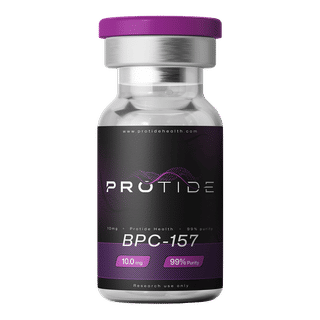
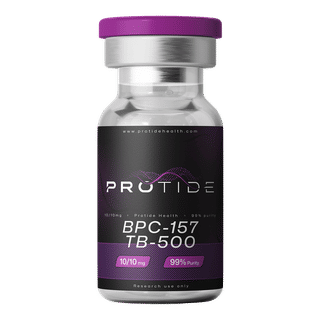
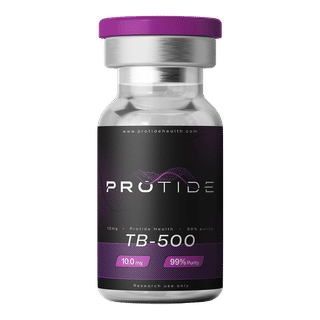
For most small peptides commonly studied in preclinical research (BPC-157, TB-500, GHK-Cu, and others), bacteriostatic water is the standard reconstitution solvent referenced in published protocols.
Bacteriostatic Water vs Sterile Water for Peptide Reconstitution
The distinction between bacteriostatic water and sterile water is one of the most common points of confusion in peptide research. Both are sterile and nonpyrogenic, but they differ in a critical way: preservative content.
Characteristic | Bacteriostatic Water | Sterile Water for Injection |
|---|---|---|
Preservative | 0.9% benzyl alcohol | None |
USP Designation | Multiple-dose | Single-dose |
Vial Access | Repeated withdrawals (up to 28 days) | Single use only |
Post-Reconstitution Stability | Up to 28 days (refrigerated) | 24 hours maximum |
Bacterial Growth Inhibition | Yes | No |
pH | 5.7 (range 4.5-7.0) | 5.5 (range 5.0-7.0) |
Sterile water for injection contains no preservative and is designated for single-dose use only. Once the vial is punctured, any remaining solution should be discarded. This makes sterile water appropriate for single-use applications but impractical for peptide research requiring multiple withdrawals over days or weeks.
Benzyl alcohol is the most widely used antimicrobial preservative in multi-dose protein and peptide formulations, functioning by disrupting bacterial cell membrane integrity and inhibiting microbial reproduction. (Antimicrobial Preservatives for Protein and Peptide Formulations, Pharmaceutics, 2023)
It is worth noting that not all peptides are compatible with benzyl alcohol. According to published compatibility data, certain compounds, including oxytocin and desmopressin, may experience degradation in the presence of benzyl alcohol and may require alternative diluents such as sterile saline or acetic acid solutions. Researchers should consult compound-specific reconstitution guidance before selecting a diluent. Peptide Mind's dosage calculator includes reconstitution volume guidance for common research peptides.
[IMAGE: Comparison infographic of bacteriostatic water vs sterile water for peptide research | Peptide Mind]
How Long Does Bacteriostatic Water Last?
The shelf life of bacteriostatic water depends on whether the vial has been opened (punctured) or remains sealed.
Unopened vials carry a manufacturer-assigned expiration date, typically 2 to 3 years from the date of manufacture when stored at controlled room temperature. The expiration date is printed on the vial label and should be verified before use.
Shop research peptides
Live pricing from our top-rated vendor. Prices update as vendor listings change.
Opened vials should be discarded 28 days after the first puncture, per USP Chapter 797 guidelines and standard laboratory operating procedures. The 28-day limit is based on preservative efficacy testing, which demonstrates that the 0.9% benzyl alcohol concentration maintains adequate antimicrobial activity for this period under proper storage conditions.
A 2023 study on pH measurement challenges for bacteriostatic water highlighted that maintaining the labeled pH range (4.5 to 7.0) is critical to preservative effectiveness, as benzyl alcohol's antimicrobial activity is pH-dependent. This research was conducted under controlled analytical conditions.
Reconstituted peptide solutions (peptide powder dissolved in bacteriostatic water) have a different stability profile from the diluent alone. Research on lyophilized peptide stability suggests that reconstituted peptides may remain chemically stable for varying durations depending on the specific compound, concentration, and storage temperature. A 2020 study on reconstituted sincalide, for example, observed little to no chemical degradation over 8 days at room temperature. These timelines are compound-specific, and researchers should refer to manufacturer data sheets for individual peptides.
As a general guideline in research settings, reconstituted peptide solutions in bacteriostatic water are typically stored for up to 28 days when refrigerated at 2-8°C.
Does Bacteriostatic Water Need Refrigeration?
Bacteriostatic water itself does not require refrigeration. The Pfizer product labeling specifies storage at controlled room temperature: 20°C to 25°C (68°F to 77°F), with excursions permitted between 15°C and 30°C (59°F to 86°F). Direct sunlight and freezing temperatures should be avoided, as UV exposure can degrade benzyl alcohol and freezing may compromise the vial's seal integrity.
However, once bacteriostatic water has been used to reconstitute a peptide, the storage requirements shift to those of the reconstituted peptide solution. Most reconstituted peptide solutions are refrigerated at 2-8°C (36-46°F) to slow chemical degradation processes.
A 2023 review on formulation strategies for therapeutic peptides noted that peptides are often unstable in aqueous solutions, with degradation pathways including oxidation, deamidation, and aggregation, all of which are accelerated at higher temperatures. These observations are based on analytical studies of various peptide formulations.
Storage Scenario | Temperature | Duration |
|---|---|---|
Unopened BAC water | 20-25°C (room temp) | Until expiration date (2-3 years) |
Opened BAC water (no peptide) | 20-25°C (room temp) | 28 days from first puncture |
Reconstituted peptide in BAC water | 2-8°C (refrigerated) | Up to 28 days (compound-dependent) |
Long-term peptide storage (unreconstituted) | -20°C (freezer) | Months to years (compound-dependent) |
Therapeutic peptides are often unstable in aqueous solutions, and degradation pathways including oxidation, deamidation, and aggregation are accelerated at higher temperatures. (Designing Formulation Strategies for Enhanced Stability of Therapeutic Peptides, Pharmaceutics, 2023)
How to Reconstitute Peptides with Bacteriostatic Water
Reconstitution is the process of dissolving a lyophilized (freeze-dried) peptide powder into solution using bacteriostatic water. The following procedure reflects standard research laboratory protocols published in the literature.
Materials Required
Gather all materials before beginning: a vial of USP-grade bacteriostatic water, the lyophilized peptide vial, appropriately sized syringes (typically 1 mL or 3 mL), alcohol prep pads, and a clean work surface.
Step-by-Step Research Procedure
Step 1: Prepare the workspace. Clean the work surface thoroughly. Ensure all materials are within reach and vials are at room temperature.
Step 2: Sanitize the vial stoppers. Wipe the rubber stopper of both the bacteriostatic water vial and the peptide vial with separate alcohol prep pads. Allow the alcohol to evaporate completely (approximately 30 seconds).
Step 3: Withdraw bacteriostatic water. Using a sterile syringe, draw the desired volume of bacteriostatic water. Common reconstitution volumes range from 1 mL to 3 mL, depending on the peptide quantity and the concentration required for the research protocol. Peptide Mind's dosage calculator can assist with volume calculations. See the step-by-step reconstitution guide for exact mixing ratios by peptide.
Step 4: Add water to the peptide vial. Insert the needle into the peptide vial through the rubber stopper. Inject the bacteriostatic water slowly along the inside wall of the vial, allowing it to run down the glass rather than directly onto the lyophilized powder. Direct impact on the powder can denature some peptides.
Step 5: Allow dissolution. Gently swirl the vial to encourage dissolution. Do not shake, as shaking can cause peptide aggregation and foaming. Most peptides dissolve within 1 to 5 minutes. If the solution appears cloudy or contains visible particles after 10 minutes of gentle swirling, the peptide may require a different diluent (such as dilute acetic acid solutions for certain hydrophobic peptides).
Shop research peptides
Live pricing from our top-rated vendor. Prices update as vendor listings change.
Step 6: Label and store. Label the vial with the peptide name, concentration (e.g., 5 mg/2 mL = 2.5 mg/mL), date of reconstitution, and expiration date (28 days from reconstitution). Store refrigerated at 2-8°C.
A 2019 study on reconstitution protocols found that standardizing the reconstitution procedure is a key parameter for controlling product stability, as monomer content and subvisible particle formation differed considerably between different reconstitution methods. These findings were observed under controlled pharmaceutical manufacturing conditions and underscore the importance of consistent technique.
Common Mistakes in Bacteriostatic Water Use
Several recurring errors in peptide research settings can compromise solution integrity and experimental reproducibility. Understanding these pitfalls is as important as understanding proper technique.
Using expired or improperly stored bacteriostatic water. Benzyl alcohol can degrade under prolonged UV exposure or temperature extremes, reducing its preservative efficacy below the threshold needed to inhibit microbial growth. Always verify the expiration date and storage history before use. A 2023 analytical study demonstrated that even small shifts in pH outside the 4.5 to 7.0 range can significantly affect benzyl alcohol's antimicrobial performance. These measurements were performed under controlled laboratory conditions.
Shaking the vial during reconstitution. Vigorous shaking introduces air bubbles and can cause peptide aggregation, a process where peptide molecules cluster together and lose their intended structural conformation. Published research on protein lyophilizate reconstitution has shown that aggressive mixing increases subvisible particle formation compared to gentle swirling techniques. These observations were made in controlled pharmaceutical studies and highlight the importance of technique standardization.
Injecting water directly onto the lyophilized powder. The force of the water stream can physically disrupt the peptide cake structure and cause localized concentration spikes that promote aggregation. Best practice is to direct the stream along the vial wall and allow it to flow gently over the powder.
Exceeding the 28-day usage window. While a reconstituted solution may appear clear and uncontaminated beyond 28 days, the preservative efficacy of benzyl alcohol cannot be guaranteed past this point. Microbial contamination at low levels may not be visually detectable but can compromise both the peptide and any research data derived from its use.
Using bacteriostatic water for incompatible compounds. As noted above, certain peptides and larger proteins may interact unfavorably with benzyl alcohol. Using the wrong diluent can lead to aggregation, precipitation, or loss of biological activity in research assays.
Quality and Sourcing Considerations for Research
Not all bacteriostatic water products are equivalent. For research applications requiring reliable and reproducible results, the following quality indicators should guide sourcing decisions.
USP grade is the baseline quality standard. USP-grade bacteriostatic water meets the United States Pharmacopeia monograph requirements for sterility, pyrogenicity, particulate matter, and benzyl alcohol concentration. Products not labeled as USP-grade may not have undergone the same level of quality testing.
Certificate of Analysis (COA): Reputable suppliers provide a COA for each lot, documenting sterility testing results, endotoxin levels, pH, and benzyl alcohol concentration. Researchers should verify that the COA matches the lot number on the vial.
Vial material and closure: Glass vials with butyl rubber stoppers are the pharmaceutical standard. Plastic vials made from USP-compliant polyolefin are also acceptable. The closure system must maintain sterility through repeated needle punctures.
Expiration dating: Verify that the product has a clearly printed expiration date with adequate remaining shelf life for the planned research timeline.
Frequently Asked Questions
What is bacteriostatic water used for in peptide research?
Bacteriostatic water is used as the primary diluent for reconstituting lyophilized peptides in research settings. Its 0.9% benzyl alcohol preservative inhibits bacterial growth, allowing researchers to make repeated withdrawals from a single reconstituted vial for up to 28 days. This makes it the standard solvent for multi-dose peptide research protocols. The preservative mechanism involves disruption of bacterial cell membrane integrity, as demonstrated in laboratory analyses.
How much bacteriostatic water should be added to a peptide vial?
The volume of bacteriostatic water added depends on the peptide quantity in the vial and the desired concentration. A common approach is adding 2 mL of bacteriostatic water to a 5 mg vial, producing a concentration of 2.5 mg/mL (or 2,500 mcg/mL). Peptide Mind's dosage calculator provides volume calculations based on specific peptide quantities and target concentrations.
Shop research peptides
Live pricing from our top-rated vendor. Prices update as vendor listings change.
Can sterile water be used instead of bacteriostatic water for peptides?
Sterile water for injection can be used for single-use reconstitution but lacks the benzyl alcohol preservative that inhibits bacterial growth. Without this preservative, reconstituted solutions are vulnerable to contamination upon each subsequent vial access and should be used within 24 hours. For research protocols requiring multiple withdrawals over days or weeks, bacteriostatic water is the standard choice.
How long does bacteriostatic water last after opening?
An opened vial of bacteriostatic water should be used within 28 days of the first puncture, per USP guidelines. The 0.9% benzyl alcohol maintains antimicrobial effectiveness for this duration when stored at controlled room temperature (20-25°C). After 28 days, the preservative efficacy can no longer be guaranteed, and the vial should be discarded.
Does bacteriostatic water expire?
Yes. Unopened bacteriostatic water has a manufacturer-assigned expiration date, typically 2 to 3 years from production. The expiration date is printed on the vial label. Using expired bacteriostatic water is not recommended, as the benzyl alcohol concentration and sterility may no longer meet USP specifications.
Are there peptides that should not be reconstituted with bacteriostatic water?
Some compounds are incompatible with benzyl alcohol and require alternative diluents. Published compatibility data indicates that certain peptides and proteins may experience degradation in the presence of benzyl alcohol preservatives. Oxytocin and desmopressin are commonly cited examples. Researchers should consult the specific peptide's technical data sheet or certificate of analysis for diluent recommendations.
Research Disclaimer
The information presented in this article is for educational and research purposes only. Peptide Mind provides evidence-based research summaries and does not offer medical advice, diagnosis, or treatment recommendations. All peptides discussed are intended for in vitro and preclinical research use only. Consult a qualified healthcare professional before making any health-related decisions. The research cited may not reflect the full body of available evidence, and findings from preclinical studies may not translate to human outcomes.
References
Majumder S, Ford BM, Bhambhani A, et al. Antimicrobial Preservatives for Protein and Peptide Formulations: An Overview. Pharmaceutics, 15(5), 2023. PMC10217790
Bacteriostatic Water for Injection, USP Prescribing Information. Pfizer. Pfizer Labeling
Bacteriostatic Water, injection, solution. DailyMed, National Library of Medicine. DailyMed Label
Silvestri JA, Kiser TH, Maguire ME, et al. Critical Aspects of pH Measurement for Bacteriostatic Water for Injection. PDA Journal of Pharmaceutical Science and Technology, 77(2), 2023. PubMed 36870668
Weiss IV WF, et al. Antimicrobial Excipient-Induced Reversible Association of Therapeutic Peptides in Parenteral Formulations. Journal of Pharmaceutical Sciences, 110(1), 2021. PubMed 32980392
Hawe A, Poole R, Jiskoot W. Designing Formulation Strategies for Enhanced Stability of Therapeutic Peptides in Aqueous Solutions: A Review. Pharmaceutics, 15(4), 2023. PubMed 36986796
Guo M, et al. Chemical Stability of Reconstituted Sincalide in Sterile Water Under 2 Different Storage Conditions. Hospital Pharmacy, 55(6), 2020. PubMed 32111658
Kulkarni C, et al. Standardization of the Reconstitution Procedure of Protein Lyophilizates as a Key Parameter to Control Product Stability. Journal of Pharmaceutical Sciences, 109(1), 2020. PubMed 31655034
The Role of Bacteriostatic Water in Modern Peptide Research
Bacteriostatic water for peptides remains the foundational diluent in reconstitution workflows across preclinical research. Its combination of sterility, USP-grade quality standards, and benzyl alcohol preservation makes it the reference-standard solvent for multi-dose peptide applications. Understanding proper storage conditions, the 28-day usage window, and compound-specific compatibility considerations ensures that researchers can maintain solution integrity throughout their protocols.
Add a comment
This will be publicly visible.
Your email address will not be published.
Your comment will be reviewed by an admin before it is published.