How to Reconstitute BPC-157: Step-by-Step Guide (2026)
Learn how to reconstitute BPC-157 with bacteriostatic water. Covers supplies, concentration math, step-by-step mixing, storage, and common mistakes.


Add 2 mL of bacteriostatic water to a 10 mg BPC-157 vial. That produces a 5 mg/mL solution, where a 500 mcg dose is 10 units on a standard insulin syringe. Reconstituting BPC-157 means dissolving the lyophilized (freeze-dried) powder into bacteriostatic water to create a solution of known concentration. It takes under five minutes and needs nothing beyond a mixing syringe, alcohol swabs and basic sterile technique.
Below you will find a video walkthrough, the full dilution chart for a 10 mg vial, standard volumes for every size from 5 mg to 40 mg, the five-step mixing process, storage and shelf-life rules, and the mistakes that ruin a vial.
How to Reconstitute BPC-157: Video Tutorial
Supplies Needed for BPC-157 Reconstitution
Before reconstituting BPC-157, gather the following supplies. Every item plays a specific role in maintaining sterility and dosing accuracy.
Supply | Purpose |
|---|---|
BPC-157 lyophilized vial (i.e. 5 mg or 10 mg) | Contains the peptide powder to be dissolved |
Bacteriostatic water (BAC water) | Sterile solvent with 0.9% benzyl alcohol preservative |
Alcohol swabs | Sanitize rubber stoppers before needle insertion |
Mixing syringe (3 mL or 5 mL) | Transfer measured BAC water into the peptide vial |
Insulin syringes (1 mL / 100 unit) | Draw precise volumes after reconstitution |
Why bacteriostatic water? BAC water contains 0.9% benzyl alcohol, which inhibits microbial growth and allows the reconstituted solution to be used across multiple draws over days or weeks. Sterile water lacks this preservative and should only be used for single-draw preparations. For a deeper comparison, see Peptide Mind's bacteriostatic water guide.

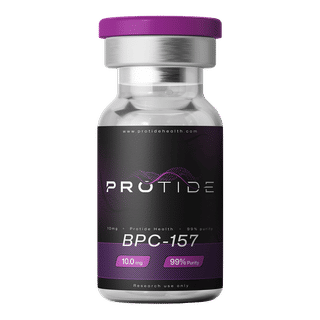
Research vendors like Protide Health carry bacteriostatic water specifically formulated for peptide reconstitution.
How Much BAC Water for BPC-157?
The amount of BAC water you add determines the concentration of your solution, which in turn determines how much liquid you draw per dose. The formula is straightforward:
Concentration (mg/mL) = Total mg in vial ÷ Total mL of BAC water added
Dose volume (mL) = Target dose (mg) ÷ Concentration (mg/mL)
The most common approach is adding 2 mL of BAC water, which produces easy-to-measure concentrations. The table below covers the most common 10mg vial size.
BAC water added to a 10 mg vial | Final concentration | 250 mcg dose | 500 mcg dose | 1,000 mcg dose |
|---|---|---|---|---|
1 mL | 10 mg/mL | 2.5 units | 5 units | 10 units |
2 mL (most common) | 5 mg/mL | 5 units | 10 units | 20 units |
3 mL | 3.33 mg/mL | 7.5 units | 15 units | 30 units |
4 mL | 2.5 mg/mL | 10 units | 20 units | 40 units |
5 mL | 2 mg/mL | 12.5 units | 25 units | 50 units |
Units on the syringe: all figures assume a standard 1 mL / 100 unit insulin syringe, where 1 unit = 0.01 mL. 1 mg = 1,000 mcg.
Why 2 mL is the default: it produces whole-number unit readings at the most commonly researched doses, which removes the guesswork from drawing a partial tick mark. If your protocol calls for doses under 250 mcg, use 3 mL instead so the volume you draw is large enough to measure precisely. Keep in mind, most vials of BPC-157 come in 3mL formats, which means you wouldn't be able to reconstitute it with 4mL or 5mL of BAC water.
For any vial size or dose not shown here, run it through the Peptide Mind dosage calculator.
Every Vial Size at a Glance
Across the six vial sizes sold most often, these are the standard reconstitution volumes.
Shop research peptides
Live pricing from our top-rated vendor. Prices update as vendor listings change.
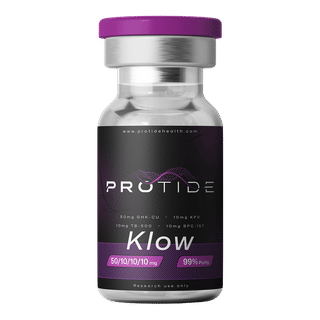
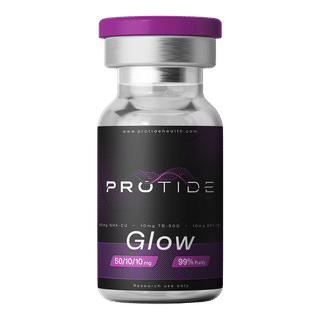
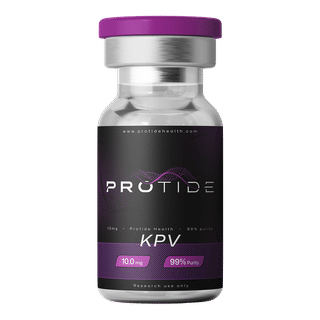
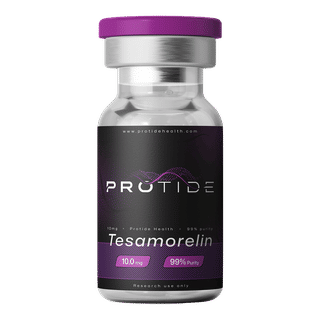
Vial size | Recommended BAC water | Resulting concentration | 500 mcg dose | 1,000 mcg dose |
|---|---|---|---|---|
5 mg | 2 mL | 2.5 mg/mL | 20 units | 40 units |
10 mg | 2 mL | 5 mg/mL | 10 units | 20 units |
15 mg | 3 mL | 5 mg/mL | 10 units | 20 units |
20 mg | 3 mL | 6.67 mg/mL | 7.5 units | 15 units |
30 mg | 3 mL | 10 mg/mL | 5 units | 10 units |
40 mg | 3 mL | 13.33 mg/mL | 3.75 units | 7.5 units |
The rule is simple: 2 mL for 5 mg and 10 mg vials, 3 mL for anything 15 mg and above. Those two volumes cover every format on the market and both are easy to draw accurately into a 3 mL mixing syringe.
What changes across the range is concentration, and therefore how much you draw.

Unit confusion is the most common reconstitution error. The mg-to-mcg conversion trips up researchers frequently. Always confirm your math before drawing: if the numbers seem off by a factor of 10 or 1,000, you likely mixed up units.
Step-by-Step BPC-157 Reconstitution Process
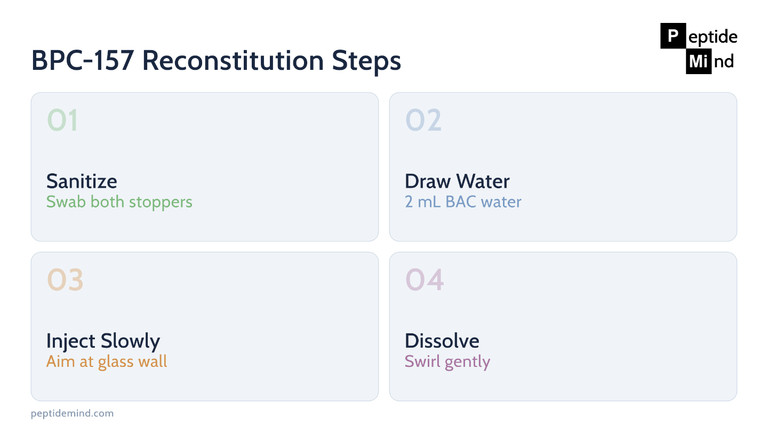
Follow these five steps to reconstitute BPC-157 correctly. The entire process takes approximately 3 to 5 minutes.
Step 1: Sanitize Both Vials
Wipe the rubber stopper of both the BPC-157 vial and the BAC water vial with a fresh alcohol swab. Allow the alcohol to air dry for 5 to 10 seconds. This removes surface contaminants that could be introduced by the needle.
Step 2: Draw Bacteriostatic Water
Using your mixing syringe, draw the calculated amount of BAC water (typically 2 mL). Pull back the plunger slowly to avoid introducing air bubbles into the syringe.
Step 3: Inject Water Into the Peptide Vial
Insert the needle through the rubber stopper of the BPC-157 vial. Aim the needle toward the glass wall of the vial, not directly at the powder cake. Release the water slowly, letting it run down the inside wall. This prevents the force of the liquid from damaging the peptide structure through direct impact on the lyophilized cake.
Step 4: Let It Dissolve
Do not shake the vial. Shaking causes foaming and can denature the peptide through mechanical stress. Instead, gently swirl or roll the vial between your palms. BPC-157 typically dissolves within 1 to 3 minutes, producing a clear, colorless solution. If small particles remain after 5 minutes of gentle swirling, let the vial sit in the refrigerator for 15 to 20 minutes and check again.
Step 5: Verify the Solution
The reconstituted solution should be completely clear with no visible particles, cloudiness, or discoloration. If the solution appears cloudy, contains floating specks, or shows any color change, the vial may be compromised and should not be used.
Does Reconstituted BPC-157 Need to Be Refrigerated?
Yes. Once BPC-157 is reconstituted, refrigeration is mandatory. Store the vial at 2 to 8°C, which is standard refrigerator temperature.
Shop research peptides
Live pricing from our top-rated vendor. Prices update as vendor listings change.
Peptides are sensitive to temperature fluctuation, so place the vial on a shelf in a consistent spot rather than in the door, where the temperature swings every time the fridge is opened. Lyophilized BPC-157 that has not yet been reconstituted is far more forgiving and remains stable at room temperature for months, but that tolerance disappears the moment water is added.
Light protection matters too. Research on peptide stability in aqueous solutions confirms that light exposure accelerates oxidative degradation in reconstituted peptides. Keep vials in the original box or wrapped in foil if your refrigerator has interior lighting.
How Long Does a Vial of BPC-157 Last After Mixing?
With bacteriostatic water: up to 28 days, stored at 2 to 8°C with proper sterile technique. The benzyl alcohol preservative inhibits bacterial growth across multiple needle punctures, which is why BAC water outperforms sterile water for any multi-dose preparation.
With sterile water: 24 to 48 hours. Without a preservative, contamination risk rises with every puncture. Sterile water is appropriate only for single-use preparations.
Storage factor | Recommended | Avoid |
|---|---|---|
Temperature | 2 to 8°C (refrigerator) | Room temperature, freezing reconstituted solution |
Light | Dark storage, foil wrap | Direct sunlight, open refrigerator shelves |
Handling | Minimal punctures, alcohol swab before each draw | Repeated unnecessary punctures, touching the stopper |
Shelf life (BAC water) | Up to 28 days | Use past 30 days |
Shelf life (sterile water) | 24 to 48 hours | Multi-day use |
This is the constraint that should shape your vial size choice. A 10 mg vial at 250 mcg per dose lasts forty doses, which will outlast the 28 day window on most protocols. Match the vial to the timeline.
For a full breakdown of peptide storage practices, read Peptide Mind's guide on how to store peptides, and for solvent shelf life specifically, how long BAC water is good for.

Can You Freeze Reconstituted BPC-157?
No. Freezing a reconstituted peptide solution is not recommended, because the freeze-thaw cycle can cause aggregation and denaturation that reduces potency. Lyophilized BPC-157 that has not been reconstituted can be stored frozen for long-term preservation, but once water is added, refrigeration at 2 to 8°C is the correct method.
If you need long-term storage, keep the vial lyophilized and reconstitute only what you will use inside the 28 day window.
Common Reconstitution Mistakes and How to Avoid Them
Five errors account for the majority of reconstitution problems reported in peptide research communities.
1. Spraying water directly onto the powder. Directing the stream straight at the lyophilized cake can damage the peptide through mechanical force. Always aim the needle at the glass wall and let the water trickle down.
2. Shaking the vial. Vigorous shaking causes foaming and can lead to peptide aggregation or denaturation. Gentle swirling is sufficient. BPC-157 dissolves readily in aqueous solution.
3. Confusing mg and mcg. The single most dangerous calculation error. A researcher who misreads a 250 mcg dose as 250 mg is off by a factor of 1,000. Always double-check unit labels on the vial and confirm your concentration math before drawing.
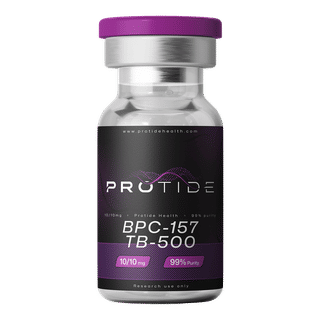
4. Misreading a blend vial. On a combined BPC-157 and TB-500 vial, the milligram figure is the total of both peptides. Treating a 10 mg blend as 10 mg of BPC-157 doubles your intended BPC-157 figure and silently adds a second peptide you did not account for.
5. Using the wrong diluent. Not all peptides are compatible with bacteriostatic water. BPC-157 reconstitutes well in BAC water, but some peptides, including oxytocin and certain GLP-1 analogs, require sterile water or saline instead. Always verify diluent compatibility for the specific peptide you are working with.
Reconstitution Solutions Compared: BAC Water vs. Sterile Water vs. Saline
Shop research peptides
Live pricing from our top-rated vendor. Prices update as vendor listings change.
Choosing the right diluent depends on the peptide, the number of intended draws, and storage duration.
Diluent | Preservative | Best for | Shelf life after reconstitution |
|---|---|---|---|
Bacteriostatic water | 0.9% benzyl alcohol | Multi-dose vials, most peptides including BPC-157 | Up to 28 days refrigerated |
Sterile water | None | Single-use preparations, benzyl alcohol-sensitive peptides | 24 to 48 hours refrigerated |
Normal saline (0.9% NaCl) | None unless bacteriostatic | Peptides requiring isotonic solution | 24 to 48 hours refrigerated |
For BPC-157 specifically, bacteriostatic water is the standard choice. The 0.9% benzyl alcohol concentration provides effective antimicrobial protection without compromising peptide stability. For a detailed comparison of these solvents, see the Peptide Mind reconstitution guide.
What BPC-157 Is and Why It Comes as a Powder
BPC-157 (Body Protection Compound-157) is a 15-amino acid synthetic peptide derived from a protective protein found in human gastric juice. First characterized by Sikiric et al. at the University of Zagreb, BPC-157 has been studied in over 100 preclinical trials for its effects on tissue repair, gastrointestinal protection, and angiogenesis.
The peptide is supplied as a lyophilized powder because freeze-drying preserves molecular stability during shipping and storage. In this form, BPC-157 can remain stable at room temperature for months. Once reconstituted into a liquid solution, degradation begins, and the stability window shortens significantly. A 2022 pharmacokinetics study confirmed BPC-157's elimination half-life is under 30 minutes in vivo, underscoring why preparation accuracy and proper storage matter.
Reconstitution converts that stable powder into a measurable solution so that precise volumes can be drawn for research applications.
BPC-157 Research Background
Understanding what BPC-157 is helps contextualize why proper reconstitution matters for research accuracy. BPC-157 is one of the most extensively studied peptides in preclinical literature, with a research history spanning over three decades.
A 2025 systematic review in Orthopaedic Sports Medicine analyzed 36 studies on BPC-157 and found that the peptide improved functional, structural, and biomechanical outcomes in muscle, tendon, ligament, and bone injury models. Earlier work by Chang et al. demonstrated that BPC-157 significantly accelerated Achilles tendon outgrowth and increased tendon fibroblast migration in a dose-dependent manner. A separate 2025 rat study showed that oral BPC-157 at doses of 10 mcg/kg per day promoted muscle-to-bone reattachment after surgical detachment.
Research note: A 2025 literature and patent review catalogued BPC-157's multifunctional activity across gastrointestinal, musculoskeletal, neurological, and cardiovascular preclinical models. The review noted that BPC-157 interacts with the nitric oxide system, VEGFR2, and multiple growth factor pathways.
The peptide's research profile has expanded from its origins in gastrointestinal cytoprotection, first described by Sikiric et al., to a broad range of tissue repair applications. Researchers studying BPC-157 can find the full evidence profile on Peptide Mind.
Frequently Asked Questions
How much bacteriostatic water do you mix with 10 mg of BPC-157?
Add 2 mL of bacteriostatic water to a 10 mg BPC-157 vial. That produces 5 mg/mL, where a 250 mcg dose is 5 units, 500 mcg is 10 units, and 1,000 mcg is 20 units on a standard insulin syringe. Any volume from 1 mL to 5 mL works: less water gives a stronger solution and a smaller draw. At 2 mL, one vial yields twenty 500 mcg doses.
How do you reconstitute BPC-157 with bacteriostatic water?
Swab both rubber stoppers with alcohol, then draw your chosen volume of bacteriostatic water into a mixing syringe. Insert the needle into the BPC-157 vial aimed at the glass wall, and release the water slowly so it runs down the inside. Gently swirl until the powder dissolves into a clear solution, usually 1 to 3 minutes. Do not shake.
How much BAC water for a 5 mg BPC-157 vial?
Add 2 mL of bacteriostatic water to a 5 mg BPC-157 vial. That produces 2.5 mg/mL, where a 250 mcg dose is 10 units, 500 mcg is 20 units, and 1,000 mcg is 40 units. Using 1 mL would give 5 mg/mL and halve every draw. The larger volumes at 2 mL are easier to measure accurately, which is why 2 mL is standard for small vials.
How much BAC water for a 20 mg BPC-157 vial?
Shop research peptides
Live pricing from our top-rated vendor. Prices update as vendor listings change.
Add 3 mL of bacteriostatic water to a 20 mg BPC-157 vial. That produces 6.67 mg/mL, where a 500 mcg dose is 7.5 units and 1,000 mcg is 15 units. Avoid 1 mL: at 20 mg/mL a 250 mcg dose is 1.25 units, roughly one tick mark.
How do you reconstitute a BPC-157 and TB-500 blend?
A 10 mg blend vial contains 5 mg of BPC-157 and 5 mg of TB-500, because the label figure is the combined mass. Reconstitute it by total vial mass, then halve the result per peptide. Adding 2 mL gives 5 mg/mL total, or 2.5 mg/mL of each, so a 20 unit draw delivers 500 mcg of each. Confirm the split on the label, since asymmetric blends exist.
How long does reconstituted BPC-157 last?
Reconstituted BPC-157 stored in bacteriostatic water at 2 to 8°C is generally stable for up to 28 days. With sterile water, which has no preservative, the solution should be used within 24 to 48 hours. Always inspect the solution before each use for cloudiness, particles, or discoloration.
Can you freeze reconstituted BPC-157?
No. Once BPC-157 is reconstituted, store it at 2 to 8°C, not in the freezer. The freeze-thaw cycle can cause protein aggregation and denaturation, reducing potency. Lyophilized BPC-157 that has not yet been reconstituted can be frozen for long-term preservation.
What is the difference between bacteriostatic water and sterile water for peptides?
Bacteriostatic water contains 0.9% benzyl alcohol as an antimicrobial preservative, making it suitable for multi-dose vials over several weeks. Sterile water has no preservative and is intended for single use only. For BPC-157, bacteriostatic water is the standard choice because most research protocols involve multiple draws from the same vial.
References
Sikiric P, et al. "Stable gastric pentadecapeptide BPC 157: novel therapy in gastrointestinal tract." Current Pharmaceutical Design, 2011. PubMed
Wang X, et al. "Pharmacokinetics, distribution, metabolism, and excretion of body-protective compound 157 in rats and dogs." Frontiers in Pharmacology, 2022. PMC
Chang CH, et al. "The promoting effect of pentadecapeptide BPC 157 on tendon healing involves tendon outgrowth, cell survival, and cell migration." Journal of Applied Physiology, 2011. PubMed
Vasireddi N, et al. "Emerging Use of BPC-157 in Orthopaedic Sports Medicine: A Systematic Review." American Journal of Sports Medicine, 2025. PMC
Sikiric P, et al. "Stable Gastric Pentadecapeptide BPC 157 as Therapy After Surgical Detachment of the Quadriceps Muscle." Biomedicines, 2025. PubMed
Seiwerth S, et al. "Multifunctionality and Possible Medical Application of the BPC 157 Peptide: Literature and Patent Review." Pharmaceuticals, 2025. PMC
Sikiric P, et al. "Stable Gastric Pentadecapeptide BPC 157, Robert's Stomach Cytoprotection/Adaptive Cytoprotection/Organoprotection, and Selye's Stress Coping Response." Gut, 2019. PubMed
Desilets AR, et al. "Designing Formulation Strategies for Enhanced Stability of Therapeutic Peptides in Aqueous Solutions: A Review." Pharmaceutics, 2023. PMC
The Bottom Line on BPC-157 Reconstitution
Reconstituting BPC-157 is a straightforward process: dissolve the lyophilized powder in bacteriostatic water, calculate your concentration, and store at 2 to 8°C. The key variables are the volume of water added (which determines concentration), proper sterile technique (which prevents contamination), and correct unit math (which ensures accurate dosing). With over three decades of preclinical research behind it, BPC-157 remains one of the most actively studied peptides in tissue repair science. For the full research profile, explore Peptide Mind's BPC-157 peptide guide, browse research-grade BPC-157 from suppliers like Protide Health, or see the complete peptide reconstitution walkthrough covering BPC-157, semaglutide, CJC-1295/Ipamorelin, and more.
Disclaimer: The information provided on Peptide Mind is for educational purposes only and is not a substitute for professional medical advice. By accessing this site, you confirm you are over the age of 21, waive any claims or liability arising from the use of the content portrayed.
Add a comment
This will be publicly visible.
Your email address will not be published.
Your comment will be reviewed by an admin before it is published.