BPC-157 Peptide Guide: Research, Mechanism & Evidence (2026)
BPC-157 is a 15-amino acid synthetic peptide studied for tissue repair, GI protection, and neuroprotection. Research guide with PubMed citations and dosage data.

BPC-157 is a synthetic 15-amino acid peptide derived from human gastric juice that has been studied across more than 100 preclinical models for its effects on tissue repair, gastrointestinal protection, and neuroprotection. This BPC-157 peptide guide covers the published research, molecular mechanisms, study dosages, regulatory status, and how BPC-157 compares to related peptides like TB-500, all grounded in peer-reviewed evidence as of 2026.
What Is BPC-157?
BPC-157 (Body Protection Compound-157) is a pentadecapeptide, meaning it consists of 15 amino acids in a specific sequence. It was first isolated and characterized from human gastric juice by Predrag Sikiric and colleagues at the University of Zagreb in the early 1990s. The peptide's amino acid sequence is Gly-Glu-Pro-Pro-Pro-Gly-Lys-Pro-Ala-Asp-Asp-Ala-Gly-Leu-Val.
Unlike many bioactive peptides, BPC-157 is classified as "stable" because it resists degradation in highly acidic environments, including human gastric juice. This stability distinguishes it from most endogenous peptides that break down rapidly in the digestive tract. The native protein from which BPC-157 derives, known as BPC, plays a role in gastrointestinal mucosal protection, and the synthetic pentadecapeptide retains many of these cytoprotective properties.
BPC-157 is not approved for human clinical use by the FDA or any other major regulatory body. It is classified as a research chemical and is studied primarily in animal models. For a broader introduction to peptide science, Peptide Mind's beginner's guide to peptides covers the fundamentals.
Key Research Areas for BPC-157
Research on BPC-157 spans gastrointestinal protection, musculoskeletal repair, and central nervous system effects. A 2025 literature and patent review cataloged the peptide's demonstrated effects across dozens of preclinical models, confirming its pleiotropic activity profile.
Gastrointestinal Research
BPC-157's origin in gastric juice makes gastrointestinal research its most established domain. Preclinical studies have demonstrated that BPC-157 accelerates the healing of gastric ulcers, reduces mucosal damage from NSAIDs, and promotes repair of esophageal, intestinal, and colonic lesions. In rat models of inflammatory bowel disease, BPC-157 administration reduced inflammatory markers and promoted mucosal integrity.
In preclinical IBD models, BPC-157 administration reduced levels of pro-inflammatory cytokines including IL-6 and TNF-alpha while accelerating mucosal repair, according to research published in Current Pharmaceutical Design.
The peptide has also shown protective effects against alcohol-induced gastric damage and cysteamine-induced duodenal ulcers. These gastrointestinal findings form the foundation of BPC-157's "body protection compound" designation and remain the most extensively replicated area of study.
Musculoskeletal and Tendon Repair
BPC-157 is one of the most studied peptides for musculoskeletal tissue repair in preclinical settings. A 2024 systematic review in HSS Journal examined 36 studies published between 1993 and 2024, finding that BPC-157 improved functional, structural, and biomechanical outcomes across muscle, tendon, ligament, and bone injury models.
Specific findings from published research include:
Achilles tendon transection: BPC-157 accelerated healing and stimulated tendocyte growth in rat models, with treated tendons showing improved biomechanical strength compared to controls
Tendon fibroblast activity: BPC-157 promoted tendon outgrowth, cell survival under stress, and fibroblast migration through activation of the FAK-paxillin signaling pathway
Growth hormone receptor upregulation: Research published in Molecules found that BPC-157 dose-dependently increased growth hormone receptor expression in tendon fibroblasts at both mRNA and protein levels
A 2025 narrative review noted that BPC-157 also promotes osteogenesis and accelerates bone healing, particularly under compromised conditions such as delayed union and avascular necrosis models. For researchers interested in peptides studied for recovery applications, Peptide Mind's injury recovery research guide compares BPC-157 with TB-500, GHK-Cu, and other compounds.

Neuroprotective Effects
BPC-157's effects extend beyond connective tissue into the central nervous system. A comprehensive review of BPC-157 and the CNS documented the peptide's interactions with serotonergic, dopaminergic, GABAergic, and opioid neurotransmitter systems.
Key preclinical findings in neuroprotection include:
Shop research peptides
Live pricing from our top-rated vendor. Prices update as vendor listings change.
Traumatic brain injury: BPC-157 attenuated the progression of secondary injury and provided somatosensory neuron protection in rat models
Spinal cord injury: Treated rats exhibited consistent clinical improvement, with better motor function, resolved spasticity by day 15, and reduced axonal necrosis and demyelination
Hippocampal ischemia: BPC-157 counteracted both early and delayed neural damage at 24 and 72 hours after reperfusion, promoting full functional recovery in behavioral tests including the Morris water maze
In rat spinal cord injury models, all BPC-157-treated subjects exhibited improved motor function and resolved spasticity by day 15, with reduced axonal necrosis and cyst formation, according to research in Current Neuropharmacology.
These neuroprotective findings suggest BPC-157's mechanisms extend through the brain-gut axis, linking its gastric origins to central nervous system activity.
How BPC-157 Works: Mechanism of Action
BPC-157 operates through multiple overlapping molecular pathways rather than a single receptor target. This multi-pathway activity explains why the peptide shows effects across diverse tissue types.
Angiogenesis and VEGF signaling. BPC-157 enhances vascular endothelial growth factor receptor-2 (VEGFR2) activity, promoting new blood vessel formation in damaged tissue. A 2020 study published in the Journal of Molecular Medicine demonstrated that BPC-157 activates both VEGF-dependent (VEGFR2-PI3K-Akt-eNOS) and VEGF-independent (Src-caveolin-1-eNOS) pathways to nitric oxide production. This dual activation supports angiogenesis, vasodilation, and vascular stability simultaneously.

Nitric oxide system modulation. Research from 2025 clarified that BPC-157 targets both the cytotoxic and protective functions of nitric oxide, maintaining essential NO-mediated healing while counteracting NO-driven tissue damage. This balance is critical in inflammatory conditions where excess NO contributes to tissue destruction.
Growth factor and receptor upregulation. Beyond VEGF, BPC-157 increases expression of growth hormone receptors, fibroblast growth factor (FGF), and other repair-associated signaling molecules. The peptide also upregulates cytoprotective factors including heme oxygenase-1 (HO-1) and heat shock proteins, which preserve mitochondrial integrity and reduce oxidative stress.
Anti-inflammatory activity. BPC-157 reduces levels of pro-inflammatory cytokines (IL-6, TNF-alpha) while promoting anti-inflammatory signaling. This is mediated partly through the JAK-2/STAT-3 pathway and contributes to the peptide's observed effects across inflammatory models.
Pathway | Mechanism | Primary Effect |
|---|---|---|
VEGFR2-Akt-eNOS | VEGF-dependent NO production | Angiogenesis, blood vessel formation |
Src-Caveolin-1-eNOS | VEGF-independent NO production | Vasodilation, vascular stability |
FAK-Paxillin | Cell adhesion signaling | Tendon fibroblast migration, tissue repair |
JAK-2/STAT-3 | Cytokine modulation | Anti-inflammatory effects |
Growth hormone receptor | Receptor upregulation | Enhanced cellular repair capacity |
Research Dosages and Administration in Published Studies
Dosages in published BPC-157 research vary by study design, animal model, and administration route. The following data reflects what has been used in peer-reviewed preclinical and early clinical studies, not clinical recommendations.
Preclinical dosages (rodent models):
Most preclinical studies use dosages of 10 mcg/kg or 10 ng/kg administered intraperitoneally or subcutaneously. Some wound healing studies have used local application directly to the injury site. Treatment durations in published studies range from single doses to 14-day protocols, depending on the injury model.
Administration routes studied:
Subcutaneous injection (most common in musculoskeletal studies)
Intraperitoneal injection (standard in rodent research)
Oral administration (studied primarily in gastrointestinal models)
Intragastric administration (gastric protection studies)
Intra-articular injection (one human pilot study for knee pain)
Intravenous infusion (one human safety study)
Human data (extremely limited):
Only three pilot studies have examined BPC-157 in humans. A 2025 safety study involving two healthy adults who received intravenous BPC-157 infusions up to 20 mg found the treatment well tolerated, with no adverse events or clinically meaningful changes in vital signs, electrocardiograms, or laboratory biomarkers assessing cardiac, hepatic, renal, thyroid, or metabolic function. Plasma BPC-157 concentrations returned to baseline within 24 hours, consistent with the peptide's known rapid clearance.
A separate human pilot study examined intra-articular BPC-157 injection for chronic knee pain, with 7 of 12 participants reporting relief lasting over six months after a single injection.
Shop research peptides
Live pricing from our top-rated vendor. Prices update as vendor listings change.
For researchers calculating concentrations, Peptide Mind's peptide dosage calculator provides reconstitution math tools. Detailed reconstitution procedures are covered in the BPC-157 reconstitution guide.
BPC-157 vs TB-500: Research Comparison
BPC-157 and TB-500 (Thymosin Beta-4 fragment) are the two most commonly studied peptides in tissue repair research. They operate through distinct mechanisms but share overlapping research applications.
Characteristic | BPC-157 | TB-500 |
|---|---|---|
Amino Acid Count | 15 | 43 |
Origin | Human gastric juice protein | Thymosin Beta-4 (thymus) |
Primary Mechanism | VEGF/NO-mediated angiogenesis | Actin sequestration, cell migration |
Key Research Focus | GI protection, tendon repair, neuroprotection | Cardiac repair, wound healing, hair growth |
Oral Stability | High (acid-stable) | Low (requires injection) |
Research Stage | Preclinical + 3 human pilot studies | Preclinical + limited human data |
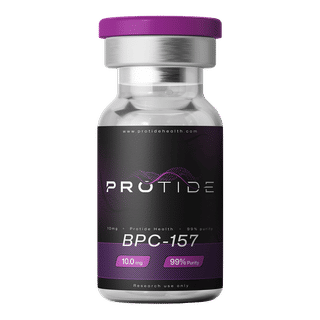
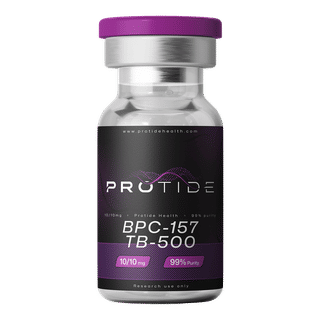
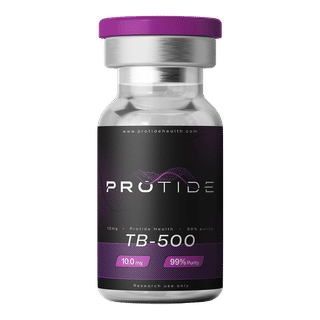
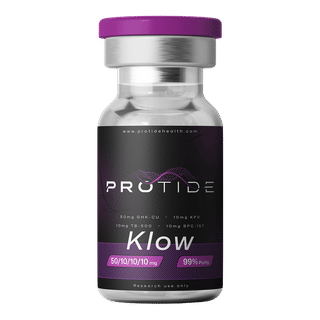
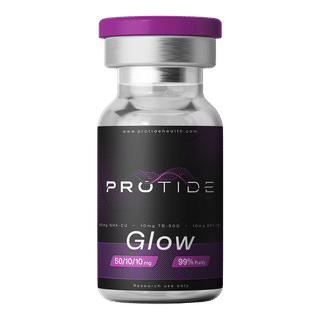
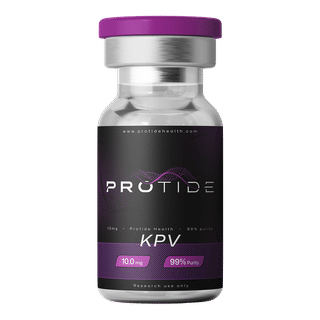
BPC-157 is distinguished by its gastric stability and GI-protective effects, while TB-500 is more frequently studied in cardiac tissue repair models. Both peptides also appear together inside multi-component research blends, where the choice between formulations often comes down to a single added component, as the KLOW vs GLOW comparison illustrates. Some preclinical research has examined the two peptides in combination, and Protide Health carries a BPC-157 and TB-500 blend for research applications. Researchers can also find standalone BPC-157 for individual study protocols.

Regulatory Status and Safety Considerations
BPC-157 occupies a complex regulatory position. In 2023, the FDA designated BPC-157 as a Category 2 bulk drug substance, meaning it cannot be compounded by 503A-licensed pharmacies due to insufficient safety data for human use. The peptide is not approved for clinical use by any major regulatory agency worldwide.
The World Anti-Doping Agency (WADA) classifies BPC-157 as a prohibited S0 substance (non-approved substances). Athletes subject to WADA testing should be aware of this classification.
Despite these restrictions, BPC-157 products remain available as research chemicals through various suppliers. This regulatory gap means product quality, purity, and accurate labeling are not assured by any oversight body. Third-party testing certificates of analysis (COAs) are the primary quality assurance mechanism available to researchers.
Known safety profile from preclinical data:
Across hundreds of published studies in rodent models, BPC-157 has demonstrated a favorable safety profile with no reported lethal dose. The 2025 human IV safety study found no adverse events at doses up to 20 mg. However, the extremely limited human data means the full side-effect profile remains unknown, and long-term safety has not been established in any species.
Frequently Asked Questions
What does BPC-157 do in the body?
BPC-157 activates multiple repair pathways simultaneously, primarily through VEGF-mediated angiogenesis (new blood vessel formation), nitric oxide system modulation, and growth factor receptor upregulation. In preclinical models, these mechanisms have been associated with accelerated healing across gastrointestinal, musculoskeletal, and neural tissues. The peptide also reduces pro-inflammatory cytokines including IL-6 and TNF-alpha.
Is BPC-157 safe?
Preclinical data across hundreds of rodent studies show a favorable safety profile with no established lethal dose. The only human IV safety study (Lee and Burgess, 2025) found no adverse events at doses up to 20 mg. However, long-term human safety data does not exist, and BPC-157 is not approved for clinical use. The FDA's Category 2 designation reflects insufficient evidence to confirm safety for human compounding.
How long does BPC-157 take to work?
In preclinical studies, effects vary by injury model. Tendon healing studies typically show measurable improvements in biomechanical strength within 7 to 14 days of daily administration. Gastric ulcer models have shown accelerated healing within days. The peptide has a short half-life in plasma (studies in rats indicate 7.9 to 30 minutes), which is why published protocols typically use daily or twice-daily dosing over multi-week periods.
Can BPC-157 be taken orally?
Shop research peptides
Live pricing from our top-rated vendor. Prices update as vendor listings change.
BPC-157 is unusually stable in gastric acid, which differentiates it from most peptides. Oral administration has been studied primarily in gastrointestinal models, where it demonstrated protective and healing effects. However, bioavailability through the oral route is generally lower than injection for systemic effects. The peptide reconstitution guide covers preparation methods for research applications.
What is the difference between BPC-157 and TB-500?
BPC-157 is a 15-amino acid peptide derived from gastric juice, primarily studied for GI protection, tendon repair, and neuroprotection through VEGF/NO pathways. TB-500 is a 43-amino acid fragment of Thymosin Beta-4, studied for cardiac repair and wound healing through actin regulation and cell migration. BPC-157 is acid-stable and has been studied orally; TB-500 requires injection. Both are used in tissue repair research but through distinct mechanisms.
Is BPC-157 FDA approved?
No. BPC-157 is not approved for human clinical use by the FDA or any other regulatory agency. In 2023, the FDA classified it as a Category 2 bulk drug substance, prohibiting its compounding by licensed pharmacies. It remains available as a research chemical but is not regulated for quality or safety in that capacity.
References
Józwiak M, et al. "Multifunctionality and Possible Medical Application of the BPC 157 Peptide: Literature and Patent Review." Pharmaceuticals, 18(2):185, 2025. PMC11859134
McGuire FP, et al. "Regeneration or Risk? A Narrative Review of BPC-157 for Musculoskeletal Healing." Curr Rev Musculoskelet Med, 2025. PMC12446177
"Emerging Use of BPC-157 in Orthopaedic Sports Medicine: A Systematic Review." HSS Journal, 2024. PMC12313605
Sikiric P, et al. "BPC 157 Therapy: Targeting Angiogenesis and Nitric Oxide." Pharmaceuticals, 2025. PMC12567428
Hsieh MJ, et al. "The promoting effect of pentadecapeptide BPC 157 on tendon healing involves tendon outgrowth, cell survival, and cell migration." J Orthop Res, 29(6):862-8, 2011. PubMed 21030672
Chang CH, et al. "Pentadecapeptide BPC 157 Enhances the Growth Hormone Receptor Expression in Tendon Fibroblasts." Molecules, 23(7):1733, 2018. PMC6271067
Hsieh MJ, et al. "Modulatory effects of BPC 157 on vasomotor tone and the activation of Src-Caveolin-1-endothelial nitric oxide synthase pathway." J Mol Med, 98:1361-1373, 2020. PMC7555539
Sikiric P, et al. "Pentadecapeptide BPC 157 and the central nervous system." Neural Regen Res, 17(3):482-487, 2022. PMC8504390
Lee E, Burgess DJ. "Safety of Intravenous Infusion of BPC157 in Humans: A Pilot Study." 2025. PubMed 40131143
Sikiric P, et al. "Stable Gastric Pentadecapeptide BPC 157 and Wound Healing." Curr Pharm Des, 2018. PMC8275860
Seiwerth S, et al. "Novel Therapeutic Effects in Rat Spinal Cord Injuries: Recovery by BPC 157 Therapy." Curr Neuropharmacol, 20(7):1313-1330, 2022. PMC9164058
Stupnisek M, et al. "The effect of pentadecapeptide BPC 157 on hippocampal ischemia/reperfusion injuries in rats." Brain Behav, 10(8):e01726, 2020. PMC7428500
Staresinic M, et al. "Gastric pentadecapeptide BPC 157 accelerates healing of transected rat Achilles tendon and in vitro stimulates tendocytes growth." J Orthop Res, 21(6):976-983, 2003. PubMed 14554208
The Current State of BPC-157 Research
BPC-157 remains one of the most extensively studied peptides in preclinical research, with published data spanning gastrointestinal protection, musculoskeletal repair, neuroprotection, and cardiovascular effects. The 2024 systematic review confirmed positive outcomes across 36 studies, and 2025 publications continue to expand the understanding of its molecular mechanisms, particularly the dual VEGF-dependent and VEGF-independent pathways to nitric oxide production.
The critical gap in BPC-157 research is human clinical data. With only three pilot studies in humans and no controlled clinical trials, the translation from preclinical promise to confirmed clinical application remains incomplete. Researchers and clinicians should weigh the extensive animal data against this significant limitation when evaluating the peptide's potential.
For researchers sourcing BPC-157 for study protocols, third-party tested options are available through Protide Health's research catalog. Peptide Mind's peptide storage guide covers proper handling to maintain compound integrity.
Disclaimer: The information provided on Peptide Mind is for educational purposes only and is not a substitute for professional medical advice. The FDA has not evaluated these statements, and nothing on this site is intended to diagnose, treat, cure, or prevent any disease. By accessing this site, you confirm you are over the age of 21, waive any claims or liability arising from the use of the content portrayed.
Add a comment
This will be publicly visible.
Your email address will not be published.
Your comment will be reviewed by an admin before it is published.