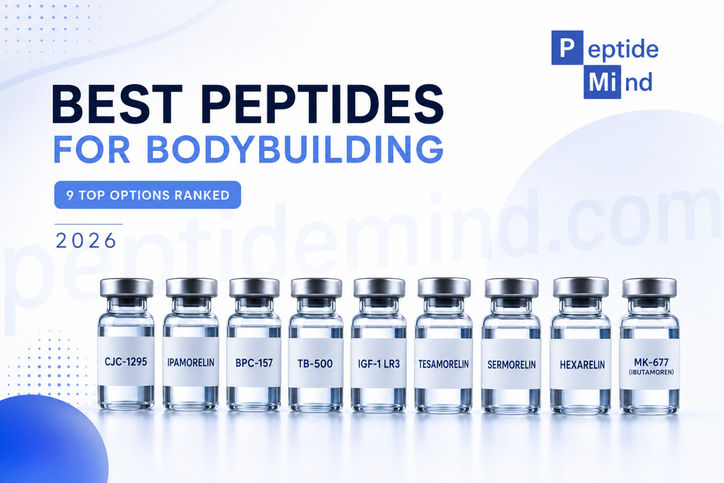
What Are Peptides Used For? Benefits and Research Guide (2026)
Peptides are studied for tissue repair, skin health, metabolism, cognition, and longevity. Research-backed guide covering peptide benefits, uses, and key studies.


Peptides are used for a growing range of research applications, from tissue repair and skin biology to metabolic regulation and neurological function. These short chains of amino acids, typically between 2 and 50 residues, act as signaling molecules that interact with specific receptors to influence biological processes. With over 80 FDA-approved peptide therapeutics on the market and a global research pipeline expanding rapidly, peptide science has become one of the most active areas of biomedical investigation in 2026.
This guide covers the major research domains where peptides have been studied, what the published evidence shows, and why these molecules continue to attract scientific attention.

How Peptides Function in Biological Systems
Peptides exert their effects primarily through receptor-mediated signaling. When a peptide binds to its target receptor on a cell surface, it triggers intracellular cascades that can alter gene expression, enzyme activity, or cellular behavior. This mechanism is well-documented across multiple peptide classes in the pharmacological literature.
Three primary mechanisms define how peptides interact with biological systems:
Receptor agonism: Peptides mimic endogenous signaling molecules to activate specific pathways. Growth hormone-releasing peptides, for example, bind ghrelin receptors to stimulate pituitary activity.
Enzyme modulation: Some peptides inhibit or promote enzymatic reactions. ACE-inhibitory peptides, first isolated from snake venom, led to an entire pharmaceutical class for cardiovascular research.
Membrane disruption: Antimicrobial peptides interact directly with bacterial cell membranes through electrostatic forces, a mechanism also studied in anti-cancer peptide research.
Understanding these mechanisms provides the foundation for why peptides are studied across such diverse research areas.
Peptides Studied for Tissue Repair and Recovery
Tissue repair is one of the most extensively studied applications of peptides in preclinical research. Two peptides dominate this area: BPC-157 and thymosin beta-4 (TB-500).
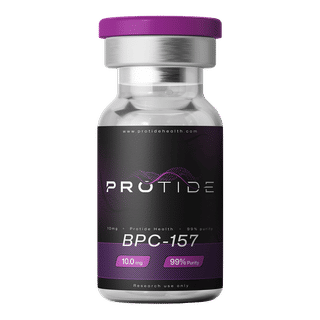
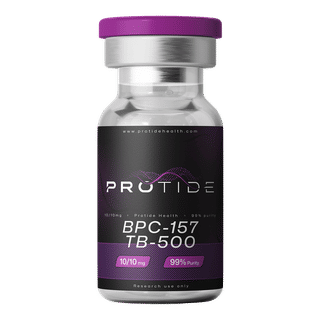
BPC-157 is a synthetic 15-amino acid peptide derived from human gastric juice protein. A 2021 review documented that BPC-157 administration in rat models was associated with measurable changes in tissue repair biomarkers across incisional wounds, deep burns, and diabetic ulcer models. Separately, a 2025 review in Pharmaceutics cataloged over 100 published studies examining BPC-157's preclinical properties across multiple organ systems.
In rodent wound models, thymosin beta-4 administration increased reepithelialization by 42% over saline controls at day 4, reaching 61% at day 7, according to research published in the Journal of Investigative Dermatology.
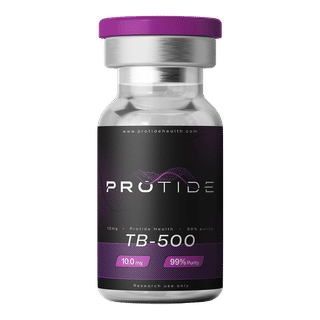
Thymosin beta-4 (TB-500) is a 43-amino acid peptide involved in actin regulation and cell migration. Beyond wound models, a later review confirmed that TB-500 accelerated dermal healing across steroid-treated rats, diabetic mice, and aged mice. These findings remain preclinical and require validation through controlled human studies.
Researchers can explore tissue repair peptides in detail on the Peptide Mind injury recovery guide or the BPC-157 research profile.

Peptides in Skin and Connective Tissue Research
Collagen peptides, copper peptides, and signal peptides have generated a substantial body of research related to skin biology and connective tissue remodeling.
GHK-Cu (copper peptide) is a naturally occurring tripeptide first identified in human plasma in the 1970s. A 2018 study published in International Journal of Molecular Sciences found that GHK-Cu is capable of modulating the expression of over 4,000 human genes, with particular relevance to tissue remodeling and antioxidant pathways. Earlier laboratory work showed that GHK-Cu stimulated collagen synthesis in fibroblast cultures at concentrations as low as 10^-12 M.
Collagen peptides have been studied for their effects on skin hydration and elasticity. A 2022 systematic review in International Journal of Dermatology found that oral collagen supplementation significantly improved skin hydration, elasticity, and wrinkle appearance across multiple randomized controlled trials, making this one of the few peptide categories with human clinical data.
A 2025 review of 102 commercially available cosmetic peptides categorized their mechanisms as collagen signaling, pigmentation modulation, microbiome support, and neurotransmitter inhibition, reflecting the breadth of current skin-related peptide research.
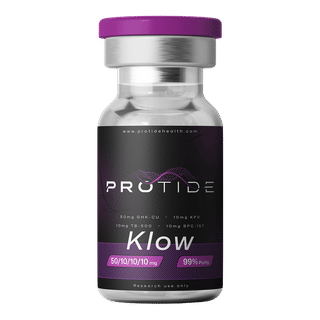
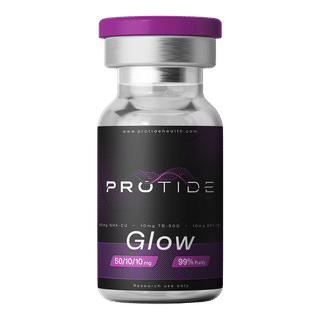
Shop research peptides
Live pricing from our top-rated vendor. Prices update as vendor listings change.
Peptide | Type | Primary Skin Research Area | Key Finding |
|---|---|---|---|
GHK-Cu | Copper tripeptide | Collagen synthesis, gene modulation | Modulates 4,000+ genes related to tissue remodeling |
Collagen peptides | Bioactive fragments | Hydration, elasticity | Improved skin parameters in human RCTs |
Signal peptides | Synthetic | Fibroblast stimulation | Increase collagen and fibronectin production in vitro |
Neurotransmitter peptides | Synthetic | Expression line reduction | Inhibit acetylcholine release at neuromuscular junction |
Protide Health carries GHK-Cu copper peptide for research applications.
Peptides in Metabolic and Weight Management Research
Peptide research in metabolic regulation has expanded significantly, driven by interest in GLP-1 receptor agonists and related compounds.
GLP-1 receptor agonists are among the most studied peptide classes in metabolic research. These peptides mimic the incretin hormone GLP-1, which plays a central role in glucose homeostasis and appetite signaling. The pharmaceutical development of GLP-1 based therapies has produced some of the most commercially significant drugs in recent history, with multiple FDA-approved compounds now available for metabolic indications.
Beyond GLP-1, several other peptides are studied in metabolic contexts:
AOD-9604 is a modified fragment (amino acids 176-191) of human growth hormone studied for its interaction with fat metabolism pathways without affecting IGF-1 levels or glucose tolerance.
5-Amino-1MQ is a small molecule peptide studied for its role in inhibiting NNMT (nicotinamide N-methyltransferase), an enzyme linked to adipose tissue metabolism in preclinical models.
MOTS-c is a mitochondrial-derived peptide studied for its effects on metabolic homeostasis and insulin sensitivity in mouse models of diet-induced obesity.
A 2024 review of anti-obesity bioactive peptides described how peptides from both endogenous and food-derived sources interact with satiety signaling, lipid metabolism, and glucose regulation pathways, positioning peptides as a growing area of metabolic research.
Peptides in Cognitive and Neurological Research
Several peptides have been studied for their interaction with neurological pathways, including neuroprotection, cognitive function, and neurotransmitter modulation.
Semax is a synthetic heptapeptide based on a fragment of adrenocorticotropic hormone (ACTH 4-10). Originally developed at the Institute of Molecular Genetics in Moscow, Semax has been studied in animal models for its effects on BDNF expression and neurotrophin signaling. Research has examined its interaction with cognitive pathways under conditions of ischemic stress in rodent models.
Selank is a synthetic peptide based on the immunomodulatory peptide tuftsin, studied for its interaction with anxiety-related and cognitive pathways in preclinical models. Together, Semax and Selank anchor what's classified as the nootropic peptide category — compounds studied for cognitive effects rather than metabolic or hormonal ones.
Dihexa is a hexapeptide studied for its effects on hepatocyte growth factor (HGF) signaling, with preclinical data suggesting interaction with synaptic connectivity pathways at picomolar concentrations in animal models.

Peptide Mind covers individual research profiles for Semax, Selank, and other neuropeptides, with links to published studies and dosage data referenced in the literature.
Peptides in Immune Function and Longevity Research
Immune modulation and aging represent two additional research frontiers for peptide science.
Thymosin alpha-1 is a 28-amino acid peptide originally isolated from thymic tissue. It has been studied for its effects on T-cell maturation and immune surveillance, with clinical use in several countries for hepatitis B and as an immune adjuvant. Published data covers its interaction with dendritic cell activation and Th1/Th2 immune balance in both preclinical and clinical settings.
Epithalon (Epitalon) is a synthetic tetrapeptide studied for its interaction with telomerase activity. Research by Khavinson et al. at the St. Petersburg Institute of Bioregulation and Gerontology examined epithalon's effects on telomere length maintenance in human cell cultures, reporting activation of telomerase in somatic cells. These findings are preliminary and from in vitro models.
LL-37 is a 37-amino acid cathelicidin antimicrobial peptide produced by the human immune system. It has been studied for broad-spectrum antimicrobial activity and immunomodulatory properties, including interaction with inflammatory pathways and wound repair signaling.
Shop research peptides
Live pricing from our top-rated vendor. Prices update as vendor listings change.
Research Domain | Key Peptides | Research Stage | Primary Models |
|---|---|---|---|
Tissue repair | BPC-157, TB-500 | Preclinical | Rodent wound, burn, tendon models |
Skin biology | GHK-Cu, collagen peptides | Preclinical + clinical | Fibroblast cultures, human RCTs |
Metabolic regulation | GLP-1 agonists, AOD-9604, MOTS-c | Preclinical + clinical | Obesity and diabetes models |
Cognitive function | Semax, Selank, Dihexa | Preclinical | Rodent ischemia, cognition models |
Immune modulation | Thymosin alpha-1, LL-37 | Preclinical + clinical | Immune cell cultures, infection models |
Longevity | Epithalon, MOTS-c | Preclinical | Cell cultures, aged animal models |
The Peptide Therapeutics Pipeline in 2026
The pharmaceutical landscape for peptides continues to expand. A 2024 compilation in Nucleic Acids Research cataloged 85 FDA-approved peptide and polypeptide therapeutics spanning cardiovascular, oncological, metabolic, and rare disease categories.
In 2025, the FDA approved elamipretide (Forzinitytm), a small linear peptide representing the first therapy for Barth syndrome, a rare genetic disorder affecting mitochondrial function. This approval brought the total number of marketed peptide therapeutics to approximately 130.
A 2025 review in Nature Reviews Chemistry outlined how chemical approaches are transforming peptide lead compounds into viable therapeutics through stapled peptides, cyclic structures, and peptide-drug conjugates that address historical limitations around oral bioavailability and metabolic stability.

For researchers working with peptides, proper handling is essential. Peptide Mind's reconstitution guide and storage guide cover protocols grounded in published stability data. The peptide dosage calculator provides concentration reference tools for research applications.
Frequently Asked Questions
What are peptides used for in research?
Peptides are studied across tissue repair, skin biology, metabolic regulation, cognitive function, immune modulation, and longevity research. Their small size, high receptor specificity, and predictable metabolism make them useful research tools for investigating specific biological pathways. Over 80 peptide-based drugs have been approved by the FDA for clinical use, and hundreds more are in preclinical investigation.
What is the risk of taking peptides?
Research peptides carry risks that vary by compound, purity, and context. A PubMed review documented that peptide hormone misuse can be associated with motor paralysis, skeletal muscle changes, and metabolic disruption in certain contexts. Purity, storage conditions, and reconstitution methods all influence outcomes. Most safety data for non-FDA-approved research peptides comes from animal models, and extrapolation to humans requires caution.
What foods are high in peptides?
Bioactive peptides are found in a range of dietary proteins. A PMC review documented that the most widely used sources include eggs, milk (casein and whey), meat proteins, soy, oats, pulses, and hemp seed. These food-derived peptides are released during digestion or fermentation and have been studied for antioxidant, antihypertensive, and antimicrobial properties.
What are examples of commonly studied peptides?
BPC-157 (tissue repair), TB-500 (wound healing), GHK-Cu (skin and gene modulation), Semax (neuroprotection), thymosin alpha-1 (immune function), and GLP-1 receptor agonists (metabolic regulation) are among the most frequently cited in the research literature. Each has a distinct mechanism and research profile, ranging from early preclinical to FDA-approved clinical use.
Are peptides the same as steroids?
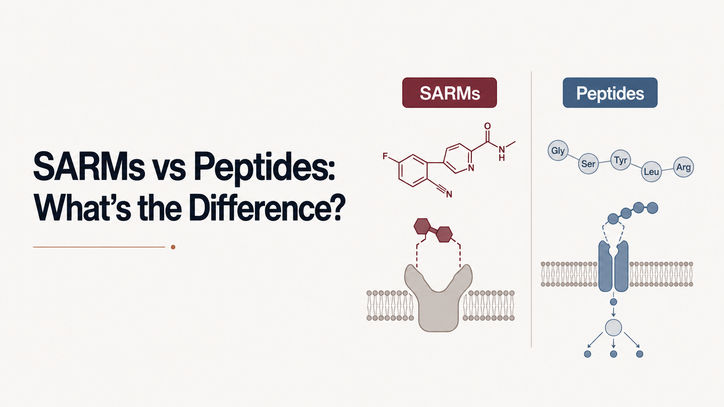
No. Peptides are short chains of amino acids that primarily act through cell surface receptor binding. Steroids are lipid-derived molecules with a four-ring carbon structure that bind intracellular nuclear receptors. Their chemical structures, mechanisms of action, and regulatory classifications are fundamentally different. Peptides are also distinct from SARMs (selective androgen receptor modulators), which are non-steroidal small molecules.
How are research peptides stored?
Lyophilized peptides are typically stored at -20°C or lower to maintain stability. Reconstituted peptides should be refrigerated at 2-8°C and used within a defined timeframe. Peptide Mind's storage guide covers temperature protocols, degradation pathways, and shelf life data from published stability research. Proper handling with bacteriostatic water is standard practice in research settings.
Shop research peptides
Live pricing from our top-rated vendor. Prices update as vendor listings change.
References
Zaidi SS, Bhatti AA. "FDA's stamp of approval: Unveiling peptide breakthroughs in cardiovascular diseases, ACE, HIV, CNS, and beyond." European Journal of Medicinal Chemistry, 2024. PubMed
Lopez MJ, Mohiuddin SS. "Biochemistry, Peptide." StatPearls, 2023. PubMed
Xia X, et al. "Anti-cancer peptides: classification, mechanism of action, reconstruction and modification." Open Biology, 2020. PubMed
Gwyer D, et al. "Stable Gastric Pentadecapeptide BPC 157 and Wound Healing." Current Pharmaceutical Design, 2021. PubMed
Sikiric P, et al. "Multifunctionality and Possible Medical Application of the BPC 157 Peptide." Pharmaceutics, 2025. PubMed
Malinda KM, et al. "Thymosin beta4 accelerates wound healing." Journal of Investigative Dermatology, 1999. PubMed
Philp D, et al. "Thymosin beta4 accelerates dermal healing in preclinical animal models." Annals of the New York Academy of Sciences, 2012. PubMed
Pickart L, Margolina A. "Regenerative and Protective Actions of the GHK-Cu Peptide in the Light of the New Gene Data." International Journal of Molecular Sciences, 2018. PubMed
Maquart FX, et al. "Stimulation of collagen synthesis in fibroblast cultures by the tripeptide-copper complex." FEBS Letters, 1988. PubMed
Pintea A, et al. "Peptides: Emerging Candidates for the Prevention and Treatment of Skin Senescence." Molecules, 2025. PubMed
Lee C, et al. "The mitochondrial-derived peptide MOTS-c promotes metabolic homeostasis." Cell Metabolism, 2015. PubMed
Bariwal J, et al. "Anti-obesity and anti-diabetic bioactive peptides: sources, properties, and challenges." Critical Reviews in Food Science and Nutrition, 2024. PubMed
Usmani SS, et al. "THPdb2: compilation of FDA approved therapeutic peptides and proteins." Nucleic Acids Research, 2024. PubMed
Al Musaimi O. "2025 FDA TIDES (Peptides and Oligonucleotides) Harvest." Pharmaceuticals, 2025. PMC
Muttenthaler M, et al. "From lead to market: chemical approaches to transform peptides into therapeutics." Nature Reviews Chemistry, 2025. PubMed
Khavinson V, et al. "Peptide promotes telomere elongation in human cells." Bulletin of Experimental Biology and Medicine, 2003. PubMed
Tuthill C, et al. "Thymosin alpha 1: past clinical experience and future promise." Annals of the New York Academy of Sciences, 2007. PubMed
Agasse F, et al. "Neuropeptides as neuroprotective agents: ACTH(4-10) analogues." Neuroscience Research, 2006. PubMed
McCoy AT, et al. "Dihexa as a hepatocyte growth factor mimetic." Journal of Pharmacology and Experimental Therapeutics, 2013. PubMed
The Expanding Scope of Peptide Research
Peptide science spans an increasingly broad range of biomedical disciplines, from wound biology and dermatology to metabolic regulation and neuroscience. The combination of high receptor specificity, predictable metabolism, and growing pharmaceutical validation makes peptides one of the most promising molecule classes in current research. For those exploring specific peptides, Peptide Mind's research profiles cover individual compounds with published data and citations.
Add a comment
This will be publicly visible.
Your email address will not be published.
Your comment will be reviewed by an admin before it is published.