Reviewed by the PeptideMind Team · Updated August 5, 2026
BPC-157 Peptide Dosage Calculator, Benefits & Side Effects
Use our free BPC-157 peptide dosage calculator to find your dose, plus injection protocols and research on tendon, gut, and muscle repair benefits and side effects to know before you start.
As seen on






BPC-157 Dosage Schedule
Injected subcutaneously in the abdomen or thigh for general gut, tendon, and connective-tissue support rather than one specific injury
Systemic / General Healing Protocol
8 weeks, focused on healing and recovery.
5 days per week
Taken Monday through Friday in the morning.
250 mcg per injection
250 mcg per injection, given just under the skin in the abdomen or thigh.
BPC-157 is a peptide known for helping the body heal tissue faster. For general/systemic use it's commonly run on weekdays only (Monday-Friday) with weekends off, to reduce the chance of receptor desensitization from continuous daily dosing.
What is BPC-157?
BPC-157 is a peptide based on a natural, protective substance found in the stomach, and it's one of the most widely used research peptides for healing. It works by boosting blood vessel growth and supporting the body's natural repair signals, which is why it's popular for helping injuries like pulled muscles, sprained ligaments, and tendon problems heal faster. It's also studied for gut health, and is commonly used by athletes and in injury-recovery research, though it isn't an approved medication.
Healing
bpc
Longevity
Where to buy BPC-157
Compare real-time BPC-157 prices from vendors with third-party lab testing (COA), purity, and legitimacy, so you know exactly who's trustworthy before you buy.
Dose size
Chosen on COA purity, third-party testing, and service, no paid placements.

11 of 13 vendors third-party tested, COA purity 99.18–100% across published labs. Prices re-checked 63 days ago.
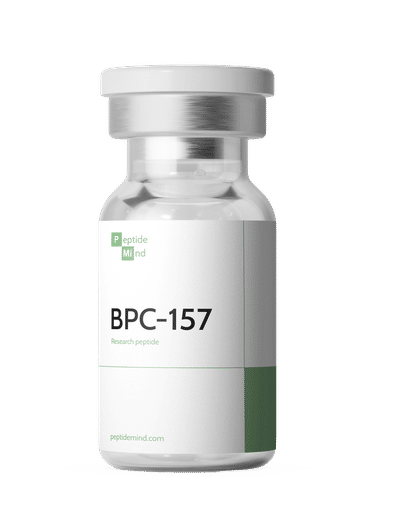
What Does BPC-157 Do?
It switches on signals that trigger new blood vessel growth and nitric oxide production, both of which are essential for healing. It also activates pathways that encourage the cells responsible for repairing tissue to multiply and migrate to the site of injury, and it makes tendon tissue more responsive to the body's own growth hormone.
Triggers blood vessel growth
Switches on signals for new blood vessels and nitric oxide, both key to healing.
Recruits repair cells
Activates pathways that help repair cells multiply and migrate to the injury.
Boosts GH response
Makes tendon tissue more responsive to the body's own growth hormone.
BPC-157 Targeted areas
Frequently Asked Questions About BPC-157
Straight answers on reconstitution, dosing, and safety, everything you need to research with confidence. For research reference only.
BPC-157 Reconstitution Guide
BPC-157 is supplied as a freeze-dried powder that must be mixed into a injectable solution before use. Available in 5mg, 10mg sizes.
10 mg lyophilized vial
BPC-157 is supplied as a freeze-dried powder that must be mixed into a injectable solution before use. Available in 5mg, 10mg sizes.
3 mL bacteriostatic water
Adding 3 mL of bac water to a 10 mg vial gives a workable concentration for syringe dosing. More water makes microdosing easier; less concentrates each draw.
Storage after mixing
The dry powder keeps in the freezer for up to 2–3 years. Once mixed with bacteriostatic water, refrigerate it and use within about a month, and try not to freeze and thaw it repeatedly. After reconstitution, keep the vial refrigerated and use within 30 days.
Reconstitution steps
Remove caps & sanitize stoppers
Attach needle to syringe
Draw 3 mL bacteriostatic water
Insert needle into BPC-157 vial
Release water gently down the side
Swirl to dissolve — don't shake
Check for full dissolution
Refrigerate BPC-157 — good for 30 days
Chemical Makeup
15
Amino Acids
BPC-157
Gly
GPosition 1
Glu
EPosition 2
Pro
PPosition 3
Pro
PPosition 4
Pro
PPosition 5
Gly
GPosition 6
Lys
KPosition 7
Pro
PPosition 8
Ala
APosition 9
Asp
DPosition 10
Asp
DPosition 11
Ala
APosition 12
Gly
GPosition 13
Leu
LPosition 14
Val
VPosition 15
What Are the Benefits of BPC-157?
What research says it may help with, and how it works in the body.
wound healing
Speeds up healing and shortens recovery time after crush injuries or surgery, working directly at the site of the damaged tissue.
Encourages new blood vessels to form and improves blood flow to tissue, when delivered directly to the area.
Helps tendons heal into bone faster and makes the repaired tissue stronger and more functional. It works best when injected directly at the injury site.
neurological
In animal studies, it protected brain cells from toxic substances and from damage caused by reduced blood flow to the brain, as happens in a stroke.
In studies on spinal cord injuries, it helped animals recover function better and reduced the amount of tissue damage.
Helps nerves outside the brain and spinal cord regrow and regain function after being injured.
gastrointestinal
Speeds up healing of the intestines and lowers markers of inflammation in studies modeling inflammatory bowel disease.
Strengthens the protective lining of the gut and speeds up the regrowth of the surface cells that make up that lining.
Helps protect the stomach and the first part of the small intestine from ulcers by shielding the cells that line these organs.
What Are the Side Effects of BPC-157?
Who should avoid it, warning signs to watch for, and what to know before combining it with other compounds.
Who Should Avoid It
Active cancer (due to angiogenic effects)
Pregnancy or breastfeeding
Blood thinners (consult doctor due to angiogenesis)
WADA prohibited for competitive athletes
Stop Right Away If You Notice
Persistent injection site reactions or infection signs
Unusual swelling or rash around injection area
Severe headaches or dizziness
Allergic reactions
Persistent or worsening digestive issues
Milder Signs to Watch For
Is BPC-157 FDA approved?
BPC-157 is not an FDA-approved drug. It is intended for research purposes only and is not approved for human consumption, diagnostic, or therapeutic use.
Research Use Only
BPC-157 has not been evaluated by the FDA for safety or efficacy in humans.
No Clinical Oversight
Not manufactured under FDA-regulated quality or clinical standards.
Unregulated Sourcing
Purity, dosing, and sourcing are not verified through FDA testing or oversight.

BPC-157 Cycle Length: How Long Should It Last?
This breaks down how long a typical BPC-157 cycle runs and what research suggests happens at each stage. Research shows that staying on a peptide continuously, without a break, may make it less effective over time.
That's why most research protocols build in a break between cycles, often called a washout period, to let the body reset before starting again.
- Week 1-2
- Reduced inflammation and pain at injection site
- Week 2-4
- Improved healing rate and tissue repair
- Week 4-8
- Maximum localized healing benefits
BPC-157 Research References
It is a preclinical compound
BPC-157
BPC-157 is a preclinical compound
Accelerated quadriceps healing with improved histology, reduced inflammation, and restored function in rat models.
2006
Significant functional recovery, reduced tissue damage, and improved neurological outcomes in rat models.
2019
Cytoprotective effects against gastric ulcers through multiple protective mechanisms.
2020
Pro-angiogenic effects via VEGFR2 activation, explaining wound healing mechanisms.
2017
No serious adverse effects at therapeutic doses up to 1000 μg/kg for 90 days; established safety profile.
2020
Superior tendon healing with improved biomechanical properties and enhanced tendon-to-bone integration in rat models.
2003
Browse user-created protocols
Real protocols from the community that include BPC-157
Healing
bpc
Healing
tb5
Weight
GLP-3
Healing
kpv
Healing
bpc