What Are Peptides? Beginner's Guide to Peptides (2026)
What are peptides and why are they studied? This research-backed guide covers peptide types, mechanisms of action, key research areas, and what the science says in 2026.

Peptides are short chains of amino acids, typically between 2 and 50 residues in length, that serve as signaling molecules, structural components, and regulatory agents across nearly every biological system. With more than 80 peptide-based compounds approved by the FDA and a global therapeutics market valued at over $46 billion in 2024, peptides have become one of the most actively studied classes of molecules in biomedical research. This guide covers what peptides are, how they function, the major categories researchers work with, and why peptide science continues to expand in 2026.
What Are Peptides and How Are They Defined?
Peptides are organic compounds formed when two or more amino acids link together through peptide bonds, a type of covalent bond created during a condensation reaction between the carboxyl group of one amino acid and the amino group of another. According to a foundational review in StatPearls Biochemistry, peptides are distinguished from proteins primarily by length: molecules with fewer than approximately 50 amino acid residues are generally classified as peptides, while longer chains are categorized as proteins.
This size distinction matters in research because peptides tend to exhibit different pharmacokinetic properties than larger proteins. Their smaller molecular weight allows for greater tissue penetration, more predictable folding patterns, and lower immunogenicity in preclinical models. These findings have contributed to growing research interest, though the precise cutoff between "peptide" and "protein" remains a topic of discussion in the scientific literature.
The human body naturally produces hundreds of endogenous peptides that regulate processes from blood pressure to immune response. Exogenous peptides, whether isolated from natural sources or synthesized in a laboratory, are the focus of most current preclinical and pharmaceutical research.
Types of Peptides: How Researchers Classify Them
Peptide classification varies depending on the framework being used. Researchers categorize peptides by length, origin, biological function, or mechanism of action. Understanding these categories provides context for the research literature.
By length:
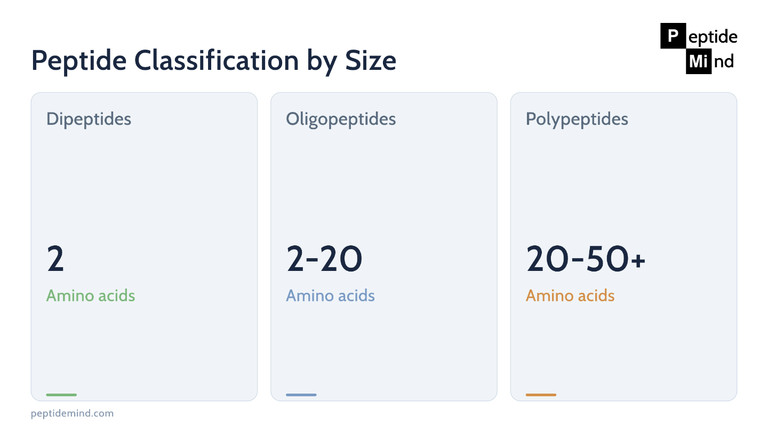
Classification | Amino Acid Count | Examples |
|---|---|---|
Dipeptides | 2 | Carnosine, anserine |
Oligopeptides | 2-20 | Oxytocin (9 aa), BPC-157 (15 aa) |
Polypeptides | 21-50+ | Insulin (51 aa), glucagon (29 aa) |
By origin:
Endogenous peptides are produced naturally within the body from protein precursors. These include neuropeptides like endorphins, hormonal peptides like insulin, and antimicrobial peptides like defensins. Exogenous peptides are either derived from dietary sources or synthesized for research and pharmaceutical applications.
By function:
Functional classification groups peptides by their primary area of biological activity: hormonal (insulin, oxytocin), antimicrobial (defensins, cathelicidins), neuropeptide (substance P, neuropeptide Y), opioid (enkephalins, endorphins), and signaling (growth factors, cytokines). A single peptide may span multiple functional categories depending on the tissue and context being studied.
How Do Peptides Work? Mechanisms of Action in Research
Peptides exert their biological effects primarily through receptor binding. When a peptide reaches its target cell, it binds to a specific receptor on the cell surface or, in some cases, to intracellular receptors. This binding triggers downstream signaling cascades that alter gene expression, enzyme activity, or cellular behavior.
Three key mechanisms are well-documented in the peptide research literature:
Receptor agonism and antagonism. Many peptides function by mimicking or blocking the action of endogenous signaling molecules. Growth hormone secretagogues, for example, bind to the ghrelin receptor (GHSR) to influence growth hormone release from the pituitary gland. Ipamorelin is one of the most studied peptides in this category. This receptor-mediated activity is a primary reason peptides are studied as research tools for understanding hormonal pathways.
Enzyme modulation. Some peptides interact with enzymes to either promote or inhibit catalytic activity. Angiotensin-converting enzyme (ACE) inhibitory peptides, originally identified from snake venom, led to an entire class of pharmaceutical compounds used in cardiovascular research.
Direct membrane interaction. Antimicrobial peptides (AMPs) can disrupt bacterial cell membranes through electrostatic interactions with the lipid bilayer. A review in the journal Molecules documented that anti-cancer peptides composed of 10 to 60 amino acids can inhibit tumor cell proliferation through similar membrane-disruptive mechanisms in preclinical models. These findings are from in vitro and animal studies and have not been fully validated in human clinical trials.
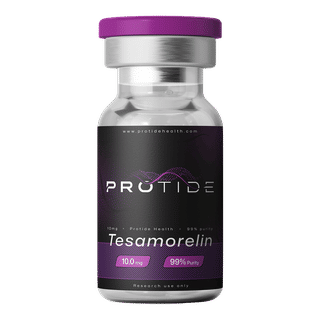
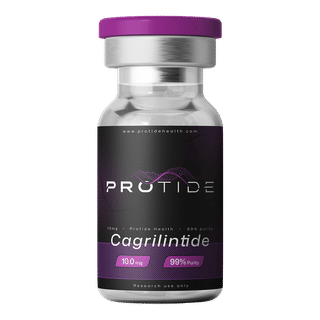
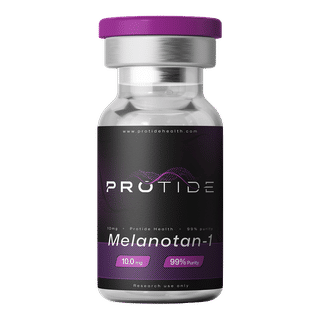
Shop research peptides
Live pricing from our top-rated vendor. Prices update as vendor listings change.
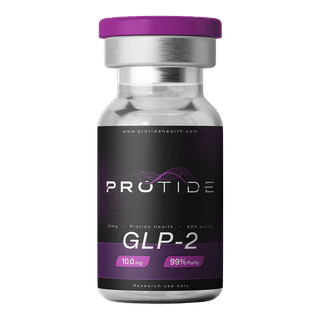
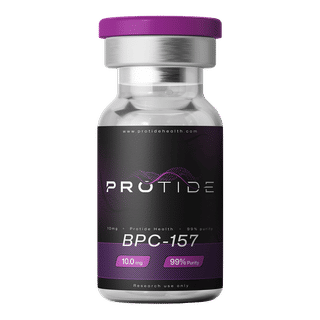
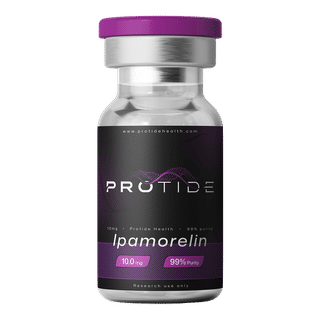
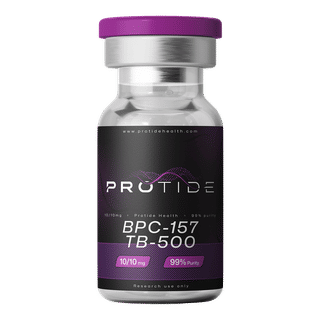
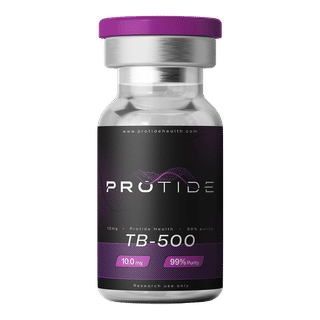
In a 2024 review, researchers documented that over 80 peptide-based drugs have received FDA approval across cardiovascular, oncological, metabolic, and infectious disease categories, with the highest approval rate occurring between 2020 and 2023. (PubMed)
Peptides Studied in Preclinical Research: Key Examples
Several peptides have generated substantial bodies of preclinical literature. While none of the research peptides discussed below have received regulatory approval for general applications, the published data provides insight into how peptides interact with biological systems under controlled conditions.
BPC-157 (Body Protection Compound)
BPC-157 is a synthetic 15-amino acid peptide derived from a segment of human gastric juice protein. It has been studied extensively in animal models for its interaction with gastrointestinal tissue, musculoskeletal structures, and vascular pathways. A comprehensive review published in Current Pharmaceutical Design described BPC-157 as a stable gastric pentadecapeptide with broad preclinical activity across multiple organ systems in rodent models.
A 2021 review focused on BPC-157 and wound-related research documented studies in which BPC-157 administration in rat models was associated with measurable changes in tissue repair biomarkers across incisional wounds, deep burns, and diabetic ulcer models. These results have not been replicated in controlled human clinical trials.
Researchers can explore BPC-157 research in greater detail on the Peptide Mind BPC-157 profile page.
Thymosin Beta-4 (TB-500)
Thymosin beta-4 is a 43-amino acid peptide involved in actin regulation and cell migration. It has been studied primarily for its interaction with wound-related and cardiovascular pathways. In a foundational study published in FASEB Journal, topical and intraperitoneal administration of thymosin beta-4 in rat models increased reepithelialization by 42% over saline controls at 4 days post-wounding, reaching 61% at 7 days. These results, while significant in the preclinical setting, require validation through larger-scale human studies.
A later review covering preclinical and early clinical data confirmed that thymosin beta-4 accelerated dermal healing across multiple animal models, including steroid-treated rats, diabetic mice, and aged mice. The peptide's mechanism of action involves promoting cell migration and stem cell mobilization, though the precise signaling pathways continue to be investigated.
Researchers interested in tissue-related peptide research can explore the Peptide Mind injury recovery guide.
GHK-Cu (Copper Peptide)
GHK-Cu is a naturally occurring tripeptide (glycyl-L-histidyl-L-lysine) bound to a copper ion. First identified in human plasma in the 1970s, GHK-Cu has been studied for its interaction with collagen synthesis pathways, gene expression, and connective tissue remodeling. A 2018 study published in BioMed Research International found that GHK-Cu is capable of modulating the expression of over 4,000 human genes, with particular relevance to genes associated with tissue remodeling and antioxidant responses.
Earlier laboratory work demonstrated that GHK-Cu stimulated collagen synthesis in fibroblast cultures at concentrations as low as 10^-12 M, with maximal response at 10^-9 M. In wound chamber studies, GHK-Cu produced concentration-dependent increases in collagen content that were twice the rate observed for non-collagen proteins. These findings come from in vitro and animal models and should be interpreted as preliminary.
Protide Health carries GHK-Cu copper peptide for research applications.

The Peptide Research Landscape in 2026
Peptide science is expanding rapidly. The global peptide therapeutics market reached an estimated $46 billion in 2024, with projections placing it between $80 and $87 billion by the mid-2030s. Several trends are driving this growth in the research community.
Increased FDA activity. A database compilation published in Nucleic Acids Research cataloged 85 FDA-approved peptide and polypeptide therapeutics as of 2024, spanning cardiovascular, oncological, metabolic, and rare disease categories. The pace of approvals accelerated between 2020 and 2023, reflecting growing pharmaceutical investment in peptide-based drug development.
Synthesis technology advances. A 2025 review in Nature Reviews Chemistry outlined how chemical approaches are transforming peptide lead compounds into viable therapeutics, including stapled peptides, cyclic peptides, and peptide-drug conjugates that address historical limitations around oral bioavailability and metabolic stability.
Shop research peptides
Live pricing from our top-rated vendor. Prices update as vendor listings change.
Regulatory evolution. The FDA and Health Canada have updated their frameworks around peptide classification. In the United States, certain research peptides were reclassified under the 2024 regulatory updates, changing how they are sourced and studied. These developments make staying current with the regulatory landscape essential for anyone involved in peptide research.
Peptide Research Safety: What the Published Data Shows
Safety is a primary consideration in peptide research, and the published literature provides a framework for evaluating risk profiles in preclinical settings.
Peptides generally exhibit several characteristics that distinguish them from small-molecule compounds in research contexts. According to a review of FDA-approved peptide clinical pharmacology data, peptides tend to show high target specificity, predictable metabolic degradation pathways, and lower accumulation potential compared to many traditional pharmaceutical compounds.
However, important caveats apply. Most safety data for research peptides (as opposed to FDA-approved peptide drugs) comes from animal models. Extrapolating preclinical safety profiles to broader contexts requires caution. Variables such as peptide purity, storage conditions, and reconstitution methods can all influence outcomes in a research setting. Further research, including controlled human studies, is needed to validate preclinical safety findings.
For researchers working with lyophilized peptides, proper reconstitution procedures and storage protocols directly affect compound integrity. The Peptide Mind dosage calculator provides concentration reference tools for research applications.
How Peptides Differ from Proteins, Steroids, and SARMs
A common point of confusion in early peptide research involves distinguishing peptides from related molecule classes. The differences are meaningful for research design and regulatory classification.
Characteristic | Peptides | Proteins | Steroids | SARMs |
|---|---|---|---|---|
Structure | 2-50 amino acids | 50+ amino acids | Four-ring carbon structure | Non-steroidal small molecules |
Molecular Weight | Typically < 5,000 Da | > 5,000 Da | 250-500 Da | 300-500 Da |
Mechanism | Receptor binding, signaling | Enzyme catalysis, structural | Nuclear receptor binding | Selective androgen receptor binding |
Regulation Status | Varies by compound | Varies by compound | Controlled substances | Not FDA-approved for any use |
Research Model | Preclinical and clinical | Extensive clinical | Extensive clinical | Limited preclinical |
Peptides are not steroids. They do not share the four-ring carbon backbone that defines steroidal compounds, and they interact with different receptor systems. Selective androgen receptor modulators (SARMs) are also chemically distinct, as they are non-steroidal small molecules designed to selectively bind androgen receptors.
Frequently Asked Questions
What are peptides made of?
Peptides are composed of amino acids linked by peptide bonds. The human body uses 20 standard amino acids to construct peptides, and the specific sequence of amino acids determines each peptide's structure and biological activity. According to the StatPearls biochemistry reference, peptides typically contain between 2 and 50 amino acid residues. While these building blocks are simple, the combinatorial possibilities allow for enormous structural diversity across the peptide landscape.
How do peptides differ from proteins?
The primary distinction is length: peptides generally contain fewer than 50 amino acids, while proteins contain more. This size difference affects folding complexity, receptor interactions, and pharmacokinetic behavior. Proteins often require complex tertiary and quaternary structures to function, while most peptides adopt simpler conformations. In research contexts, this makes peptides easier to synthesize and modify than full-length proteins. These structural differences also influence how each class is studied and applied in preclinical settings.
What are the most studied research peptides?
BPC-157, thymosin beta-4 (TB-500), and GHK-Cu are among the most frequently cited peptides in the preclinical research literature. BPC-157 has been studied for its interaction with gastrointestinal and musculoskeletal pathways in rodent models, with over 100 published studies examining its properties. Thymosin beta-4 has extensive wound-related research, and GHK-Cu has been studied for gene expression modulation. All three remain in the preclinical research stage, and their effects in humans are still being investigated.
Are peptides and steroids the same thing?
No. Peptides and steroids are chemically and functionally distinct. Peptides are chains of amino acids that act primarily through cell surface receptor binding. Steroids are lipid-derived molecules with a characteristic four-ring carbon structure that bind to intracellular nuclear receptors. Their regulatory classifications also differ significantly, as many steroids are controlled substances while most research peptides occupy a different regulatory category.
What does peptide research involve?
Shop research peptides
Live pricing from our top-rated vendor. Prices update as vendor listings change.
Peptide research spans a wide range of scientific disciplines, from molecular biology and pharmacology to materials science and drug development. In preclinical settings, researchers study how peptides interact with specific receptors, signaling pathways, and biological processes using cell cultures and animal models. Research also covers peptide synthesis methods, stability optimization, delivery mechanisms, and structure-activity relationships. The field has grown substantially, with the number of peptide-related publications increasing year over year.
How are research peptides stored and handled?
Lyophilized (freeze-dried) peptides are generally stored at -20°C or lower to preserve stability. Once reconstituted with bacteriostatic water or another appropriate solvent, peptides should be refrigerated at 2-8°C and used within a defined timeframe to minimize degradation. Proper storage and handling are essential research variables that directly affect experimental reproducibility. Peptide Mind's storage guide covers stability data and temperature recommendations in detail.
References
Zaidi SS, Bhatti AA. "FDA's stamp of approval: Unveiling peptide breakthroughs in cardiovascular diseases, ACE, HIV, CNS, and beyond." European Journal of Medicinal Chemistry, 2024. PubMed
Lopez MJ, Mohiuddin SS. "Biochemistry, Peptide." StatPearls, 2023. PubMed
Xia X, et al. "Anti-cancer peptides: classification, mechanism of action, reconstruction and modification." Open Biology, 2020. PubMed
Sikiric P, et al. "Stable gastric pentadecapeptide BPC 157 in the gastrointestinal tract." Current Pharmaceutical Design, 2011. PubMed
Gwyer D, et al. "Stable Gastric Pentadecapeptide BPC 157 and Wound Healing." Current Pharmaceutical Design, 2021. PubMed
Malinda KM, et al. "Thymosin beta4 accelerates wound healing." Journal of Investigative Dermatology, 1999. PubMed
Philp D, et al. "The regenerative peptide thymosin beta4 accelerates dermal healing in preclinical animal models." Annals of the New York Academy of Sciences, 2012. PubMed
Pickart L, Margolina A. "Regenerative and Protective Actions of the GHK-Cu Peptide in the Light of the New Gene Data." International Journal of Molecular Sciences, 2018. PubMed
Maquart FX, et al. "Stimulation of collagen synthesis in fibroblast cultures by the tripeptide-copper complex glycyl-L-histidyl-L-lysine-Cu2+." FEBS Letters, 1988. PubMed
Usmani SS, et al. "THPdb2: compilation of FDA approved therapeutic peptides and proteins." Nucleic Acids Research, 2024. PubMed
Muttenthaler M, et al. "From lead to market: chemical approaches to transform peptides into therapeutics." Nature Reviews Chemistry, 2025. PubMed
Sikiric P, et al. "Multifunctionality and Possible Medical Application of the BPC 157 Peptide." Pharmaceutics, 2025. PubMed
US FDA. "Review of Clinical Pharmacology Information for Peptides Found in US FDA Drug Labeling." Clinical Pharmacology and Therapeutics, 2025. PubMed
The Growing Significance of Peptide Research
Peptide science sits at an inflection point. With an expanding base of preclinical data, accelerating pharmaceutical investment, and evolving regulatory frameworks, peptides represent one of the most dynamic areas of biomedical investigation in 2026. For researchers and those new to the field, understanding what peptides are, how they function, and where the evidence currently stands provides a strong foundation for engaging with the growing body of published literature. Peptide Mind's research profiles and dosage calculator offer additional tools for exploring specific peptides and their published research data.
Research Disclaimer: The information presented in this article is for educational and research purposes only. Peptide Mind provides evidence-based research summaries and does not offer medical advice, diagnosis, or treatment recommendations. All peptides discussed are intended for in vitro and preclinical research use only. Consult a qualified healthcare professional before making any health-related decisions. The research cited may not reflect the full body of available evidence, and findings from preclinical studies may not translate to human outcomes.
Add a comment
This will be publicly visible.
Your email address will not be published.
Your comment will be reviewed by an admin before it is published.