Best Peptides for Injury Recovery: Research Guide (2026)
BPC-157, TB-500, GHK-Cu, and other peptides studied for injury recovery in preclinical research. Evidence-based guide with PubMed citations and comparison data.


Peptides studied for injury recovery have become one of the most active areas of preclinical musculoskeletal research, with compounds like BPC-157, TB-500, and GHK-Cu generating consistent data across tendon, ligament, and soft tissue models. This guide examines the published evidence behind each peptide, the mechanisms researchers have identified, and how these compounds compare in laboratory settings as of 2026.
Which Peptides Have Been Studied for Injury Recovery?
Five peptides dominate the preclinical literature on tissue repair and musculoskeletal regeneration: BPC-157, TB-500 (Thymosin Beta-4), GHK-Cu, the CJC-1295/Ipamorelin combination, and AOD-9604. Each interacts with distinct biological pathways, and the published research spans tendon, ligament, muscle, cartilage, and connective tissue models.
A 2024 narrative review in the Journal of Clinical Medicine examined both local and systemic peptide approaches to soft tissue regeneration, noting that peptides such as BPC-157, GHK-Cu, and Thymosin Beta-4 showed consistent preclinical signals across multiple injury types. These findings remain limited to animal and in vitro models and have not been confirmed in controlled human trials.
The table below summarizes how these peptides compare across key research parameters.
Peptide | Amino Acids | Primary Research Focus | Key Mechanism Studied | Research Stage |
|---|---|---|---|---|
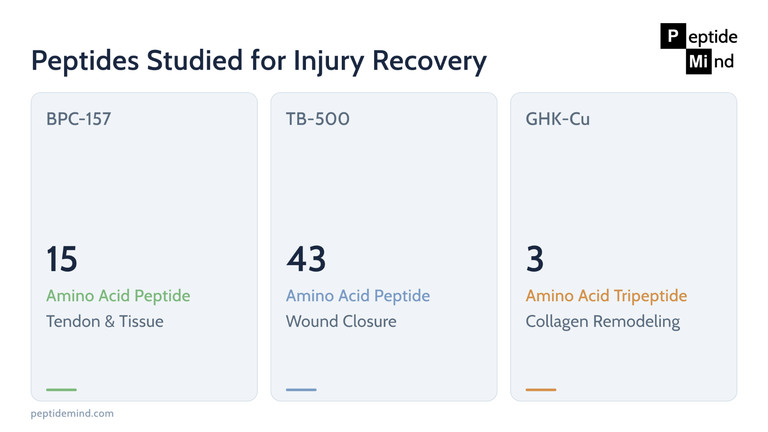
BPC-157 | 15 | Tendon, ligament, muscle, GI tissue | Angiogenesis via VEGF, FAK-paxillin signaling | Preclinical (rodent, in vitro) |
TB-500 | 43 | Wound closure, cardiac, neural tissue | Actin polymerization, cell migration | Preclinical (rodent, in vitro) |
GHK-Cu | 3 (tripeptide) | Collagen remodeling, skin, connective tissue | MMP modulation, collagen/glycosaminoglycan synthesis | Preclinical (cell culture, rodent) |
CJC-1295 + Ipamorelin | 29 / 5 | Growth hormone axis, systemic recovery | GHRH receptor / ghrelin receptor agonism | Preclinical to early clinical |
AOD-9604 | 16 (HGH fragment) | Cartilage, joint tissue, metabolic | IGF-1 signaling, chondrocyte differentiation | Preclinical (rabbit, in vitro) |
BPC-157: The Most Studied Peptide for Tissue Repair
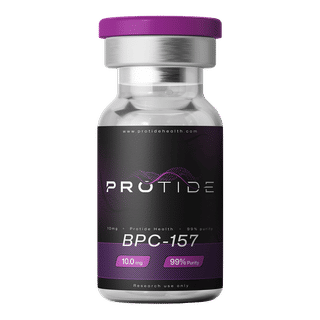
BPC-157 (Body Protection Compound-157) is a synthetic 15-amino acid peptide derived from a protective protein found in human gastric juice. First characterized by Predrag Sikiric and colleagues at the University of Zagreb in 1993, it has since accumulated more preclinical data on musculoskeletal tissue repair than any other research peptide.
In a 2010 study published in the Journal of Orthopaedic Research, BPC-157 administration promoted tendon fibroblast outgrowth, cell survival under stress, and cell migration via activation of the FAK-paxillin signaling pathway. These findings were observed in ex vivo tendon explants and in vitro fibroblast cultures, not in human subjects. Further research is needed to determine whether these mechanisms translate to human tendon injury contexts.
Separate rodent studies demonstrated that BPC-157 accelerated the healing of transected Achilles tendons in rats. Treated animals showed significantly increased load-to-failure values, stiffness, and Young's elasticity modulus compared to controls, along with better organization of collagen fibers and more advanced vascular appearance. These biomechanical improvements were observed under controlled laboratory conditions and should be interpreted with caution.
A 2025 narrative review in Cureus characterized BPC-157 as demonstrating consistent regenerative and cytoprotective effects in preclinical models, while emphasizing that no clinical safety data exist and human trials remain critically needed. The review noted that the peptide's effects on angiogenesis, inflammation modulation, and growth factor signaling pathways have been consistent across tendon, ligament, muscle, and gastrointestinal tissue models in rodents.
"BPC-157 was associated with increased ex vivo outgrowth of tendon fibroblasts from tendon explants, cell survival under stress, and the in vitro migration of tendon fibroblasts, likely mediated by the activation of the FAK-paxillin pathway." -- Chang et al., Journal of Orthopaedic Research, 2011
Researchers interested in BPC-157's broader preclinical profile can explore Peptide Mind's BPC-157 research guide for additional study summaries and mechanism details. Protide Health carries research-grade BPC-157 for laboratory applications.

TB-500 (Thymosin Beta-4): Cell Migration and Wound Closure Research
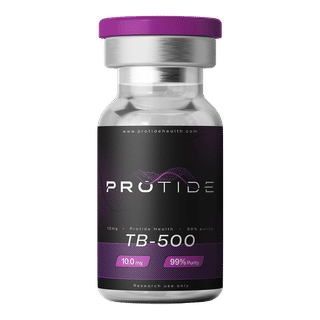
TB-500 is a synthetic fragment of Thymosin Beta-4, a 43-amino acid peptide that plays a central role in actin polymerization and cell motility. Unlike BPC-157, which has been studied primarily for its effects on angiogenesis and growth factor pathways, TB-500 research has focused on its interaction with cytoskeletal dynamics and inflammatory signaling.
In a 2013 study published in PLoS ONE, a dimeric form of Thymosin Beta-4 accelerated the rate of punch wound closure in rats at concentrations of 0.25 mg/mL, with treated wounds showing increased granulation tissue and collagen deposition compared to controls. This data comes from animal models and may not translate directly to human physiology.
Thymosin Beta-4 has also been examined in neural injury contexts. A 2012 study in the Journal of Neurosurgery found that TB4 administration in rats with traumatic brain injuries was associated with improved functional recovery and increased neurogenesis in the injured hemisphere. While these preclinical findings are noteworthy, the peptide's effects on neural tissue in humans remain an active area of investigation.
The anti-inflammatory properties of Thymosin Beta-4 have been examined through its interaction with the NF-kB pathway. Research has shown that TB4 inhibits TNF-alpha-induced NF-kB activation and IL-8 expression through its binding partners PINCH-1 and ILK, suggesting a mechanism by which the peptide may modulate inflammatory responses during tissue injury. These results were observed under controlled laboratory conditions and should be interpreted with caution.
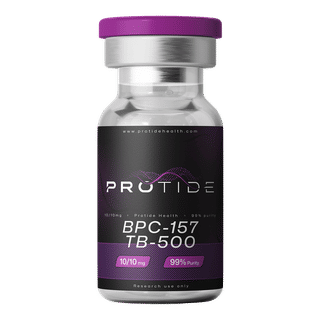
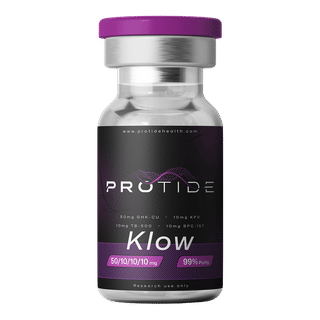
Researchers frequently study BPC-157 and TB-500 in combination because they interact with complementary pathways: BPC-157 through angiogenesis and growth factor signaling, TB-500 through cytoskeletal reorganization and cell migration. All three appear together in the pre-mixed KLOW blend alongside KPV, and our guide grades how KLOW's claimed benefits hold up against the evidence. Peptide Mind's profile on Thymosin Beta-4 covers the broader research landscape for this peptide family.
Shop research peptides
Live pricing from our top-rated vendor. Prices update as vendor listings change.
GHK-Cu: Collagen Synthesis and Tissue Remodeling Research
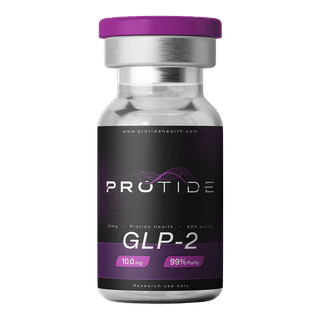
GHK-Cu (glycyl-L-histidyl-L-lysine copper complex) is a naturally occurring tripeptide first identified in human plasma by Loren Pickart in 1973. Unlike BPC-157 and TB-500, which are synthetic peptides, GHK is an endogenous compound whose serum concentrations decline with age, averaging 200 ng/mL at age 20 and dropping to approximately 80 ng/mL by age 60.
In a foundational 1988 study, GHK-Cu was shown to stimulate collagen synthesis in fibroblast cultures at concentrations comparable to those found in human serum. The copper complex demonstrated a concentration-dependent increase in collagen production, with stimulation of collagen synthesis being approximately twice that of non-collagen proteins. These findings are from in vitro cell culture studies and have not been confirmed in human clinical trials.
A 2008 review by Pickart characterized GHK as interacting with multiple aspects of tissue remodeling, including stimulating both the synthesis and breakdown of collagen and glycosaminoglycans while modulating the activity of metalloproteinases and their inhibitors. This dual action on matrix deposition and remodeling distinguishes GHK-Cu from peptides that primarily act on single repair pathways.
More recent gene expression analysis found that GHK modulates the expression of 4,847 genes at a concentration of 1 micromolar, with significant upregulation of genes involved in wound contraction, collagen synthesis, and anti-inflammatory signaling. Further research, including controlled human studies, is needed to validate these observations.
"In GHK-Cu-injected wound chambers, a concentration-dependent increase of dry weight, DNA, total protein, collagen, and glycosaminoglycan contents was found, with stimulation of collagen synthesis being twice that of noncollagen proteins." -- Maquart et al., FEBS Letters, 1988

CJC-1295 and Ipamorelin: Growth Hormone Secretagogue Research
CJC-1295 is a 29-amino acid synthetic analog of growth hormone-releasing hormone (GHRH), while Ipamorelin is a 5-amino acid selective growth hormone secretagogue. Researchers study these peptides for their interaction with the growth hormone (GH) and insulin-like growth factor 1 (IGF-1) axis, which plays a documented role in tissue regeneration, protein synthesis, and cellular repair processes.
The rationale for studying these compounds in injury contexts is based on the established relationship between GH/IGF-1 signaling and musculoskeletal tissue maintenance. A 2026 review in Cureus on therapeutic peptides in orthopaedics noted that growth hormone secretagogues modulate molecular signaling networks including PI3K/Akt, mTOR, and TGF-beta pathways that influence tissue regeneration and inflammation resolution. These are mechanistic observations from preclinical and early clinical research, not confirmed outcomes.
CJC-1295 has been studied for its ability to sustain elevated GH levels over extended periods compared to endogenous GHRH, which has a plasma half-life of minutes. When combined with Ipamorelin, which acts on the ghrelin receptor rather than the GHRH receptor, the two compounds may interact with the GH axis through complementary mechanisms. While these preclinical findings are noteworthy, their implications for human injury recovery have not been established through controlled trials.
Researchers can calculate research dosages for these peptides using Peptide Mind's dosage calculator.
AOD-9604: Cartilage and Joint Tissue Research
AOD-9604 is a 16-amino acid synthetic fragment corresponding to the C-terminal region (amino acids 177-191) of human growth hormone. Originally developed and studied for its interaction with metabolic pathways, AOD-9604 has more recently generated preclinical interest for its effects on cartilage and joint tissue.
In a 2015 study published in the Annals of Clinical and Laboratory Science, intra-articular injection of AOD-9604 in a collagenase-induced osteoarthritis rabbit model showed measurable changes in cartilage regeneration markers. When combined with hyaluronic acid, the combination group showed more pronounced effects than either compound alone. These results were observed in a single animal model and have not been replicated in human joint tissue studies.
The orthopaedic peptide review by Rahman et al. (2026) noted that AOD-9604 functions through IGF-1 signaling and satellite cell activation pathways, distinguishing it from full-length growth hormone by its more targeted interaction profile. Unlike BPC-157 and TB-500, which have been studied across dozens of tissue models, AOD-9604's preclinical literature on musculoskeletal applications remains comparatively limited. Further research is needed before conclusions can be drawn about this peptide's relevance to joint tissue research.
Research Considerations: Peptide Combinations and Study Design
Preclinical researchers have increasingly examined peptide combinations rather than single compounds. The most frequently studied pairing in musculoskeletal research is BPC-157 with TB-500, based on their interaction with complementary pathways: BPC-157's documented effects on angiogenesis and growth factor signaling, and TB-500's effects on actin dynamics and cell migration.
A key consideration for interpreting the current research landscape is that the vast majority of published data on these peptides comes from rodent models, cell cultures, and in vitro assays. The 2024 narrative review on peptide therapies for soft tissue regeneration emphasized that while preclinical signals are consistent and multi-model, the translation gap to human physiology remains significant for all five peptides discussed in this guide.
Research Consideration | What the Literature Shows |
|---|---|
Most studied for tendon/ligament models | BPC-157 (Sikiric lab, 30+ published studies) |
Most studied for wound closure models | TB-500 / Thymosin Beta-4 |
Endogenous peptide with age-related decline | GHK-Cu (200 ng/mL at age 20, 80 ng/mL at age 60) |
Studied in combination most frequently | BPC-157 + TB-500 |
Most limited musculoskeletal preclinical data | AOD-9604 |
Only peptide with early-phase human trial data (non-musculoskeletal) | Thymosin Beta-4 (dry eye, Phase II) |
Shop research peptides
Live pricing from our top-rated vendor. Prices update as vendor listings change.
For researchers new to peptide science, Peptide Mind's beginner's guide provides foundational context on peptide classification, structure, and research methodology. Those working with lyophilized compounds can reference the peptide reconstitution guide for solvent selection and concentration formulas.
Frequently Asked Questions
What peptides have been studied for tendon and ligament repair?
BPC-157 has the most extensive preclinical literature on tendon and ligament repair, with studies demonstrating effects on tendon fibroblast outgrowth and migration via the FAK-paxillin pathway. TB-500 (Thymosin Beta-4) has also been examined for its effects on connective tissue through actin-mediated cell migration. GHK-Cu has been studied for its interaction with collagen synthesis pathways relevant to connective tissue remodeling. All of this data comes from preclinical research, and no controlled human trials have confirmed these findings for tendon or ligament injury applications.
What is the difference between BPC-157 and TB-500 in preclinical research?
BPC-157 is a 15-amino acid synthetic peptide derived from human gastric juice protein, studied primarily for its effects on angiogenesis, growth factor signaling, and the FAK-paxillin pathway. TB-500 is a synthetic fragment of the 43-amino acid endogenous peptide Thymosin Beta-4, studied for its role in actin polymerization, cell migration, and NF-kB-mediated inflammatory modulation. Researchers often examine these peptides together because they interact with complementary biological mechanisms involved in tissue repair.
What research exists on GHK-Cu for injury recovery?
GHK-Cu is a naturally occurring tripeptide copper complex that has been studied for its effects on collagen synthesis, glycosaminoglycan production, and metalloproteinase modulation in cell culture and rodent wound models. Gene expression analysis has identified over 4,000 genes modulated by GHK at micromolar concentrations. Unlike BPC-157 and TB-500, GHK-Cu is an endogenous compound with documented age-related serum decline, which has driven research interest in its tissue remodeling properties.
What dosages have been used in published peptide recovery research?
Dosages in published preclinical studies vary significantly by peptide, research model, and administration route. BPC-157 studies in rats have commonly used dosages in the range of 10 mcg/kg administered intraperitoneally or subcutaneously. TB-500 wound healing studies have used concentrations of 0.25 mg/mL applied topically. GHK-Cu in vitro studies have examined effects at 1 micromolar concentrations. These are research parameters from published studies, not recommendations.
Are there human clinical trials on peptides for injury recovery?
As of 2026, no large-scale controlled human clinical trials have been completed on BPC-157, TB-500, or GHK-Cu specifically for musculoskeletal injury recovery. Thymosin Beta-4 has undergone a Phase II clinical trial for dry eye, demonstrating some precedent for human safety data, though not in a musculoskeletal context. The 2025 systematic review on BPC-157 in orthopaedic sports medicine identified this as a critical gap in the field and called for well-designed human trials.
Research Disclaimer
The information presented in this article is for educational and research purposes only. Peptide Mind provides evidence-based research summaries and does not offer medical advice, diagnosis, or treatment recommendations. All peptides discussed are intended for in vitro and preclinical research use only. Consult a qualified healthcare professional before making any health-related decisions. The research cited may not reflect the full body of available evidence, and findings from preclinical studies may not translate to human outcomes.
References
Chang CH, Tsai WC, Lin MS, Hsu YH, Pang JH. "The promoting effect of pentadecapeptide BPC 157 on tendon healing involves tendon outgrowth, cell survival, and cell migration." Journal of Orthopaedic Research, 29(6), 2011, 862-868. PubMed
Sikiric P, et al. "BPC 157 and Standard Angiogenic Growth Factors. Gastrointestinal Tract Healing, Lessons from Tendon, Ligament, Muscle and Bone Healing." Current Pharmaceutical Design, 24(18), 2018, 1972-1989. PubMed
Cerovecki T, et al. "Achilles detachment in rat and stable gastric pentadecapeptide BPC 157: Promoted tendon-to-bone healing and opposed corticosteroid aggravation." Journal of Orthopaedic Research, 24(5), 2006, 982-989. PubMed
Vasireddi N, et al. "Emerging Use of BPC-157 in Orthopaedic Sports Medicine: A Systematic Review." Orthopaedic Journal of Sports Medicine, 2025. PMC
"Regeneration or Risk? A Narrative Review of BPC-157 for Musculoskeletal Healing." Cureus, 2025. PMC
Morris DC, et al. "A novel dimeric thymosin beta 4 with enhanced activities accelerates the rate of wound healing." PLoS ONE, 8(3), 2013. PMC
Xiong Y, et al. "Neuroprotective and neurorestorative effects of Thymosin beta 4 following experimental traumatic brain injury." Annals of Neurology, 2012. PMC
Lee K, et al. "Thymosin beta-4 inhibits TNF-alpha-induced NF-kB activation, IL-8 expression, and the sensitizing effects by its partners PINCH-1 and ILK." FASEB Journal, 2011. PMC
Maquart FX, et al. "Stimulation of collagen synthesis in fibroblast cultures by the tripeptide-copper complex glycyl-L-histidyl-L-lysine-Cu2+." FEBS Letters, 238(2), 1988, 343-346. PubMed
Pickart L, Vasquez-Soltero JM, Margolina A. "The human tri-peptide GHK and tissue remodeling." Journal of Biomaterials Science, Polymer Edition, 19(8), 2008, 969-988. PubMed
Pickart L, Vasquez-Soltero JM, Margolina A. "Regenerative and Protective Actions of the GHK-Cu Peptide in the Light of the New Gene Data." International Journal of Molecular Sciences, 19(7), 2018, 1987. PubMed
Duff SE, et al. "Effect of Intra-articular Injection of AOD9604 with or without Hyaluronic Acid in Rabbit Osteoarthritis Model." Annals of Clinical and Laboratory Science, 45(4), 2015, 426-432. PubMed
Dzobo K, et al. "Local and Systemic Peptide Therapies for Soft Tissue Regeneration: A Narrative Review." Journal of Clinical Medicine, 2024. PMC
Rahman OF, et al. "Therapeutic Peptides in Orthopaedics: Applications, Challenges, and Future Directions." Cureus, 2026. PMC
The Current State of Peptide Recovery Research
The peptides examined in this guide, including BPC-157, TB-500, GHK-Cu, CJC-1295/Ipamorelin, and AOD-9604, represent some of the most actively studied compounds in preclinical musculoskeletal research. BPC-157 and Thymosin Beta-4 have accumulated the deepest evidence base across multiple tissue models, while GHK-Cu's status as an endogenous peptide with age-related decline adds a distinct research angle. The consistent gap across all five peptides remains the absence of large-scale human clinical trials, which multiple 2025 and 2026 reviews have identified as the field's most pressing need.
Researchers can explore individual peptide profiles and research summaries across Peptide Mind's peptide library, or find lab-tested research peptides at Protide Health.
Add a comment
This will be publicly visible.
Your email address will not be published.
Your comment will be reviewed by an admin before it is published.