Reviewed by the PeptideMind Team · Updated August 28, 2026
Free Peptide Calculator & Dosage Tool
Our free peptide calculator turns vial size, bacteriostatic water volume, and target research quantity into an exact draw volume in milliliters. Pre-loaded with half-life and reference dosage data for 100+ research peptides including BPC-157, TB-500, Semaglutide, and Retatrutide. For research purposes only — no signup required.
peptidemind.com
As seen on






How to calculate peptide dosage
Every peptide research quantity calculation follows the same three-variable formula: vial size in mg, reconstitution volume in mL, and target quantity in mcg or mg. For research purposes only.
Enter your vial size
Find the total peptide amount on the vial label and enter it in milligrams (e.g., 10 mg). This is the full quantity of peptide dissolved in your reconstituted solution. Common sizes are 5 mg and 10 mg.
Set your BAC water volume
Select or enter how much bacteriostatic water was used in milliliters — choose from 1, 2, 3, or 5 mL presets, or enter a custom amount. More water means a lower concentration and a larger draw volume for the same research quantity. 2 mL or 3 mL is commonly used in research reconstitution.
Enter the target research quantity
Type in the target research quantity per administration — in mcg or mg, use the unit toggle to switch. The calculator divides the target quantity by the total vial content, then multiplies by the water volume to give the exact draw volume in milliliters.
Peptide reconstitution chart
A quick reference chart for common peptide vial sizes and how much bacteriostatic water is typically added to each. Most peptide vials are physically 2–3 mL regardless of their mg content, so water amounts here top out at 3 mL. If you're planning to add more than 3 mL, check that your vial is actually big enough to hold it. Enter your own vial size in the calculator above for your exact numbers.
| Vial size | BAC water to add |
|---|---|
2 mg | 1 mL |
5 mg | 2 mL |
10 mg | 3 mL |
15 mg | 3 mL |
20 mg | 3 mL |
30 mg | 3 mL |
50 mg | 3 mL |
70 mg | 3 mL |
100 mg | 3 mL |
Peptide Dosage Calculator: Reconstitution Guide
Get the right peptide dosage every time by mixing the correct amount of bacteriostatic water into your lyophilized vial to produce a properly reconstituted, research-ready solution.
Use bacteriostatic water (BAC)
Contains 0.9% benzyl alcohol for preservation in research solutions.
Add liquid slowly during reconstitution
Aim down the vial wall, not directly onto lyophilized powder.
Never shake
Gently swirl or roll the vial until fully dissolved.

Shop research peptides
Live pricing from our top-rated vendor. Prices update as vendor listings change.
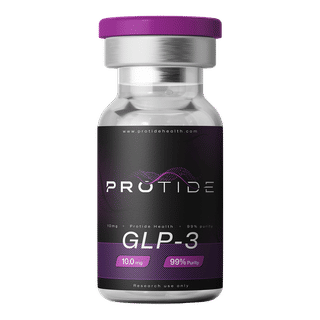
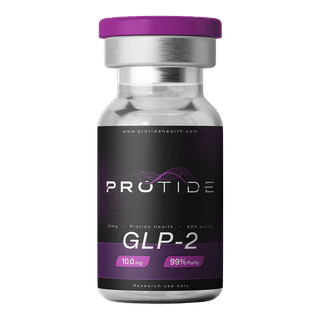
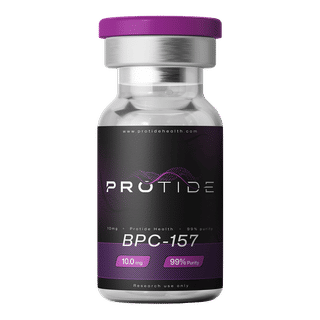
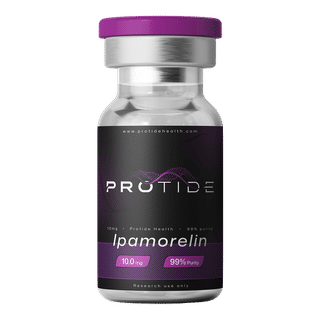
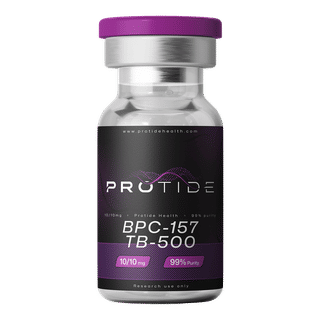
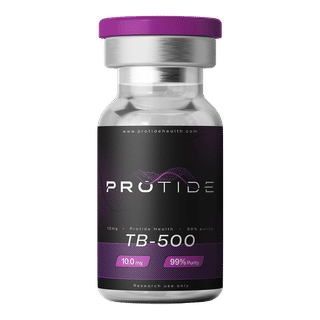
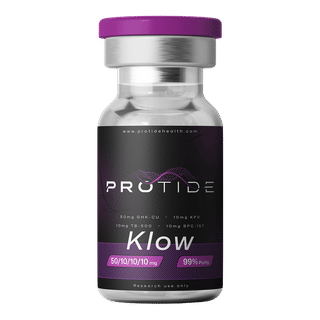
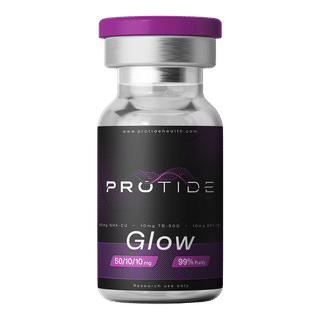
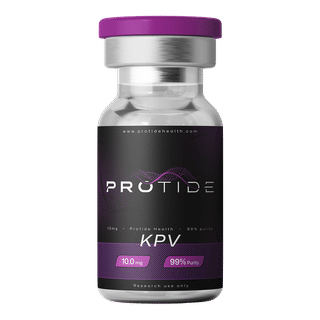
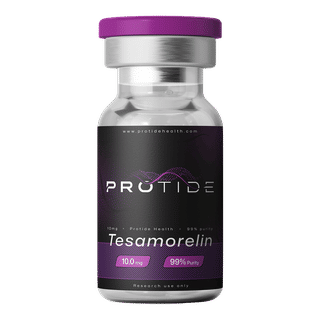
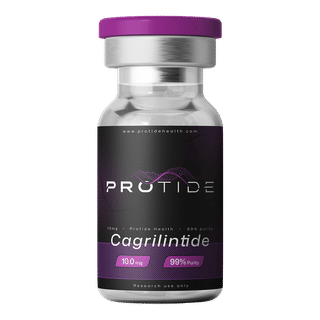
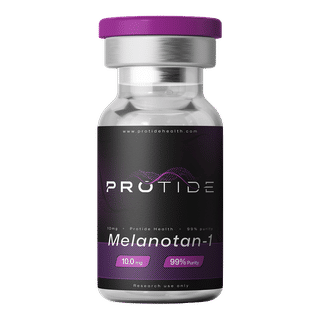
Search Peptide Dosage Guides
Your peptide dosage cheat sheet: search 100+ research peptides for vial size, BAC water, dosing, frequency, and cycle length for 100+ research peptides, including BPC-157, TB-500, Semaglutide, and Retatrutide. Tap any guide to load it straight into the calculator.
Peptide calculator formula
This is the exact equation the peptide calculator runs: vial size and BAC water set your reconstitution concentration, then your target dose solves for draw volume.
V
Draw volume, in mL
D
Target research dose, in mcg
W
BAC water added, in mL
C
Total vial content, in mcg
Enter your own vial size, BAC water volume, and target research quantity in the calculator above to run this formula on your exact numbers.
How to Read Your Syringe
Once the calculator gives you a draw volume in milliliters, you need to locate that measurement on your syringe. Different syringe types use different scales — knowing which one you have prevents dosing errors.
Insulin syringe (U-100)
The most common syringe for peptides. Holds 1 mL, and each mark is 0.01 mL. A dose of 0.25 mL means draw to the 25-unit line.
½ mL insulin syringe (U-50)
Holds 0.5 mL. The marks are more spread out, making small doses easier to measure precisely.
1 mL luer lock syringe
Holds 1 mL, marked directly in mL (no unit conversion). Good for larger doses or a detachable needle.
2 mL luer lock syringe
For doses over 1 mL. Marks are less fine (0.1 mL), so it's a bit less precise for small doses.

Frequently Asked Peptide Calculator Questions
Straight answers on reconstitution, draw volumes, and BAC water ratios, everything you need to use the calculator with confidence. For research reference only.
Peptide-Specific Dosage Calculators & Guides
Get exact reconstitution and draw volume instructions for the most-searched research peptides, including BPC-157, TB-500, MOTS-C, and PT-141. Each guide has its own pre-loaded dosage calculator with reference dose ranges, half-life, and reconstitution steps for that specific peptide. For research purposes only.
Weight
GLP-3
Metabolic
Weight
GLP-2
Metabolic
Peptide Dosage: Storage & Handling Guide
Protect your peptide dosage after reconstitution. Proper storage and handling keep your solution stable and free from contamination between uses.
Store properly
Refrigerate reconstituted solutions at 2–8°C.
Use within 28 days
Most reconstituted peptides remain stable for approximately 4 weeks.
Maintain sterility
Clean vial septa with alcohol swabs before each draw.
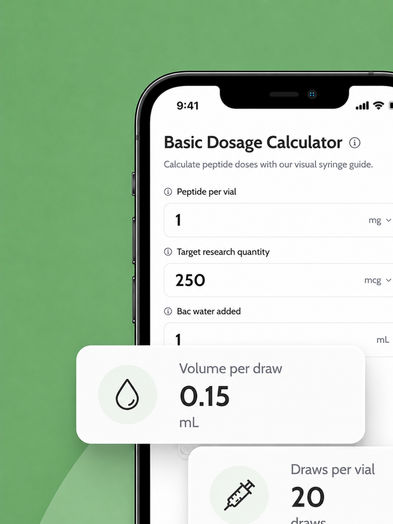
Calculate peptide dosages
Reference our peptide quantity, blend, and accumulation calculators for laboratory purposes. Enter vial size, reconstitution volume, and target research quantity to calculate exact draw volumes instantly. All calculators are for research use only and do not constitute dosing or administration guidance.
