Peptide Sciences Has Shut Down: What Actually Happened and the Best Alternatives in 2026
Peptide Sciences has voluntarily shut down. Here's what happened, why it matters, and where the Peptide Mind team is sourcing research peptides now.

If you’ve visited PeptideSciences.com recently and found a short goodbye message where their catalog used to be, you already know: Peptide Sciences has shut down.
The statement on their site reads:
“After careful consideration, Peptide Sciences has made the decision to voluntarily shut down operations and discontinue the sale of our research products. We are deeply grateful for your trust and support. Thank you for being part of the Peptide Sciences community.”
No date. No explanation. No mention of what pushed them over the line. Just that.
For anyone who has been sourcing research peptides for any meaningful amount of time, this is a big deal. Peptide Sciences was one of the most visible, mainstream US-facing vendors in the space. Not a sketchy Telegram reseller with a disposable domain. A real website, published Certificates of Analysis, a consistent product catalog, and a name that came up in nearly every serious conversation about where to source.
So what actually happened? And where do you go from here? Let’s get into it.
What Was Peptide Sciences?
Peptide Sciences had been operating for years as one of the more credible and accessible names in the research peptide market. For researchers, biohackers, and longevity communities, they were often a default starting point. The catalog was wide, COAs were available on product pages, and their name held up reasonably well in forums and community discussions over time.
They were not perfect, and the space they operated in was always legally ambiguous. Much of that ambiguity traces back to the Research Use Only (RUO) label itself, a marketing and legal designation, not a guarantee of purity or safety. But relative to many of their competitors, they represented a more transparent, professional operation. That’s exactly why their exit matters and why it’s worth understanding what drove it.
Why Did Peptide Sciences Shut Down?
The announcement does not say. But the context around it tells most of the story.
The GLP-1 Crackdown
Prior to the full shutdown, Peptide Sciences had already started quietly removing their highest-profile products. GLP-1, GLP-2, and GLP-3 and similar GLP-1-adjacent compounds disappeared from their public catalog. These are molecules that sit uncomfortably close to FDA-approved prescription drugs, and the legal exposure around selling them as research chemicals had been building for months.
New 2026 legislation made it significantly harder for vendors to sell research chemicals that are biologically identical to approved drugs without going through a New Drug Application process. That is not a realistic path for a grey-market research supplier. The end of FDA shortage exemptions that had briefly allowed compounding pharmacies to produce GLP-1 analogues also closed off another avenue that had been keeping parts of this market running.
Broader FDA and Industry Pressure
The FDA has been publicly vocal about unapproved peptide drugs circulating online. Advisory committees reviewed how the “research use only” designation was being applied in practice. Cease-and-desist activity was reported across the industry against vendors operating at scale.
For a US-facing company with real visibility and real web traffic, the calculus on continued operation changed. The risk-reward no longer made sense.
The Bigger Picture
Peptide Sciences is not the first major vendor to exit this market. Proven Peptides closed years before them. Others followed quietly. What makes the Peptide Sciences shutdown different is the scale of their presence in the market and how recognizable the brand had become.
The fact that this was a voluntary shutdown rather than a forced closure also matters. It suggests a deliberate, clean exit rather than a regulatory action forcing the issue. Customers with outstanding orders are in a better position than they would be with an abrupt enforcement-driven shutdown. But it still leaves a large number of researchers searching for a reliable alternative.
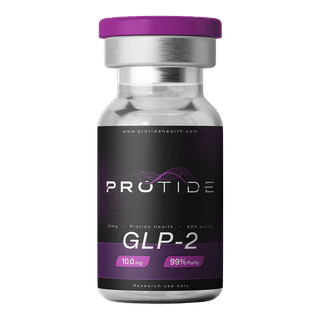
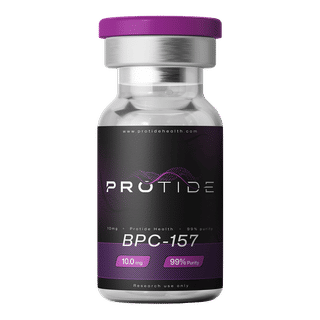
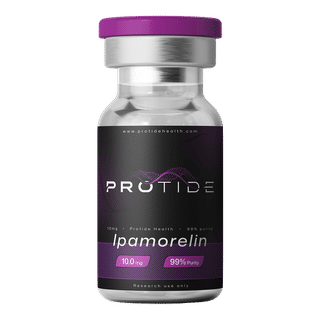
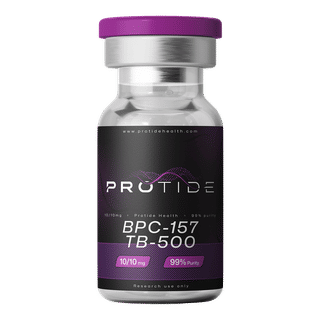
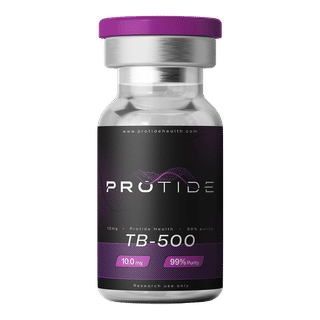
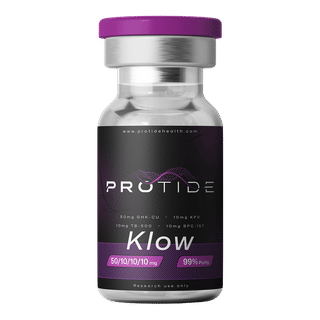
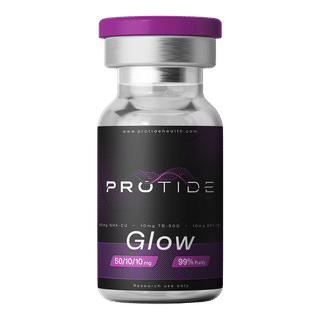
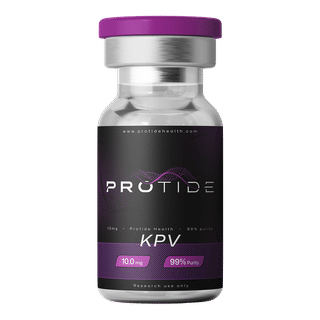
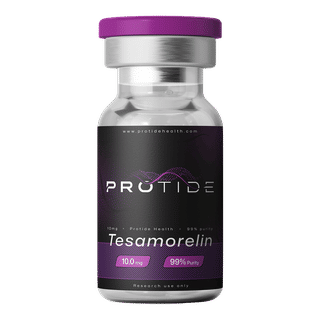
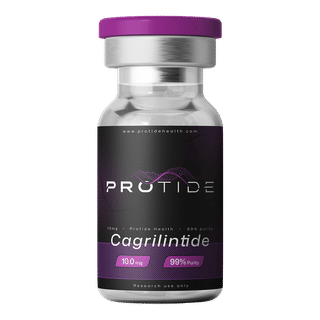
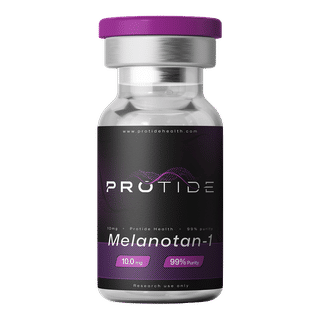
Shop research peptides
Live pricing from our top-rated vendor. Prices update as vendor listings change.
What This Means for Researchers
When a major, established vendor exits the market, the vacuum gets filled quickly. Not always by the right people.
Expect lower-quality operators to benefit from the Peptide Sciences shutdown in the short term. The search traffic and purchasing behavior that was going to Peptide Sciences is now loose, and plenty of vendors will position themselves as the obvious replacement without having anything close to the same commitment to testing, transparency, or quality control. In a space where purity documentation is the primary signal of a serious operation, that gap matters.
The longer-term picture is more nuanced. The era of large, openly US-facing, high-visibility research peptide storefronts operating with minimal friction is under more scrutiny than ever. The vendors that survive and build from here will be those who have invested in genuine quality infrastructure and can navigate an increasingly complex regulatory environment. That is not a bad thing for the research community in the long run, even if the short-term uncertainty is frustrating.
What to Look for in a Peptide Sciences Alternative
If you’re looking to replace Peptide Sciences as a research peptide supplier, here is what matters. The Peptide Mind team uses these criteria whenever we evaluate a new vendor:
Third-party testing and COA availability. Independent lab results should be accessible on the product page or available on request. HPLC purity data and mass spectrometry verification are the baseline. If a vendor cannot show you their testing, move on.
US-based operations. Domestic vendors face more scrutiny, but that scrutiny also tends to produce more accountability. Quality consistency and recourse options are both better with a US-based operation.
Responsive customer service. This sounds obvious but it is genuinely telling. An operation that cares about their product cares about their customers. Poor support usually signals deeper issues.
Transparent, reasonable pricing. The research peptide market spans a wide price range. Suspiciously low prices typically reflect compromises somewhere in the supply chain. Quality synthesis has real costs.
Where the Peptide Mind Team Is Ordering From Now
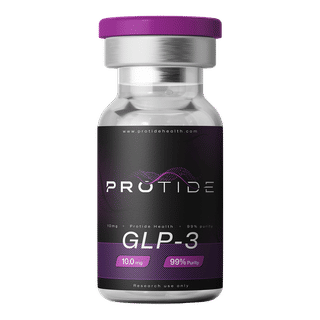
Straight answer: we’ve been using Protide Health for a while now, well before the Peptide Sciences news dropped. That’s where we plan to continue.
The team at Peptide Mind started using Protide Health on the basis of their product quality and documentation, and we’ve continued because the experience has been consistent. Customer service has been responsive every time we’ve needed to reach out. Pricing is competitive for the level of quality and documentation they provide. And they have held up well in comparison to other vendors we have tested against.
For anyone looking for a Peptide Sciences alternative that actually clears a quality bar worth caring about, they are worth checking out.
Check them out at protidehealth.com.
We will keep this post updated as the market evolves post-shutdown. If you have found other vendors worth noting for research purposes, drop a comment below.
Final Thoughts
The Peptide Sciences shutdown is one of those moments that marks a before and after for this community. A well-known, mainstream name is gone, and the reasons behind it reflect pressures that are not going away.
The peptide market itself is not going away either. But the sourcing landscape is changing, and it will reward researchers who are thoughtful about where their materials come from. Quality documentation, transparent operations, and responsive vendors are not just nice to have. In a market that is going through this kind of pressure, they are what separates reliable suppliers from ones that will not be around next year.
Take your time with sourcing decisions in the wake of this. The rush to fill the Peptide Sciences gap will attract a lot of noise. The vendors worth trusting are the ones who were already doing things right before the spotlight hit them.
Shop research peptides
Live pricing from our top-rated vendor. Prices update as vendor listings change.
Peptide Mind is an independent research information resource. We do not sell peptides. Vendor references on this site reflect the editorial team's personal sourcing experience. Research peptides are sold for laboratory and scientific research purposes only and are not intended for human consumption.
Add a comment
This will be publicly visible.
Your email address will not be published.
Your comment will be reviewed by an admin before it is published.