Peptides for Longevity: Research Guide to Anti-Aging Peptides (2026)
Peptides for longevity research explained. BPC-157, Epithalon, MOTS-c, GHK-Cu, and more with PubMed citations and preclinical evidence.

Peptides for longevity are among the fastest-growing areas of preclinical research, with published studies spanning tissue repair, telomere maintenance, metabolic regulation, and senescent cell clearance. This guide covers the peptides most studied for their connections to aging pathways, including BPC-157, Epithalon, MOTS-c, GHK-Cu, Thymosin Beta-4, and FOXO4-DRI, with citations from peer-reviewed literature and a clear look at where the evidence stands in 2026.
What Are Longevity Peptides and Why Do They Matter?
Longevity peptides are short chains of amino acids that interact with biological pathways involved in aging, including cellular repair, inflammation, oxidative stress, and metabolic decline. Unlike single-mechanism compounds, many of these peptides act on multiple systems simultaneously, which is part of what makes them attractive to researchers studying the hallmarks of aging.
Interest in longevity peptides has accelerated for a practical reason: aging is increasingly understood as a collection of modifiable biological processes rather than an inevitable decline. Research published in Cell identified nine hallmarks of aging, including telomere attrition, cellular senescence, and mitochondrial dysfunction, and several peptides under investigation target these hallmarks directly.
The peptides covered in this guide are all at the preclinical or early clinical stage. None have received FDA approval for anti-aging applications. That distinction matters, and this guide will be transparent about what each peptide has demonstrated in published research versus what remains speculative.
Key Peptides Studied for Longevity
The following peptides represent the most actively researched compounds in longevity science. Each targets a different aging mechanism, and together they cover the major hallmarks that researchers are working to address.

Peptide | Primary Research Focus | Key Mechanism | Research Stage |
|---|---|---|---|
BPC-157 | Tissue repair, GI protection | Growth factor modulation, angiogenesis | Preclinical (extensive) |
Epithalon | Telomere maintenance | Telomerase activation | Preclinical + limited human data |
MOTS-c | Metabolic regulation | AMPK pathway activation | Preclinical + human correlational |
GHK-Cu | Gene expression, tissue remodeling | Modulates 4,000+ genes | Preclinical + topical human trials |
TB-500 (Thymosin Beta-4) | Wound healing, regeneration | Actin binding, stem cell mobilization | Preclinical + Phase 2 clinical |
FOXO4-DRI | Senescent cell clearance | p53 nuclear exclusion in senescent cells | Early preclinical |
BPC-157: Tissue Repair and Systemic Protection
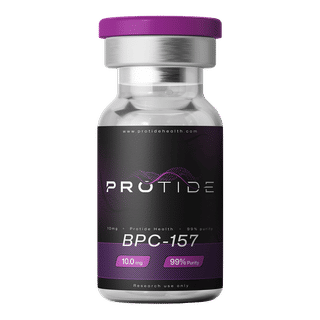
BPC-157 (Body Protection Compound-157) is a 15-amino acid synthetic peptide derived from a protective protein found in human gastric juice. It is one of the most extensively studied peptides in preclinical longevity research, with over 100 published studies examining its effects on tissue repair, inflammation, and organ protection.
The longevity relevance of BPC-157 centers on its ability to accelerate repair processes that slow with age. A 2010 study published in the Journal of Orthopaedic Research demonstrated that BPC-157 promoted tendon healing by enhancing tendon outgrowth, cell survival, and cell migration in rat models. Separately, a 2019 review in Current Pharmaceutical Design described BPC-157 as having pleiotropic beneficial effects across multiple organ systems, including the gastrointestinal tract, musculoskeletal system, and central nervous system.
In preclinical models, BPC-157 has demonstrated effects across gastrointestinal, musculoskeletal, and neurological systems, with a 2025 systematic review confirming growing interest in its orthopaedic applications.
BPC-157 has also been studied for its interactions with growth hormone receptor expression. A 2014 study found that BPC-157 enhanced growth hormone receptor signaling in animal models, which is relevant to age-related declines in growth hormone activity. The compound's multi-system effects make it one of the more frequently discussed peptides in longevity research circles, though it remains without human clinical trial data for aging-specific endpoints.
Researchers interested in BPC-157 can find a complete research profile on Peptide Mind.
Epithalon: Telomerase Activation and Telomere Maintenance
Epithalon (also written as Epitalon) is a synthetic tetrapeptide with the sequence Ala-Glu-Asp-Gly, originally developed by Professor Vladimir Khavinson at the Saint Petersburg Institute of Bioregulation and Gerontology. It is based on Epithalamin, a polypeptide extract from the pineal gland, and is one of the few peptides with published research specifically targeting telomere length.
The core finding comes from a 2003 study in Bulletin of Experimental Biology and Medicine, which demonstrated that Epithalon induced telomerase activity and telomere elongation in human somatic cells. A more recent 2025 study confirmed these findings, showing dose-dependent telomere length extension in normal human cell lines through hTERT upregulation. This is significant because telomere shortening is one of the established hallmarks of aging, and telomerase activation has been associated with up to 24% lifespan extension in mammalian models.
Beyond telomere biology, Epithalon has demonstrated effects on the pineal gland and melatonin regulation. Research has shown it restores circadian rhythms of melatonin and cortisol production in aged animal models, produces anticarcinogenic effects, stimulates antioxidant defenses, and restores reproductive function in aged rats. These combined effects have been described as geroprotective activity, meaning they collectively promote protection against the biological effects of aging.
Epithalon stands out in the longevity peptide space because it is one of the few peptides with early human data suggesting geroprotective benefits, though large-scale clinical trials are still needed.
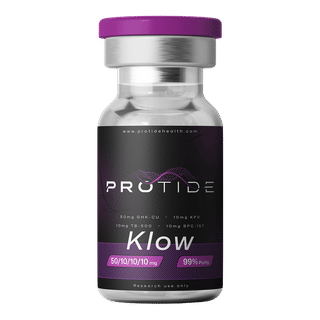
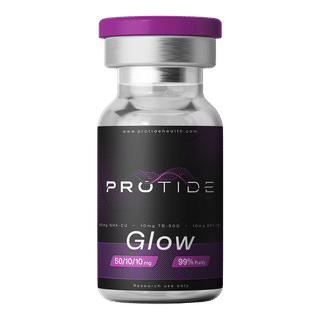
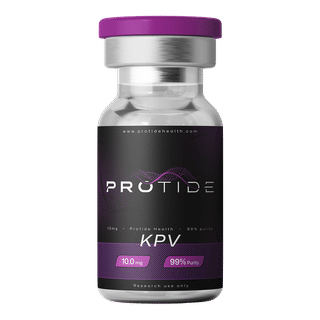
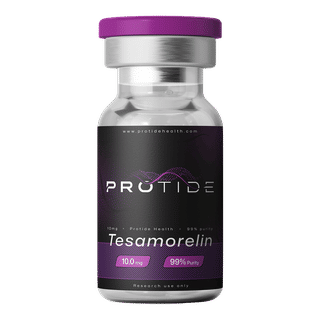
Shop research peptides
Live pricing from our top-rated vendor. Prices update as vendor listings change.

MOTS-c: The Mitochondrial-Derived Exercise Mimetic
MOTS-c is a 16-amino acid peptide encoded from the 12S rRNA region of the mitochondrial genome, discovered by Dr. Changhan David Lee at the University of Southern California in 2015. It is the first mitochondrial-derived peptide shown to regulate nuclear gene expression, making it a unique bridge between mitochondrial and nuclear signaling in aging.
The aging relevance of MOTS-c is direct: circulating levels decline by approximately 21% between ages 18-30 and 70-81, mirroring the trajectory of age-related metabolic decline. Under metabolic stress, MOTS-c translocates to the nucleus where it regulates genes involved in glucose metabolism and cellular stress response through the Folate-AICAR-AMPK pathway.
A landmark 2021 study published in Nature Communications established that MOTS-c functions as an exercise-induced mitochondrial-encoded regulator of age-dependent physical decline and muscle homeostasis. The study demonstrated that late-life intermittent MOTS-c treatment (initiated at 23.5 months in mice, equivalent to roughly 70 human years) increased physical capacity and extended healthspan. Human studies have confirmed that exercise increases MOTS-c levels in both skeletal muscle and blood circulation.
MOTS-c levels decline by approximately 21% between young adulthood and old age, and late-life MOTS-c treatment in mice improved physical capacity and healthspan even when initiated at advanced ages.
The "exercise mimetic" label is earned: MOTS-c activates the same AMPK signaling cascade that physical exercise does, making it a candidate for research into metabolic aging in populations where exercise capacity is limited. MOTS-c is available for research applications through verified suppliers.
GHK-Cu: The Gene-Resetting Copper Peptide
GHK-Cu (glycyl-L-histidyl-L-lysine copper complex) is a naturally occurring tripeptide found in human plasma, saliva, and urine. First identified in 1973, it forms a high-affinity chelate with copper(II) ions. What makes GHK-Cu remarkable in longevity research is the scale of its gene expression effects: studies using the Broad Institute Connectivity Map showed that GHK modulates expression of over 4,000 human genes, resetting pathological gene expression patterns toward healthier configurations.
The aging connection is built into the peptide's biology. GHK-Cu plasma levels decline from approximately 200 ng/mL at age 20 to 80 ng/mL by age 60, a 60% reduction that correlates with visible and systemic signs of aging. Research has demonstrated that GHK-Cu increases collagen synthesis, promotes wound healing and tissue regeneration, possesses antioxidant and anti-inflammatory properties, and promotes stem cell characteristics in dermal cells.
A 2017 study on cognitive function found that GHK affects gene expression relevant to nervous system function and cognitive decline, suggesting the peptide's effects extend beyond skin and tissue repair into neuroprotective territory. Preliminary observations in animal models indicate that GHK can partially reverse cognitive impairment by targeting anti-inflammatory and epigenetic pathways.
For researchers interested in copper peptide applications, Peptide Mind's profile pages cover GHK-Cu research in detail.
TB-500 (Thymosin Beta-4): Regenerative Repair Across Tissues
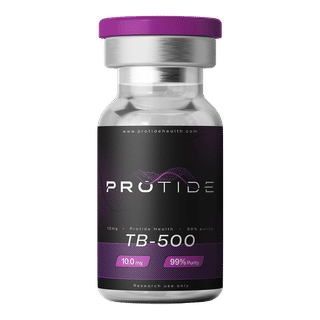
Thymosin Beta-4, commercially known as TB-500, is a 43-amino acid peptide that plays a central role in cell migration, tissue repair, and angiogenesis. It is one of the most abundant intracellular peptides and is found in virtually all tissues and cell types, which accounts for its broad range of biological effects.
The longevity relevance of TB-500 is rooted in the fact that regenerative capacity declines significantly with age. A 2013 study demonstrated that Thymosin Beta-4 accelerated dermal healing in preclinical models and in patients, with Phase 2 clinical trials showing healing acceleration of nearly one month in stasis and pressure ulcers. The peptide's mechanism involves binding to actin to promote cell migration, mobilization of stem and progenitor cells, and formation of new blood vessels.
A 2023 review specifically positioned Thymosin Beta-4 as relevant to anti-aging regenerative therapies, noting its ability to prevent cell apoptosis, slow cellular aging, and promote cell proliferation. Research has also shown that TB-4 reduces cell senescence in human nucleus pulposus cells, connecting it directly to the cellular senescence hallmark of aging.
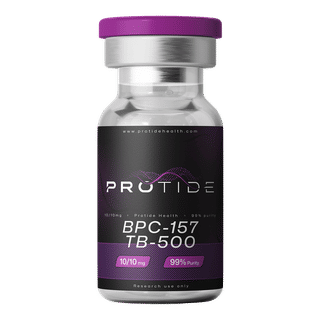
TB-500 is notable among longevity peptides for having the most advanced clinical data, including completed Phase 2 trials for wound healing. Researchers studying tissue regeneration peptides can explore both TB-500 and the combined BPC-157 + TB-500 Wolverine Blend for multi-pathway repair research.
FOXO4-DRI: Targeting Senescent Cells Directly
FOXO4-DRI is a D-retro-inverso peptide developed by researchers at Erasmus University Medical Center in the Netherlands. Published in Cell in 2017, the foundational study by Baar et al. demonstrated that FOXO4-DRI selectively induces apoptosis in senescent cells by disrupting the FOXO4-p53 interaction that keeps these "zombie cells" alive.
In normal biology, FOXO4 sequesters p53 in nuclear bodies within senescent cells, preventing p53 from triggering apoptosis. FOXO4-DRI competes with endogenous FOXO4 for p53 binding, releasing p53 to induce cell death specifically in senescent cells while leaving healthy cells unaffected. This selectivity is what makes it a true senolytic.
Shop research peptides
Live pricing from our top-rated vendor. Prices update as vendor listings change.
Preclinical results have been striking. In naturally aged mice, FOXO4-DRI treatment improved vascular function and suppressed aortic aging. A 2020 study showed it alleviated age-related testosterone secretion insufficiency by clearing senescent Leydig cells. Additional research demonstrated improved spermatogenesis in aged mice by reducing the senescence-associated secretory phenotype.
FOXO4-DRI represents the most targeted approach to longevity among the peptides in this guide. Rather than supporting repair or metabolic function, it removes the cells that actively contribute to aging through inflammatory signaling. Research remains at the animal model stage, and no human trials have been initiated as of 2026.
How Longevity Peptides Target the Hallmarks of Aging
The peptides in this guide do not all work through the same mechanism. Their value in longevity research comes from the fact that each addresses different hallmarks of aging, and some researchers are exploring whether combinations could produce additive effects.
Hallmark of Aging | Peptide(s) Studied | Mechanism |
|---|---|---|
Telomere attrition | Epithalon | Telomerase activation, hTERT upregulation |
Cellular senescence | FOXO4-DRI | Selective apoptosis of senescent cells via p53 release |
Mitochondrial dysfunction | MOTS-c | AMPK pathway activation, metabolic regulation |
Loss of proteostasis | GHK-Cu | Gene expression reset across 4,000+ genes |
Stem cell exhaustion | TB-500 | Stem/progenitor cell mobilization and differentiation |
Altered intercellular communication | BPC-157 | Multi-system growth factor modulation |
This mapping is a simplification; most of these peptides have secondary effects that cross categories. BPC-157, for example, has demonstrated effects relevant to mitochondrial function, inflammation, and cellular repair beyond its primary tissue-healing profile. The point is that longevity peptide research is not a single-target pursuit, but a multi-pathway investigation.

Current Limitations and Research Considerations
The enthusiasm around peptides for longevity should be weighed against several important realities.
First, the majority of evidence comes from animal models. BPC-157, MOTS-c, and FOXO4-DRI have extensive preclinical data but limited or no human clinical trial results for aging-specific endpoints. Epithalon has the most direct human data, but sample sizes remain small. TB-500 has Phase 2 clinical data for wound healing, though not for longevity specifically.
Second, quality and sourcing vary significantly across the research peptide market. Purity, accurate peptide content, and proper lyophilization all affect research outcomes. Third-party testing through HPLC verification is the standard benchmark for research-grade peptides, and researchers should verify certificates of analysis before incorporating any peptide into study protocols.
Third, the FDA has not approved any of these peptides for anti-aging or longevity applications. Research use remains the appropriate context for investigating these compounds.
For researchers looking for HPLC-verified research peptides, Protide Health provides third-party tested compounds with certificates of analysis.
Frequently Asked Questions
What are the best peptides for longevity research?
The most studied peptides for longevity include Epithalon for telomere maintenance, MOTS-c for metabolic aging, BPC-157 for systemic tissue repair, GHK-Cu for gene expression modulation, TB-500 for regenerative capacity, and FOXO4-DRI for senescent cell clearance. Each targets a different hallmark of aging, and the "best" choice depends on which aging pathway a researcher is investigating. Peptide Mind's research profiles cover each of these compounds in detail.
Do peptides actually slow aging?
Preclinical evidence suggests several peptides interact with biological pathways involved in aging. Epithalon has been shown to activate telomerase and extend telomere length in human cells, and MOTS-c improved physical capacity in aged mice when administered late in life. However, no peptide has been proven to slow aging in controlled human clinical trials. The research is promising but still at an early stage for most compounds.
Are longevity peptides safe?
Safety profiles vary by peptide and have been evaluated primarily in animal models. BPC-157 has a large body of preclinical safety data with no reported toxicity at studied concentrations. TB-500 has completed Phase 2 human trials with acceptable safety profiles for wound healing applications. Other peptides in this guide have more limited safety data. All longevity peptides are research compounds, not FDA-approved therapeutics.
Shop research peptides
Live pricing from our top-rated vendor. Prices update as vendor listings change.
How do peptides compare to other anti-aging interventions?
Peptides represent one category within a broader longevity research landscape that includes caloric restriction, NAD+ precursors (such as NMN and NR), rapamycin analogs, and senolytic drugs. The distinguishing feature of peptides is their specificity: each targets defined biological pathways with relatively predictable mechanisms. NAD+ supplementation, for comparison, broadly affects cellular energy metabolism but has not yet demonstrated lifespan extension in controlled human trials.
What is the most researched longevity peptide?
BPC-157 has the largest volume of published preclinical studies, with over 100 papers examining its effects across multiple organ systems. For telomere-specific research, Epithalon has the most focused body of evidence. MOTS-c has gained significant attention since its 2015 discovery due to its unique mitochondrial origin and exercise-mimetic properties.
Can you use the peptide dosage calculator for longevity peptides?
Peptide Mind's peptide dosage calculator helps researchers determine reconstitution volumes and concentrations for research applications. It supports standard calculations for most peptides discussed in this guide, including BPC-157, TB-500, and Epithalon.
References
Sikiric P, et al. "Brain-gut Axis and Pentadecapeptide BPC 157: Theoretical and Practical Implications." Current Neuropharmacology, 2016. PubMed
Chang CH, et al. "The promoting effect of pentadecapeptide BPC 157 on tendon healing involves tendon outgrowth, cell survival, and cell migration." Journal of Orthopaedic Research, 2010. PubMed
Khavinson VK, et al. "Epithalon peptide induces telomerase activity and telomere elongation in human somatic cells." Bulletin of Experimental Biology and Medicine, 2003. PubMed
Samadian Z, et al. "Epitalon increases telomere length in human cell lines through telomerase upregulation or ALT activity." Biogerontology, 2025. PMC
Khavinson VK, et al. "Overview of Epitalon: Highly Bioactive Pineal Tetrapeptide with Promising Properties." Molecules, 2025. PMC
Zempo H, et al. "The mitochondrial-derived peptide MOTS-c: a player in exceptional longevity?" Aging Cell, 2015. PubMed
Reynolds JC, et al. "MOTS-c is an exercise-induced mitochondrial-encoded regulator of age-dependent physical decline." Nature Communications, 2021. Nature
Maia A, et al. "MOTS-c, the Most Recent Mitochondrial Derived Peptide in Human Aging and Age-Related Diseases." 2022. PMC
Pickart L, et al. "Regenerative and Protective Actions of the GHK-Cu Peptide." International Journal of Molecular Sciences, 2018. PubMed
Pickart L, et al. "The potential of GHK as an anti-aging peptide." Biophysics, 2022. PubMed
Malinda KM, et al. "Thymosin beta4 accelerates wound healing." Journal of Investigative Dermatology, 1999. PubMed
Philp D, et al. "The regenerative peptide thymosin B4 accelerates the rate of dermal healing in preclinical animal models and in patients." Annals of the New York Academy of Sciences, 2012. PubMed
Baar MP, et al. "Targeted Apoptosis of Senescent Cells Restores Tissue Homeostasis in Response to Chemotoxicity and Aging." Cell, 2017. PubMed
Zhang L, et al. "FOXO4-DRI alleviates age-related testosterone secretion insufficiency by targeting senescent Leydig cells." Aging, 2020. PubMed
The Future of Peptides for Longevity Research
Peptides for longevity represent a research frontier where preclinical evidence is strong but human validation is still developing. The compounds covered in this guide, from BPC-157's multi-system repair to FOXO4-DRI's targeted senolytic action, each address distinct biological mechanisms of aging. As the field matures and clinical trials progress, the evidence base will clarify which peptides deliver on their preclinical promise. For now, the published data provides a credible foundation for continued investigation into how these molecules interact with the biology of aging.
Disclaimer: The information provided on Peptide Mind is for educational purposes only and is not a substitute for professional medical advice. Peptides discussed are unapproved research chemicals intended for laboratory use only. These statements have not been evaluated by the FDA and are not intended to diagnose, treat, cure, or prevent any disease. By using this site, you confirm you are 21+, waive related claims, and agree to our Terms of Service.
Add a comment
This will be publicly visible.
Your email address will not be published.
Your comment will be reviewed by an admin before it is published.