Top 5 Best Skincare Peptides for 2026 (What They Are and How to Use Each One)
The 5 best skincare peptides ranked by ingredient type, mechanism, and clinical evidence, plus the products that actually use them. Updated for 2026.


Last updated: April 23, 2026
The best skincare peptides for most people are Matrixyl (Palmitoyl Tripeptide-1 and Palmitoyl Tetrapeptide-7), Copper Peptides (GHK-Cu), Argireline (Acetyl Hexapeptide-8), Leuphasyl and Syn-Ake, and Palmitoyl Tripeptide-38. Each addresses a distinct mechanism of skin aging: signal peptides like Matrixyl and Palmitoyl Tripeptide-38 rebuild the collagen matrix; carrier peptides like GHK-Cu deliver copper ions that activate repair pathways; and neurotransmitter-inhibiting peptides like Argireline, Leuphasyl, and Syn-Ake soften expression lines by reducing muscle contractions at the nerve-muscle interface.
Peptides are short chains of amino acids that act as biological messengers in skin. Depending on their type, signal, carrier, or neurotransmitter-inhibiting, they tell skin cells to produce more collagen, deliver trace minerals to fibroblasts, or reduce the muscle contractions behind expression lines. The result is firmer, smoother skin with consistent daily use over 8 to 12 weeks.
Rankings are based on strength of clinical evidence (study design, sample size, and independence from manufacturer funding), specificity of biological mechanism, ingredient-label identifiability via INCI name, compatibility with common actives, and documented real-world tolerability across skin types. We evaluated over 30 peptide ingredients with documented cosmetic use, sourcing data from peer-reviewed journals including the International Journal of Cosmetic Science, PubMed-indexed clinical trials, independent cosmetic chemistry resources such as INCIDecoder, and expert statements from named, credentialed dermatologists and cosmetic chemists. The five peptides on this list were selected because they represent the best-supported options across the three functional peptide categories, with price access ranging from $7 (budget entry-level serums) to $199 (prestige formulations).
What Are Peptides in Skincare? (The Short Answer)
Peptides are short chains of amino acids that function as cellular messengers inside skin tissue. The four main classes are signal peptides (which stimulate collagen and matrix protein synthesis), carrier peptides (which deliver trace minerals like copper directly to fibroblasts), neurotransmitter-inhibiting peptides (which reduce muscle contractions that cause expression lines), and enzyme-inhibiting peptides (which slow the breakdown of collagen by blocking metalloproteinases). This distinction matters for shopping: a peptide that mimics Botox (Argireline) and a peptide that delivers copper (GHK-Cu) appear identically on product labels as "peptides" but produce entirely different outcomes in skin. Dietary collagen supplements work through the gut and bloodstream; topical peptides in skincare work directly at the skin surface and are formulated to penetrate the epidermis and reach dermal fibroblasts.
How the Top 5 Skincare Peptides Compare
Peptide | INCI Name | Type | Primary Benefit | Best Concern | Compatible With | Avoid Pairing With |
|---|---|---|---|---|---|---|
Matrixyl 3000 | Palmitoyl Tripeptide-1 + Palmitoyl Tetrapeptide-7 | Signal | Collagen synthesis + MMP inhibition | Fine lines, loss of firmness | Hyaluronic acid, niacinamide, vitamin C | Acids below pH 4 (same step) |
Copper Peptides (GHK-Cu) | Copper Tripeptide-1 | Carrier | Collagen/elastin + antioxidant defense | Mature skin, firmness loss | Hyaluronic acid, niacinamide | Vitamin C, AHAs, BHAs, retinoids (same step) |
Argireline | Acetyl Hexapeptide-8 | Neurotransmitter-inhibiting | Expression-line softening | Dynamic wrinkles, crow's feet | Hyaluronic acid, niacinamide | Strong acids below pH 3.5 (same step) |
Leuphasyl + Syn-Ake | Pentapeptide-18 + Dipeptide Diaminobutyroyl Benzylamide Diacetate | Neurotransmitter-inhibiting | Dual-pathway wrinkle reduction | Expression lines, eye area | Hyaluronic acid, other signal peptides | Acids below pH 4 (same step) |
Palmitoyl Tripeptide-38 | Palmitoyl Tripeptide-38 | Signal | 6-target matrix repair | Wrinkle depth, skin density | Vitamin C, niacinamide | Acids below pH 4 (same step) |
The 5 Best Skincare Peptides (Ranked)
1. Matrixyl (Palmitoyl Peptides)

Best for: Aging skin with fine lines, wrinkles, and loss of firmness, particularly for anyone seeking a well-researched, low-irritation alternative to retinol.
What it is: Matrixyl refers to a family of palmitoyl peptides developed by Sederma, with Matrixyl 3000 being the most widely used formulation, combining palmitoyl tripeptide-1 (Pal-GHK) and palmitoyl tetrapeptide-7 (Pal-GQPR). These are classified as signal peptides: short chains of amino acids lipidated with palmitic acid to improve skin penetration and stability. At the cellular level, they target dermal fibroblasts and the extracellular matrix, signaling the skin to synthesize new structural proteins.
How it works: Pal-GHK mimics matrikines, the collagen fragment signals released naturally when collagen degrades, tricking fibroblasts into ramping up production of collagen types I, III, and IV, as well as fibronectin and hyaluronic acid. Pal-GQPR works on the protective side by inhibiting interleukin-6 (IL-6) and suppressing MMP-1, the enzyme that degrades existing collagen. Together, this dual mechanism both rebuilds the collagen matrix and slows its breakdown, producing visible improvements in wrinkle depth and skin firmness over 8 to 12 weeks.
Key benefits:
Collagen stimulation: Pal-GHK activates fibroblast receptors to increase synthesis of collagen types I, III, and IV, restoring dermal density lost to aging.
Anti-inflammaging protection: Pal-GQPR suppresses IL-6 and MMP-1 activity, reducing the chronic low-grade inflammation that accelerates collagen breakdown over time.
Broad skin type tolerance: Palmitoyl peptides carry no known irritation risk at standard cosmetic concentrations, making Matrixyl suitable for sensitive, reactive, or compromised skin barriers where retinoids cause problems.

What the research says: A double-blind, placebo-controlled study cited in the International Journal of Cosmetic Science (Gorouhi and Maibach, 2009) found that 3% Matrixyl increased collagen synthesis by 117% in cultured fibroblasts and reduced wrinkle surface area by 23% after 8 weeks of topical application. Manufacturer-sponsored clinical trials by Sederma across approximately 125 subjects reported 22 to 28% improvement in wrinkle appearance over 8 to 12 weeks of twice-daily use, with results continuing to improve from week 8 to week 12. A 2022 in vivo study published in ACS Omega (Kachooeian et al., doi: 10.1021/acsomega.2c02592) confirmed Matrixyl promotes collagen density and re-epithelialization, with treated groups achieving up to 81.81% wound healing improvement versus controls. Independent reviewers note that the clinical evidence base is largely manufacturer-funded and lacks large-scale blinded replication, so results should be interpreted with reasonable context.
How to use it:
Form: Most commonly found in serums and lightweight moisturizers; also appears in eye creams and targeted wrinkle treatments.
When: Morning and evening; palmitoyl peptides are photostable and carry no sun-sensitizing risk, making twice-daily use appropriate.
Layer order: Apply after cleansing and any water-based toners or essences, before heavier moisturizers and face oils; follow thin-to-thick layering as the general rule.
Pair with: Hyaluronic acid (adds surface hydration that complements the deeper matrix-building effect); niacinamide (supports barrier function and tolerates the same neutral pH range as peptides).
Avoid pairing with: Direct acids (glycolic, lactic, salicylic) applied at the same time; pH below 4 can hydrolyze peptide bonds and reduce efficacy. If using exfoliating acids, apply on alternate evenings or wait at least 30 to 60 minutes between applications.
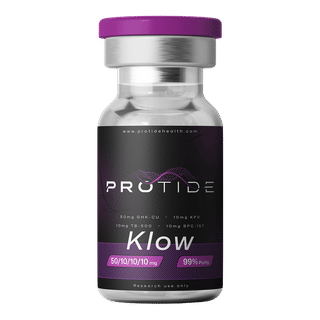
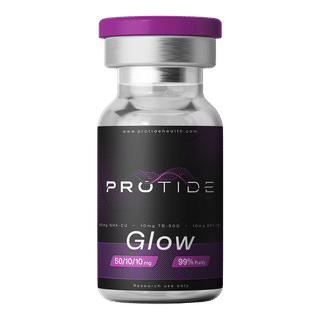
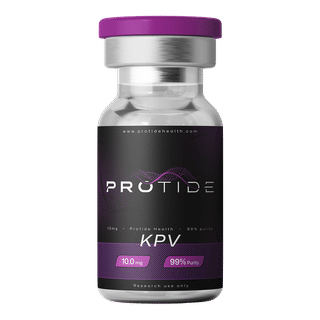
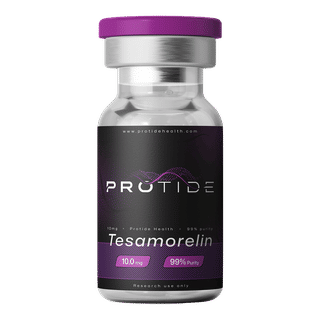
Shop research peptides
Live pricing from our top-rated vendor. Prices update as vendor listings change.
Pros | Cons |
|---|---|
Dual mechanism addresses both collagen synthesis and collagen breakdown in one complex | Clinical evidence is primarily manufacturer-sponsored; large independent replications are limited |
Excellent safety profile with no reported irritation at cosmetic use levels; suitable for all skin types including sensitive | Requires 8 to 12 weeks of consistent use before visible results; slower payoff than some actives |
Available at accessible price points from $11 without requiring a prescription or professional treatment | Effective concentration (2% or higher) is not always disclosed on labels, making product selection difficult |
Price range: Wide, from budget to prestige. The Ordinary Matrixyl 10% + HA serum retails at approximately $11, making it the most affordable clinical-concentration option. Mid-range serums from brands like No7 run $20 to $35. Prestige formulations incorporating Matrixyl alongside other actives can reach $60 to $100 or more, though higher price does not reliably indicate higher peptide concentration.
Expert insight: "The peptides in Matrixyl 3000 work effectively to stimulate the production of collagen and elastin within the cell, staving off signs of premature aging, and improving the overall texture of the skin," says Dr. Ava Shamban, M.D., a board-certified dermatologist and founder of Ava MD and SKINFIVE clinics in Los Angeles. She recommends confirming a product lists palmitoyl peptides high enough on the ingredient deck to ensure a meaningful concentration.
2. Copper Peptides (GHK-Cu) (Copper Tripeptide-1)

Best for: Aging or mature skin that has lost firmness and elasticity, as GHK-Cu simultaneously stimulates collagen synthesis, promotes skin remodeling, and reduces oxidative stress at the cellular level.
What it is: Copper Tripeptide-1 (INCI: Copper Tripeptide-1) is a naturally occurring complex of three amino acids (glycine, histidine, and lysine) bound to a copper ion, first isolated from human plasma in 1973 by biochemist Dr. Loren Pickart. It is classified as a carrier peptide, meaning its primary role is to deliver copper, an essential trace mineral, directly to cellular targets including fibroblasts and keratinocytes. GHK is naturally present in human serum at around 200 ng/mL at age 20 but declines to approximately 80 ng/mL by age 60, which corresponds with the slowdown in skin repair seen with aging.
How it works: GHK-Cu acts as a biological signaling molecule that operates through epigenetic modulation, influencing an estimated 31.2% of human genes by either activating or deactivating them according to research published via EurekAlert. At the skin level, it stimulates fibroblasts to produce Type I and Type III collagen as well as elastin, proteoglycans, and glycosaminoglycans, while simultaneously activating superoxide dismutase to neutralize free radicals. It also promotes the breakdown of abnormal, cross-linked collagen in aged or scarred tissue and replaces it with healthier structural proteins, producing measurable improvements in firmness and skin density over time.
Key benefits:
Collagen and elastin stimulation: GHK-Cu directly activates fibroblast collagen synthesis, with a 1998 human study showing copper tripeptide increased collagen in 70% of subjects versus 50% for vitamin C and 40% for tretinoin.
Antioxidant defense: By upregulating superoxide dismutase and blocking oxidation-promoting iron release, GHK-Cu helps neutralize free radical damage that accelerates photoaging and collagen breakdown.
Skin remodeling and repair: GHK-Cu breaks down stiff, abnormal collagen in aged tissue while promoting synthesis of organized collagen fibers via decorin, improving skin texture, density, and overall structural integrity.
What the research says: A clinical trial led by Wayne Carey, MD (Professor of Dermatology, McGill University) of 21 subjects using a GHK-Cu gel formulation for three months found an average 28% increase in subdermal echogenic density (a measure correlating to collagen and elastin volume), with the top-responding quartile achieving a 51% improvement, as reported via EurekAlert. Earlier clinical studies documented in multiple peer-reviewed papers, including a review published at PMC/NIH, found that a facial cream containing GHK-Cu applied daily for three months by 71 women with mild to advanced photoaging increased skin density and thickness while reducing sagging and fine lines. A parallel trial of 41 women using a GHK-Cu eye cream for three months produced superior results versus both placebo and vitamin K cream for wrinkle reduction and skin thickness. Most mechanistic research remains in-vitro or in small clinical cohorts, and large-scale, double-blind RCTs are still limited.

How to use it:
Form: Most commonly found in serums and facial oils; also available in eye creams and targeted repair creams.
When: Evening use is preferred, as GHK-Cu is incompatible with vitamin C and strong acids commonly used in morning routines; morning use is possible in a simplified routine free of those actives.
Layer order: Apply after cleansing and toning, before moisturizer; use on clean, dry skin so copper ions are not diluted or deactivated before absorption.
Pair with: Hyaluronic acid (hydrates without interfering with copper ion delivery); niacinamide (compatible and complementary for barrier support).
Avoid pairing with: High-strength vitamin C (L-ascorbic acid), AHAs, BHAs, and retinoids in the same application; these can degrade the peptide or cause irritation; alternate with retinoids on different nights rather than layering.
Pros | Cons |
|---|---|
Strong clinical and in-vitro evidence for collagen stimulation and skin density improvements | Most rigorous trials have small sample sizes (21-71 subjects); large-scale RCTs remain limited |
Multifunctional: simultaneously repairs, firms, and protects via antioxidant activity | Incompatible with vitamin C, AHAs, and retinoids, requiring careful routine scheduling |
Well-tolerated for most skin types including sensitive skin; anti-inflammatory properties reduce irritation risk | Potential for increased facial hair growth with prolonged high-concentration use, per Dr. Todorov's clinical observations |
Price range: Mid-range to prestige; standalone GHK-Cu serums range from approximately $32 (The Ordinary Multi-Peptide + Copper Peptides 1% Serum) to $62-$93 for copper isolate formulas (ProGlow) and up to $199 for luxury options (Allies of Skin). Most effective serums fall in the $40-$100 range.
Expert insight: Dr. Jennifer Gordon, MD, board-certified dermatologist at Westlake Dermatology, states: "Copper peptides are scientifically grounded ingredients that support skin repair, collagen production, and overall skin health," while noting they "are not a miracle anti-aging solution and should not replace retinoids or in-office treatments." For patients seeking stronger skin resilience and barrier repair, she recommends copper peptides as a valuable addition when used consistently and scheduled separately from incompatible actives.
3. Argireline (Acetyl Hexapeptide-8)
Shop research peptides
Live pricing from our top-rated vendor. Prices update as vendor listings change.
Best for: People with expression lines and dynamic wrinkles, particularly around the eyes and forehead, who want a topical alternative or complement to neurotoxin injections without needles.

What it is: Argireline (INCI: Acetyl Hexapeptide-8; formerly called Acetyl Hexapeptide-3) is a synthetic hexapeptide developed by the Spanish biotechnology company Lipotec and introduced to the cosmetic market in the early 2000s. It is classified as a neurotransmitter-inhibiting peptide, a category distinct from signal peptides (which stimulate collagen) or carrier peptides (which deliver minerals). At the cellular level, it targets the SNARE protein complex at the neuromuscular junction, specifically competing with SNAP-25 (synaptosomal-associated protein 25), one of three proteins required for synaptic vesicle fusion and acetylcholine release.
How it works: Argireline is a fragment derived from the N-terminal end of SNAP-25 and acts as a competitive inhibitor of that protein. When applied topically, it competes with endogenous SNAP-25 for binding to syntaxin-1, producing an incomplete SNARE complex that lacks the full set of alpha-helical zippers required for productive membrane fusion. The result is reduced acetylcholine release at the neuromuscular junction, which moderates the intensity of repeated facial muscle contractions, the contractions that etch expression lines and crow's feet into skin over time. Unlike botulinum toxin, which cleaves SNAP-25 outright, Argireline works as a partial competitive inhibitor, producing a milder, reversible effect that does not paralyze the muscle.
Key benefits:
Reduces expression-line depth: By moderating the release of acetylcholine at the neuromuscular junction, Argireline lessens the repetitive muscle contractions that carve forehead lines, crow's feet, and glabellar lines into skin.
Compatible with sensitive skin: Argireline has a favorable safety profile, with acute toxicity rated at >=2000 mg/kg compared to approximately 20 ng/kg for botulinum toxin, making it well-tolerated even for reactive or sensitized skin.
Boosts moisturization: Clinical studies on Argireline have also recorded improved skin moisture levels alongside wrinkle-depth reduction, likely due to its humectant properties in aqueous formulations.
What the research says: A 2013 randomized, placebo-controlled study by Wang et al. (American Journal of Clinical Dermatology, Vol. 14, No. 2, pp. 147-153) enrolled 60 subjects applying Argireline or placebo twice daily for four weeks. Subjective anti-wrinkle efficacy in the Argireline group reached 48.9% versus 0% in the placebo group, and objective roughness parameters decreased significantly (p < 0.01) in the active group. An earlier manufacturer-sponsored study of 10 female volunteers applying a 10% solution twice daily for 30 days showed an average periorbital wrinkle-depth reduction of 30% by silicone replica analysis. A 2023 double-blind split-face study by Helga Henseler (GMS Interdisciplinary Plastic and Reconstructive Surgery DGPW) using the Visia Complexion Analysis system in 19 female participants found no statistically significant difference between the Argireline-treated and untreated sides (p = 0.829), concluding the ingredient showed far lower efficacy than botulinum toxin; this study's small sample and four-week window are notable limitations. Taken together, the evidence supports a modest, real-world wrinkle-softening effect, meaningful for a topical, but not comparable to injectable neurotoxins.
How to use it:
Form: Most commonly found in water-based serums and lightweight eye serums; less frequently in moisturizers or eye creams where it may be combined with other peptides.
When: Evening use is optimal. Vitamin C serums (which perform better at low pH) can destabilize peptides if applied simultaneously; applying Argireline at night and vitamin C in the morning sidesteps this incompatibility. It can also be used morning and evening if vitamin C is kept to a separate step.
Layer order: Apply after cleansing and toning, before moisturizer and SPF. As a water-based serum it should go on before oil-based products or heavier creams.
Pair with: Hyaluronic acid (enhances hydration and may aid delivery in the same formula); niacinamide (complementary barrier-support without pH conflict).
Avoid pairing with: Strong exfoliating acids (AHAs, BHAs) at low pH (below approximately pH 3.5), which can break down peptide bonds and reduce efficacy; use them on alternate nights or at a different time of day.
Pros | Cons |
|---|---|
Well-documented mechanism targeting a real biological pathway (SNARE complex / SNAP-25) | Clinical evidence is mixed; the 2023 split-face study found no statistically significant reduction vs. untreated side |
Accessible price point; effective formulations start under $10 (The Ordinary Argireline Solution 10%) | Results are modest and reversible; must be used continuously to maintain any effect |
Very low toxicity and no reported systemic side effects at topical concentrations | Skin penetration is limited for a molecule this size; delivery technology in the formulation significantly affects real-world performance |
Price range: Budget to mid-range. The Ordinary Argireline Solution 10% retails at approximately $9.70 (Sephora) to $7 (Amazon sale), making it one of the most affordable high-concentration options available. Mid-range serums from brands like Biopelle or Peter Thomas Roth range from $30-$80. Prestige formulations combining Argireline with additional peptides or delivery systems can exceed $100.
Expert insight: Board-certified dermatologist Dr. Natalie M. Curcio has noted: "Argireline (acetyl hexapeptide) and Snap-8 (acetyl octapeptide-3) are choice peptides for their anti-wrinkle effects and serve as complements or alternatives to traditional injectable neurotoxins, especially for patients who do not want to or cannot use them." Board-certified dermatologist Dr. Geeta Yadav, founder of FACET Dermatology, adds context on mechanism: "Argireline is a peptide that mimics the effects of neurotoxins by limiting your nerves' communication with your muscles where it's applied, limiting the muscles' ability to contract."
4. Leuphasyl and Syn-Ake (Neuropeptides)
Best for: Expression lines and dynamic wrinkles in people who want a topical neuromodulator alternative, most effective for forehead lines, crow's feet, and laugh lines caused by repeated facial muscle movement.

What it is: Leuphasyl (Pentapeptide-18, INCI: Pentapeptide-18) and Syn-Ake (INCI: Dipeptide Diaminobutyroyl Benzylamide Diacetate) are two distinct neurotransmitter-inhibiting peptides that are frequently combined in formulations for enhanced wrinkle reduction. Leuphasyl is a synthetic five-amino-acid peptide (sequence: Tyr-D-Ala-Gly-Phe-Leu, CAS 64963-01-5) developed by Lipotec and structurally modeled on natural enkephalins, the body's endogenous opioid signaling molecules. Syn-Ake is a synthetic tripeptide (H-beta-Ala-Pro-Dab-NH-benzyl x 2 AcOH) developed by DSM-Firmenich that mimics the neurotoxic peptide Waglerin-1 found in Temple Viper (Tropidolaemus wagleri) venom, targeting nicotinic acetylcholine receptors at the neuromuscular junction. Both are classified as neurotransmitter-inhibiting peptides that act at the nerve-muscle interface rather than deeper cellular structures.
How it works: Leuphasyl binds to enkephalin receptors on nerve cell surfaces, triggering an intracellular cascade that closes calcium channels and opens potassium channels, reducing neuronal excitability and decreasing acetylcholine release at the neuromuscular junction, relaxing the muscle contractions responsible for expression lines without causing paralysis. Syn-Ake works through a complementary but distinct mechanism: it acts as a reversible antagonist of muscular nicotinic acetylcholine receptors (nAChRs), directly blocking the receptor site so acetylcholine cannot bind, preventing sodium uptake and keeping facial muscle cells in a relaxed state. Because the two peptides target different stages of the same neuromuscular signaling pathway, combining them produces a synergistic effect beyond what either achieves alone, similar to how Leuphasyl is paired with Argireline in the commercial blend Argirelox.
Key benefits:
Dynamic wrinkle reduction without paralysis: Both peptides modulate rather than eliminate muscle activity, softening expression lines while preserving natural facial movement.
Complementary dual-pathway action: Leuphasyl inhibits acetylcholine release upstream (at the nerve); Syn-Ake blocks the receptor downstream (at the muscle), so combined use targets the full signaling cascade for greater efficacy.
Suitable for sensitive skin and delicate zones: Both peptides carry strong tolerability profiles with no documented skin irritation or allergic reactions in clinical testing, making them appropriate for the eye and lip areas.
Shop research peptides
Live pricing from our top-rated vendor. Prices update as vendor listings change.
What the research says: A 60-day in-vivo study using a 2% Leuphasyl cream applied twice daily demonstrated a 34.7% reduction in forehead wrinkle depth and a 28.4% reduction in periorbital wrinkle depth (Scantifix/Lipotec published data). A separate 28-day trial at 5% concentration showed an 11.64% wrinkle depth reduction; when combined with 5% Argireline, the average reduction reached 24.62% with maximum values up to 46.53%, confirming synergistic effects (INCIDecoder/Lipotec manufacturer data). For Syn-Ake, DSM-Firmenich's 28-day in-vivo study using 4% Syn-Ake on 100 volunteers (25 per group) showed a 21% improvement in skin smoothness, a 15-20% reduction in wrinkles (maximum up to 52% in the eye contour area), with measurable smoothing in 80% of volunteers and evident wrinkle reduction in 73%, a result published alongside the Swiss Technology Award Syn-Ake received in 2006. Peer-reviewed authors Fosca Errante et al. (University of Florence, Laboratory of Peptide and Protein Chemistry and Biology, PMC7662462, 2020) confirmed both peptides' mechanisms and noted the Syn-Ake clinical data is currently from manufacturer studies, with independent replication limited.
How to use it:
Form: Most commonly found in serums and eye serums; also appears in ampoules, emulsions, and targeted eye creams. Examples include The Ordinary Multi-Peptide + HA Serum (contains the Leuphasyl/Argireline combination as ARGIRELOX) and Secret Key, Filorga, and Kate Somerville products (Kate Somerville HydraKate Line Release Serum, ~$150).
When: Morning and/or evening; these peptides have no photosensitivity concerns, so twice-daily use as shown in clinical trials is appropriate. Consistent daily application for at least 4-8 weeks is needed before visible results.
Layer order: Apply to clean, dry skin after cleansing and toning, before moisturizer and SPF. As lightweight serums, they belong in the mid-routine "active" step.
Pair with: Hyaluronic acid (supports skin hydration and helps carry peptides to target sites); other signal peptides like Matrixyl or GHK-Cu (complementary mechanisms: neuropeptides relax muscle-driven lines while signal peptides rebuild extracellular matrix, addressing two different wrinkle causes simultaneously).
Avoid pairing with: High-concentration direct acids (AHAs/BHAs at pH below 4.0) in the same application step; peptide bonds can hydrolyze in very low-pH environments, reducing efficacy. Apply acid exfoliants separately (alternate AM/PM or different evenings). Formulations should maintain pH 5.0-6.5 for optimal peptide stability.
Pros | Cons |
|---|---|
Dual-pathway mechanism means greater wrinkle reduction when both are combined than from single-peptide formulas | Available clinical studies for Syn-Ake are currently manufacturer-sponsored; independent peer-reviewed replication is limited |
Strong tolerability profile; no documented irritation, making them accessible for all skin types including sensitive | Require consistent daily use over 4-8 weeks before visible results; no immediate visible tightening |
Topical, reversible effect that relaxes expression lines without immobilizing facial muscles | Effective concentration (2-5% Leuphasyl; 4% Syn-Ake) can make single-peptide serums moderately expensive; budget multi-peptide blends may use lower concentrations |
Price range: Mid-range to prestige. The Ordinary Multi-Peptide + HA Serum (which includes the Leuphasyl/Argireline ARGIRELOX blend) retails around $20-$25, making it one of the most accessible entry points. Dedicated neuropeptide serums from brands like Filorga typically run $50-$80. Kate Somerville's HydraKate Line Release Serum containing Leuphasyl retails at approximately $150, placing it in the prestige tier. Most mid-range serums with meaningful concentrations of these peptides fall in the $40-$80 range.
Expert insight: Fosca Errante, peptide chemist at the University of Florence's Laboratory of Peptide and Protein Chemistry and Biology and co-author of the 2020 peer-reviewed review "Cosmeceutical Peptides in the Framework of Sustainable Wellness Economy" (PMC7662462), describes Syn-Ake as functioning through "a reversible antagonism of muscular nicotinic ACh receptors, preventing ACh binding to the receptor," emphasizing that the effect is temporary and fully reversible, distinguishing it mechanistically from injectable neuromodulators that cause prolonged muscle blockade.
5. Palmitoyl Tripeptide-38 (Matrixyl Synthe'6)
Best for: Aging skin with visible wrinkles and loss of firmness, particularly those targeting forehead lines, crow's feet, and overall skin texture; this peptide rebuilds the skin's structural matrix at both the epidermal and dermal levels.

What it is: Palmitoyl Tripeptide-38 (INCI name: Palmitoyl Tripeptide-38) is a synthetic signal peptide sold under the trade name Matrixyl Synthe'6, developed by Sederma (a subsidiary of Croda International). It is derived from the naturally occurring tripeptide sequence Lys-Met-Lys (KMK), found in collagen VI and laminin, conjugated with a lipophilic palmitoyl chain to enhance skin penetration. At the cellular level, it functions as a matrikine mimic, a molecule that signals skin cells to ramp up extracellular matrix (ECM) production by targeting fibroblasts in the dermis and keratinocytes in the epidermis.
How it works: Palmitoyl Tripeptide-38 binds to surface receptors on fibroblasts and keratinocytes, activating intracellular signaling cascades that upregulate gene expression for six major structural skin components: collagen I, collagen III, collagen IV, fibronectin, hyaluronic acid, and laminin-5. In the epidermis, it promotes laminin and fibronectin synthesis, reinforcing the dermal-epidermal junction (DEJ). In the dermis, it stimulates collagen and hyaluronic acid production while also modulating matrix metalloproteinase (MMP) activity to reduce excessive ECM breakdown. The net result is increased dermal density, improved skin firmness, and reduction in wrinkle depth.
Key benefits:
Multi-target matrix repair: Stimulates six major skin matrix components simultaneously, collagen I, III, and IV, fibronectin, hyaluronic acid, and laminin-5, offering broader structural rebuilding than most single-action peptides.
Clinically documented wrinkle reduction: In a manufacturer-conducted 2-month clinical test at 2% concentration, participants showed forehead wrinkle volume reduction of 31%, depth reduction of 16.3%, and lifting improvement of 28%; crow's feet surface area decreased by 28.5%.
Dermal-epidermal junction reinforcement: By boosting laminin-5 and fibronectin at the DEJ, the peptide improves the structural anchor between skin layers, contributing to firmer, more resilient skin texture.
What the research says: A 2020 peer-reviewed study by Lintner, Gerstein, and Solish, published in the Journal of Cosmetic Dermatology, evaluated a serum containing palmitoyl tripeptide-38 (5 ppm), l-ascorbic acid (15%), and tocopheryl acetate in women aged 40 and older with visible photoaging signs, applied once daily for 56 days. Results showed a statistically significant 8%-9% reduction in skin roughness parameters, a 9% decrease in redness, and an 8% improvement in skin tone homogeneity; 71% of participants showed significant wrinkling improvement and 68% demonstrated significant improvement in periorbital isotropy at 1 month (PubMed ID: 33103342). A separate review by Schagen (2017), published in Cosmetics (MDPI, vol. 4, article 16), reviewed topical peptide treatments including palmitoyl-chain signal peptides and confirmed their role in stimulating collagen synthesis and reinforcing the epidermis, noting efficacy comparable to retinoic acid without associated irritation. Manufacturer in-vitro data from contracted collagen lattice assays supports the 6-target mechanism, though these are company-sponsored studies and independent replication remains limited.
How to use it:
Form: Most commonly found in serums and lightweight facial treatments; also used in eye serums, gel-cream moisturizers, and targeted wrinkle-filler products. The Ordinary, NIOD, Dermalogica, and Peter Thomas Roth all carry formulations containing this peptide.
When: Morning and/or evening; palmitoyl tripeptide-38 is not photosensitive and is stable in daylight, making it suitable for twice-daily use. The 2-month clinical protocol applied it twice daily.
Layer order: Apply after cleansing and toning, before heavier creams or facial oils. As a serum ingredient, it should sit close to the skin for best absorption.
Pair with: Vitamin C (enhances collagen pathway via a different mechanism, used together in the Lintner 2020 study with documented results); niacinamide (supports skin barrier and complements matrix repair).
Avoid pairing with: Strong acids at low pH (below pH 4), such as high-concentration glycolic acid or AHA/BHA exfoliants applied simultaneously; low pH environments can degrade peptide bonds. Use actives at separate times if combining.
Pros | Cons |
|---|---|
Targets six structural skin components in one ingredient, among the broadest matrix-repair coverage of any single peptide | Manufacturer clinical data is largely proprietary (Sederma-sponsored); independent peer-reviewed replication is limited |
Well-tolerated, non-irritating, and suitable for sensitive skin with no known photosensitivity | Low effective concentrations (5 ppm in published serum study) mean formulation quality and delivery system matter significantly |
Found across budget and prestige price points, including widely accessible options like The Ordinary at under $20 | Results require consistent use over 8+ weeks; short-term use is unlikely to produce visible changes |
Price range: Mid-range to budget-friendly, with meaningful access across price points. The Ordinary Matrixyl 10% + HA retails around $8-$12, making it one of the most accessible options. Mid-range serums from brands like Timeless Skin Care run $20-$35. Prestige formulations from Peter Thomas Roth or NIOD can reach $60-$100+. Effective concentrations can be found at the lower end of this range.
Expert insight: Karl Lintner, a cosmetic chemist and lead author of the 2020 Journal of Cosmetic Dermatology peer-reviewed study on this peptide, concluded that the serum combination produced "progressive improvements of skin evenness, radiance, and the appearance of wrinkles" over the 56-day trial, one of the more rigorously measured commercial demonstrations of palmitoyl tripeptide-38's skin-remodeling capacity (Lintner K et al., J Cosmet Dermatol, 2020, PubMed ID 33103342). Dr. Stephanie Schagen, whose 2017 review in Cosmetics (MDPI) examined topical peptide treatments across the clinical literature, identified palmitoyl-chain signal peptides as capable of driving collagen synthesis with a tolerability profile that compares favorably to retinoic acid, noting measurable improvements in wrinkle parameters without the irritation commonly associated with retinoid use.
Shop research peptides
Live pricing from our top-rated vendor. Prices update as vendor listings change.
How to Add Peptides to Your Skincare Routine
Building a peptide skincare routine is less about which products you use and more about when and in what order you use them. Peptides are pH-sensitive, and some are incompatible with the actives most routines already include (vitamin C, acids, retinoids), so scheduling matters as much as ingredient selection.
Morning routine: Signal peptides (Matrixyl, Palmitoyl Tripeptide-38) and neurotransmitter-inhibiting peptides (Argireline, Leuphasyl, Syn-Ake) are all photostable and work well in the morning. Apply your peptide serum after cleansing and any water-based essences, before moisturizer and SPF. If you use vitamin C in the morning, Palmitoyl Tripeptide-38 pairs well with it; Argireline and GHK-Cu do not. Keep vitamin C and copper peptides in separate routines.
Evening routine: This is where GHK-Cu fits best, as it needs to be kept away from the vitamin C and acids that typically appear in morning steps. Apply your copper peptide serum after cleansing, then follow with a moisturizer. If you use retinoids, schedule them on alternating nights rather than layering with copper peptides in the same application. Argireline and the neuropeptides are also effective in the evening for twice-daily users.
Layering order (general): Thinnest to thickest. Water-based peptide serums go on clean skin before heavier moisturizers and facial oils. If combining peptide serums with exfoliating acids, apply the acid on a separate night or at a different time of day, as pH levels below 4 can hydrolyze peptide bonds before they reach target receptors.
What to avoid stacking: Never layer GHK-Cu with high-strength L-ascorbic acid vitamin C, AHAs, or BHAs in the same application. The copper ions are sensitive to oxidation, and the acidic pH environment degrades the peptide's delivery capacity. Signal peptides like Matrixyl are more forgiving and tolerate most actives when kept in a neutral pH range of 5.0 to 7.0.
Realistic timeline: Expect visible changes at 8 to 12 weeks of consistent use for signal peptides. Neurotransmitter-inhibiting peptides tend to show softening of expression lines more quickly (some users report changes at 4 to 6 weeks), but results are reversible and require continued daily use to maintain.
Frequently Asked Questions About Skincare Peptides
What are peptides in skincare?
Peptides in skincare are short chains of amino acids that function as biological messengers, signaling skin cells to carry out specific repair or maintenance tasks. Different peptide types serve entirely different functions: signal peptides (like Matrixyl) tell fibroblasts to produce more collagen; carrier peptides (like GHK-Cu) transport trace minerals to cellular targets; and neurotransmitter-inhibiting peptides (like Argireline) reduce acetylcholine release to soften muscle contractions that cause expression lines. Topical skincare peptides are distinct from dietary collagen supplements, which are digested into amino acids via the gut before reaching the bloodstream. Skincare peptides are formulated to penetrate the skin barrier and act locally.
What do peptides do for your skin?
Peptides produce three primary outcomes depending on their type. Signal peptides stimulate collagen, elastin, and hyaluronic acid synthesis, rebuilding the structural proteins that decline with age and UV exposure. Carrier peptides like GHK-Cu activate skin remodeling and repair pathways, replacing damaged collagen fibers with organized, healthy ones while also defending cells against oxidative stress. Neurotransmitter-inhibiting peptides moderate the facial muscle contractions that etch dynamic wrinkles into skin over time, softening expression lines without paralysis. Results from all three types require consistent use over 8 to 12 weeks before becoming measurable. No peptide produces overnight visible change. For a broader look at what peptides are used for across skin health and other research areas, see our research guide.
What are the benefits of copper peptides for skin?
GHK-Cu (Copper Tripeptide-1) stimulates fibroblasts to produce Type I and Type III collagen and elastin, directly supporting the skin's structural matrix. It also activates superoxide dismutase, a key antioxidant enzyme that neutralizes the free radicals responsible for photoaging and collagen breakdown. In parallel, it promotes the breakdown and remodeling of cross-linked, stiffened collagen in aged tissue, replacing it with organized fiber structures for improved texture and density. Because GHK-Cu is incompatible with high-strength vitamin C, AHAs, BHAs, and retinoids, it is best scheduled in the evening as a standalone active, followed by a plain moisturizer. Most clinical studies show meaningful results with consistent use over 8 to 12 weeks.
Which peptide works like Botox?
Argireline (Acetyl Hexapeptide-8) and Syn-Ake (Dipeptide Diaminobutyroyl Benzylamide Diacetate) are the topical peptides closest to botulinum toxin in mechanism. Argireline competes with SNAP-25 at the SNARE complex, reducing acetylcholine release at the neuromuscular junction and moderating the muscle contractions that etch crow's feet and forehead lines into skin. Syn-Ake blocks the nicotinic acetylcholine receptor directly, preventing acetylcholine from binding and keeping the muscle in a relaxed state. Both produce a milder, reversible effect compared to injectable neurotoxins: they do not paralyze facial muscles and results fade when use is stopped. Leuphasyl adds a third pathway by inhibiting acetylcholine release via enkephalin receptor binding, and when combined with Argireline in the commercial blend Argirelox, the combined effect is synergistically stronger than either peptide alone.
Can you use peptides with retinol?
Peptides and retinol are compatible in a routine but should not be layered in the same application step. The most practical approach is to use peptide serums in the morning and retinol at night, or to alternate: peptide serum on one night, retinol on the next. Copper peptides specifically need to be kept away from retinoids because retinoids are often formulated at a slightly lower pH and the combination can degrade the copper peptide's activity before it reaches target fibroblasts. Signal peptides like Matrixyl are more tolerant of pH variation but still perform best when retinoids are applied at a separate time.
Shop research peptides
Live pricing from our top-rated vendor. Prices update as vendor listings change.
What skincare products have peptides in them?
Skincare products with peptides appear most commonly in serums, which offer the highest concentration and most direct delivery to the skin. After serums, peptides appear in eye creams (where neuropeptides like Argireline are especially common for targeting crow's feet), toners, lightweight moisturizers, and ampoules. Product format matters less than concentration and formulation quality. Effective peptide products should list the INCI name of the peptide within the first half of the ingredient deck; a peptide listed last (near preservatives and fragrance) is almost certainly present at a cosmetically ineffective concentration. The Ordinary offers clinical-concentration peptide serums at accessible price points ($8-$25), while prestige formulations from NIOD, Peter Thomas Roth, and Allies of Skin range from $60 to $199 without reliably offering higher concentrations.
Conclusion
Choosing the right peptide comes down to what kind of aging concern you are addressing, and the five on this list cover the full spectrum. Matrixyl is the most versatile starting point for nearly everyone: well-tolerated, broadly studied, affordable at entry-level, and effective for the collagen loss that underlies most visible aging. It makes sense as the first peptide in any routine. For skin that has moved past fine lines into firmness loss and texture change, Palmitoyl Tripeptide-38 extends the same signal-peptide mechanism to six structural targets simultaneously, making it a natural complement or upgrade within the same category. Both belong in a routine that prioritizes rebuilding the skin's structural foundation over time.
Copper peptides occupy their own lane. GHK-Cu is the right choice when the goal is remodeling rather than just building, replacing stiffened, cross-linked collagen with organized fiber structures while simultaneously activating antioxidant defense. It requires more careful scheduling than signal peptides (no same-night vitamin C or acids), but for mature skin dealing with firmness loss and photoaging, the repair-and-protect dual function is worth the routine adjustment.
For expression lines specifically, Argireline and the Leuphasyl/Syn-Ake combination give you two different entry points into neurotransmitter inhibition. Argireline is the more accessible option, available at budget price points and backed by more independent clinical data. Leuphasyl and Syn-Ake add dual-pathway synergy that goes beyond what Argireline achieves alone, and the combination in Argirelox is one of the more compelling topical wrinkle-softening formulations available at accessible prices. Neither replaces injectable neurotoxins, but both produce real, measurable softening of dynamic wrinkles with consistent use. Peptide research also extends well beyond the skin; for context on anti-aging peptides studied for longevity and cellular health, see our dedicated research guide.
Add a comment
This will be publicly visible.
Your email address will not be published.
Your comment will be reviewed by an admin before it is published.