Reviewed by the PeptideMind Team · Updated August 6, 2026
Survodutide vs Tirzepatide:
Key differences comparison
The main difference between survodutide and tirzepatide is which second receptor each activates alongside GLP-1. Survodutide is a dual GLP-1/glucagon receptor agonist from Boehringer Ingelheim, still in Phase 3 trials and not yet FDA-approved. Tirzepatide is a dual GLP-1/GIP receptor agonist that's already FDA-approved as Mounjaro (diabetes) and Zepbound (weight loss). Both target the same broad goal, appetite reduction and weight loss, through genuinely different hormone pathways.
Weight
sur
Metabolic
VS
Weight
GLP-2
Metabolic
As seen on






What Is Survodutide?
Survodutide is an investigational peptide developed by Boehringer Ingelheim that activates two gut-hormone receptors at once: the GLP-1 receptor and the glucagon receptor. That glucagon component is the key thing that sets it apart from most other GLP-1 medications, since glucagon primarily acts on the liver to increase fat burning and energy expenditure.
A dual GLP-1/glucagon design
Survodutide activates the GLP-1 receptor for appetite control and the glucagon receptor (GCGR) for added fat-burning and energy-expenditure effects in the liver.
Still in Phase 3 trials
Survodutide is being studied in Boehringer Ingelheim's SYNCHRONIZE program for obesity and the LIVERAGE program for MASH (fatty liver disease), with no NDA filed yet.
Where it stands legally
Not FDA-approved and not available as a prescription anywhere yet. Research-grade survodutide sold online is labeled for research use only, not for human use.

What Is Tirzepatide?
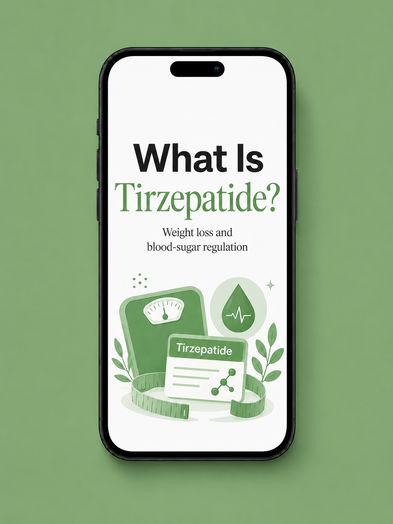
Tirzepatide is a lab-made peptide that activates two different gut-hormone receptors at once, GLP-1 and GIP, instead of relying on GLP-1 alone. That dual action is why it's linked to some of the strongest weight-loss and blood-sugar results of any approved medication in its class, and it's already available by prescription.
A dual GLP-1/GIP design
Tirzepatide activates both the GIP and GLP-1 receptors, combining two hormone pathways that mainly work on insulin regulation and appetite.
What it's best known for
Sold as Mounjaro for type 2 diabetes and Zepbound for chronic weight management, both FDA-approved and backed by large, completed Phase 3 trials.
Where it stands legally
FDA-approved as a prescription medication under both brand names. Research-grade tirzepatide sold online is not approved for human use and is labeled for research only.
Survodutide vs Tirzepatide at a Glance
A side-by-side look at how survodutide and tirzepatide differ in how they work, how they're dosed, and where each stands legally.
Overview
- Type
- Single peptide
- Primary category
- Weight
- Secondary categories
- Metabolic
- Research status
- Phase 3
- FDA approved
- Not FDA approved
- Popularity
- 7/10
- Body targets
- MetabolicGut
- Price range
- Human trial status
- Human RCTs
- Legal status
- Research chemical
- WADA status
- Not banned
Dosing
- Dose
- 1.2–4.8 mg
- Frequency
- Weekly
- Cycle
- 12–24 weeks
- Route of administration
- Subcutaneous
- Common vial sizes
- 5mg10mg+1
Research
- Molecular weight
- 4231.62 g/mol
- Half-life
- 144 hrs
- Median onset
- —
- Prescription alternative
- Has alternative
- Receptor target
- GLP1RGCGR
- Receptor action
- Agonist
- Mechanistic pathways
- GLP1 Receptor AgonismGLP1 Glucagon DUAL Agonism
Included in
Overview
- Type
- Single peptide
- Primary category
- Weight
- Secondary categories
- Metabolic
- Research status
- Fda Approved
- FDA approved
- FDA approved
- Popularity
- 10/10
- Body targets
- MetabolicGut
- Price range
- $51.00 – $400.00
- Human trial status
- FDA approved
- Legal status
- FDA-approved drug
- WADA status
- Not banned
Dosing
- Dose
- 2.5–15 mg
- Frequency
- Weekly
- Cycle
- 16–48 weeks
- Route of administration
- Subcutaneous
- Common vial sizes
- 5mg10mg
Research
- Molecular weight
- 4813.45 g/mol
- Half-life
- 120 hrs
- Median onset
- 21 days
- Prescription alternative
- Has alternative
- Receptor target
- GLP1RGIPR
- Receptor action
- Agonist
- Mechanistic pathways
- GLP1 Receptor AgonismGLP1 GIP DUAL Agonism
Included in
Our top-rated vendor
Our rankings are based solely on third-party lab testing rigor, COA transparency, and pricing, no paid placements, no affiliate influence. We update this list as new data comes in.
Based on current scores, this vendor ranks highest across those criteria.

Comparison at a Glance: Survodutide vs Tirzepatide
A quick side-by-side look at how survodutide and tirzepatide differ in mechanism, trial evidence, and where each stands legally, since that's the part most people searching this comparison actually want to know.
Different second receptor, similar goal
Tirzepatide pairs GLP-1 with GIP, a pathway tied to insulin regulation. Survodutide pairs GLP-1 with glucagon, a pathway that acts on the liver to increase fat burning and energy expenditure. Both aim at appetite and weight, but through genuinely different chemistry.
Trial evidence is at a different stage
Tirzepatide's SURMOUNT trials are complete and show roughly 20% average weight loss at 72 weeks. Survodutide's SYNCHRONIZE-1 Phase 3 trial reported about 16.6% weight loss at its higher dose, with fuller data and additional trials still to report.
Availability is the biggest practical difference
Tirzepatide is FDA-approved and available by prescription today as Mounjaro or Zepbound. Survodutide is still investigational, with no NDA filed and an earliest realistic approval around 2028 if Phase 3 results hold up.
Side-effect pattern is similar, severity may differ
Both cause gastrointestinal side effects like nausea and diarrhea during dose escalation. Survodutide's glucagon activity has also been linked to a slight, transient increase in heart rate not typically seen with tirzepatide.
Survodutide Dosage Guide for Weight LossSurvodutide Dosage Calculator
Survodutide is an experimental weekly injection being studied for weight loss. It works by curbing appetite and boosting the number of calories your body burns, and early studies show it also helps with a liver condition called MASH.
Vial size
5 mg
Bacteriostatic water
2 mL
Dosing
1.2–4.8 mg
Frequency
Weekly
Cycle
12–24 weeks
Benefit
Weight Loss
GLP-2 (Tirzepatide) Dosage Guide for Weight LossGLP-2 (Tirzepatide) Dosage Calculator
This is Tirzepatide, a medication that activates two gut hormone pathways (GIP and GLP-1) to help with weight loss and blood sugar. Dosing starts at 2.5 mg once weekly for four weeks, then moves to 5 mg, and can rise in 2.5 mg steps every four weeks up to a maximum of 15 mg. Maintenance doses are 5, 10, or 15 mg weekly. Some people use very small 'microdoses' of 0.5 mg or less, or split the weekly dose into two injections, to reduce side effects. Splitting doses has shown to lower the peak blood level by roughly 28%, which is the usual explanation for less nausea.
Vial size
10 mg
Bacteriostatic water
2 mL
Dosing
2.5–15 mg
Frequency
Weekly
Cycle
16–48 weeks
Benefit
Weight Loss
Survodutide vs Tirzepatide: Which Should You Research?
These two aren't combined with each other since they overlap heavily on the GLP-1 pathway. The choice mostly comes down to whether the research question calls for an already-approved, extensively studied option, or an investigational compound whose liver- and fat-metabolism angle is still being tested.
If an FDA-approved, well-studied option is the priority
Tirzepatide has completed Phase 3 trials, FDA approval, and years of real-world prescribing behind it, which survodutide doesn't have yet.
If the glucagon/liver-metabolism angle is the research focus
Survodutide's added glucagon receptor activity is being studied specifically for its effect on liver fat and energy expenditure, including a dedicated MASH (fatty liver disease) trial program.
Neither is a casual research chemical
Tirzepatide is an FDA-approved prescription drug. Survodutide is an investigational compound still in clinical trials. Research-grade versions of both sold online are labeled for research only and are not intended for self-administration.

Frequently Asked Questions: Survodutide vs Tirzepatide
Straight answers on how survodutide and tirzepatide compare, and where each stands. For research reference only.
Survodutide vs Tirzepatide: Dosing Basics
Both peptides are dosed once weekly, but tirzepatide's dosing is an FDA-approved protocol while survodutide's is still a clinical-trial dosing range that could change before or if it's approved.
Survodutide dosing (trial protocol)
Studied at 1.2-4.8 mg/week, injected once weekly, over trial cycles of roughly 12 to 24 weeks. This range comes from clinical trials, not an approved label.
Tirzepatide dosing (FDA-approved)
Starts at 2.5 mg/week, increasing every 4 weeks up to a 5-15 mg/week maintenance dose, injected once weekly, typically used over 16 to 48 weeks.
Use a peptide-specific calculator
Vial concentration and reconstitution volume change the actual draw for either peptide. Use a dosage calculator to get an exact number instead of guessing from a general range.

Trial and Approval Timeline: What to Expect
Tirzepatide's timeline is already complete, it's an approved medication today. Survodutide's timeline is still unfolding, and the milestones below outline what's left before it could reach the same point.
Where tirzepatide stands
Tirzepatide completed its SURMOUNT and SURPASS trial programs, earned FDA approval as Mounjaro (2022) and Zepbound (2023), and is now a widely prescribed medication with years of real-world data.
Where survodutide stands now
Survodutide is running Phase 3 trials in the SYNCHRONIZE (obesity) and LIVERAGE (MASH) programs. SYNCHRONIZE-1 has reported early results, with fuller data, including longer-term and secondary endpoints, still to come.
What's left before approval
Boehringer Ingelheim still needs complete Phase 3 data across its trial programs and an FDA filing, none of which has happened yet. Industry estimates place the earliest realistic approval around 2028, assuming results continue to hold up.

Other Comparisons
Weight
GLP-2
Metabolic
Weight
GLP-1
Metabolic
Tirzepatide vs Semaglutide: Key differences comparison
Tirzepatide activates two gut-hormone receptors (GIP and GLP-1). Semaglutide activates only GLP-1. Here's how tirzepatide and semaglutide compare on weight loss, side effects, cost, and safety.
Weight
GLP-3
Metabolic
Weight
GLP-2
Metabolic
Retatrutide vs Tirzepatide: Key differences comparison
Retatrutide is a triple GIP/GLP-1/glucagon receptor agonist that has produced the largest average weight loss seen in a Phase 3 obesity trial to date, but it's still investigational. Tirzepatide is a dual GIP/GLP-1 receptor agonist that's FDA-approved and available today. Here's how retatrutide and tirzepatide compare.
Healing
Bpc
Longevity
Healing
Tb5
Longevity
BPC-157 vs TB-500: The Wolverine peptide stack comparison
BPC-157 acts locally at the site of injury. TB-500 acts systemically through the bloodstream. Here's how BPC-157 and TB-500 compare, and why they're often combined into the Wolverine Stack.