Reviewed by the PeptideMind Team · Updated August 5, 2026
TB-500 Peptide Dosage Calculator, Side Effects & Legal Status
Use our free TB-500 peptide (Thymosin Beta-4 fragment) dosage calculator to get precise injection protocols, cycle length, and reconstitution amounts for tendon, muscle & injury recovery. See benefits, side effects & legal status.
As seen on






TB-500 Dosage Schedule
Starts with a higher frequency loading phase to jumpstart tissue repair, then steps down to a lower, ongoing maintenance dose once the initial recovery gains are established.
Loading Then Maintenance Recovery Protocol
an ongoing run with no fixed end date with the dose increasing over time, focused on healing and recovery.
2 days per week
Taken Monday and Thursday.
2–3 mg
Starts at 2 mg and increases to 3 mg over 2 phases as your body adjusts. Injected just under the skin in the abdomen or thigh.
TB-500 helps regenerate tissue and reduce inflammation. The 4-6 week schedule is a loading phase; after that, protocols typically drop to 2-4 mg every one to two weeks for maintenance.
What is TB-500?
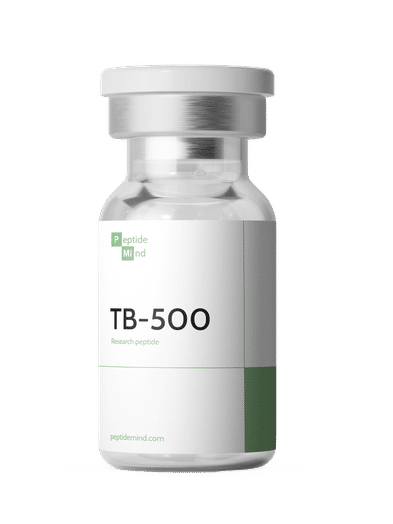
TB-500 is a lab-made peptide based on a small fragment of a natural repair protein found throughout the body (Thymosin Beta-4). It works by helping regulate how cells rebuild their internal structure and by boosting a key blood vessel growth signal, both of which support faster healing. It's used mainly in research and by athletes seeking faster recovery from injuries to muscles, tendons, and ligaments.
Healing
tb5
Longevity
Where to buy TB-500
Compare real-time TB-500 prices from vendors with third-party lab testing (COA), purity, and legitimacy, so you know exactly who's trustworthy before you buy.
Dose size
Chosen on COA purity, third-party testing, and service, no paid placements.

8 of 13 vendors third-party tested, COA purity 99–99.97% across published labs. Prices re-checked 17 days ago.
What Does TB-500 Do?
It binds to a key structural protein inside cells (actin), helping regulate how cells rebuild their internal scaffolding so they can move and close wounds more efficiently. It also boosts a molecule that triggers new blood vessel growth and helps quiet inflammatory signaling at the injury site.
Binds actin
Regulates a key structural protein inside cells.
Helps cells move
Lets cells rebuild their scaffolding to move and close wounds.
Grows vessels, calms inflammation
Boosts a vessel-growth molecule and quiets inflammatory signaling.
TB-500 Targeted areas
Frequently Asked Questions About TB-500
Straight answers on reconstitution, dosing, and safety, everything you need to research with confidence. For research reference only.
TB-500 Reconstitution Guide
TB-500 is supplied as a freeze-dried powder that must be mixed into a injectable solution before use. Available in 2mg, 5mg, 10mg sizes.
10 mg lyophilized vial
TB-500 is supplied as a freeze-dried powder that must be mixed into a injectable solution before use. Available in 2mg, 5mg, 10mg sizes.
3 mL bacteriostatic water
Adding 3 mL of bac water to a 10 mg vial gives a workable concentration for syringe dosing. More water makes microdosing easier; less concentrates each draw.
Storage after mixing
Freeze the dry powder somewhere dry and dark. Once mixed with bacteriostatic water, refrigerate and use within about a month, and don't freeze it once mixed. After reconstitution, keep the vial refrigerated and use within 30 days.
Reconstitution steps
Remove caps & sanitize stoppers
Attach needle to syringe
Draw 3 mL bacteriostatic water
Insert needle into TB-500 vial
Release water gently down the side
Swirl to dissolve — don't shake
Check for full dissolution
Refrigerate TB-500 — good for 30 days
Chemical Makeup
43
Amino Acids
TB-500
Ser
SPosition 1
Asp
DPosition 2
Lys
KPosition 3
Pro
PPosition 4
Asp
DPosition 5
Met
MPosition 6
Ala
APosition 7
Glu
EPosition 8
Ile
IPosition 9
Glu
EPosition 10
Lys
KPosition 11
Phe
FPosition 12
Asp
DPosition 13
Lys
KPosition 14
Ser
SPosition 15
Lys
KPosition 16
Leu
LPosition 17
Lys
KPosition 18
Lys
KPosition 19
Thr
TPosition 20
Glu
EPosition 21
Thr
TPosition 22
Gln
QPosition 23
Glu
EPosition 24
Lys
KPosition 25
Asn
NPosition 26
Pro
PPosition 27
Leu
LPosition 28
Pro
PPosition 29
Ser
SPosition 30
Lys
KPosition 31
Glu
EPosition 32
Thr
TPosition 33
Ile
IPosition 34
Glu
EPosition 35
Gln
QPosition 36
Glu
EPosition 37
Lys
KPosition 38
Gln
QPosition 39
Ala
APosition 40
Gly
GPosition 41
Glu
EPosition 42
Ser
SPosition 43
What Are the Benefits of TB-500?
What research says it may help with, and how it works in the body.
tissue repair
It speeds up healing of muscle fibers and shortens recovery time by helping repair cells travel to the injury site and mature into the cell types needed to fix it.
It helps skin wounds close faster, encourages new blood vessel growth to support healing, and reduces inflammation in both sudden injuries and long-lasting wounds.
It helps repair connective tissue (like tendons and ligaments) with less scarring, and the healed tissue ends up stronger and more functional.
athletic recovery
It helps you bounce back faster from intense workouts, with less muscle soreness and better tissue repair.
By boosting the body's own repair processes, it may strengthen tissues and lower the risk of injury.
It improves the quality of muscle tissue by boosting the body's natural processes for regenerating and repairing it.
neurological
In various research models, it protected nerve cells from damage.
Early lab and animal research shows it improves outcomes after spinal cord injury.
It may protect brain tissue from damage and help it regenerate.
What Are the Side Effects of TB-500?
Who should avoid it, warning signs to watch for, and what to know before combining it with other compounds.
Who Should Avoid It
Active cancer treatment (due to angiogenic effects)
Pregnancy or breastfeeding
Immunosuppressive medications (consult provider)
WADA prohibited for competitive athletes
Stop Right Away If You Notice
Persistent or worsening injection site infections
Unusual swelling or prolonged redness
Severe allergic reactions
Unexpected systemic symptoms
Concerning health changes
Milder Signs to Watch For
Is TB-500 FDA approved?
TB-500 is not an FDA-approved drug. It is intended for research purposes only and is not approved for human consumption, diagnostic, or therapeutic use.
Research Use Only
TB-500 has not been evaluated by the FDA for safety or efficacy in humans.
No Clinical Oversight
Not manufactured under FDA-regulated quality or clinical standards.
Unregulated Sourcing
Purity, dosing, and sourcing are not verified through FDA testing or oversight.

TB-500 Cycle Length: How Long Should It Last?
This breaks down how long a typical TB-500 cycle runs and what research suggests happens at each stage. Research shows that staying on a peptide continuously, without a break, may make it less effective over time.
That's why most research protocols build in a break between cycles, often called a washout period, to let the body reset before starting again.
- Week 1-2
- Reduced inflammation and improved tissue sensation
- Week 2-4
- Accelerated healing rate and improved tissue quality
- Week 4-8
- Maximum tissue repair and regenerative benefits
- Week 6-12
- Continued improvement in tissue strength and function
TB-500 Research References
It is a preclinical compound
TB-500
TB-500 is a preclinical compound
TB-500 pre-treated endothelial cells improved left ventricular function by greater than 50% in post-MI subjects in human clinical trial.
2016
Improved skeletal muscle fiber regeneration in dystrophin-deficient mice, showing potential for muscular dystrophy treatment.
2015
Significant acceleration in wound healing rates in patients with chronic pressure ulcers and venous stasis ulcers compared to placebo in Phase 2 human trial.
2012
Topical TB-500 significantly improved signs and symptoms of moderate to severe dry eye with lasting effects in Phase 2 human trial.
2014
Browse user-created protocols
Real protocols from the community that include TB-500
Weight
GLP-3
Healing
kpv
Healing
bpc
Healing
bpc
Healing
tb5
Healing
bpc
Healing
tb5
Skin
ghk
Healing
bpc
Healing
tb5
Cognitive
ill