How Do I Know If a Peptide Supplier Is Legit? A Verification Guide (2026)
How do I know if a peptide supplier is legit? Verify COAs, HPLC testing, business registration, and RUO compliance before you buy peptides in 2026.
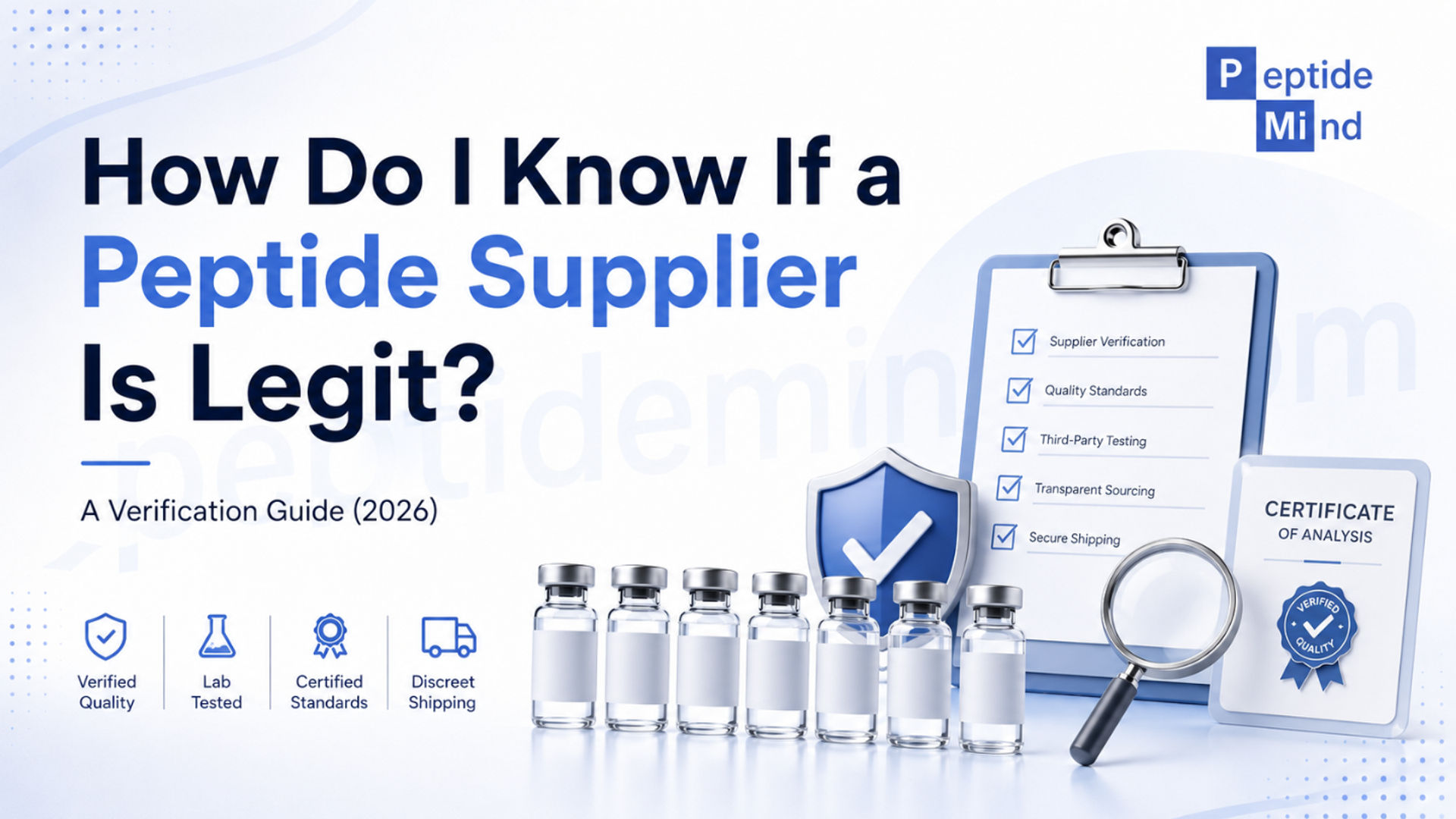

How Do I Know If a Peptide Supplier Is Legit? A Verification Guide (2026)
Last updated: July 12, 2026
A legit peptide supplier provides an independent, recent COA (certificate of analysis) rather than a screenshot or an in-house test. It is transparent about business registration and a physical address you can verify. It markets products as Research Use Only (RUO), without dosing instructions or medical claims. That label itself is a legal marketing designation, not a purity or safety guarantee, so it still pays to verify testing independently. And it can point to third-party lab verification, such as HPLC or mass spectrometry testing, from a named lab you can contact directly. Legit peptide suppliers meet all four of these markers at once, not just one or two. The rest of this guide walks through a step-by-step checklist, the red flags that signal a scam, and a real-world example of what this verification looks like in practice.
Legit Signals vs. Red Flags at a Glance
This table summarizes the full checklist below into a quick scan you can run before you dig into the details.
Legit Supplier Signal | Red Flag |
|---|---|
Independent, third-party lab COA | No COA, or a screenshot-only / in-house-only test |
Unique batch number matching the vial | Missing, generic, or reused batch numbers |
Verifiable business registration and physical address | No address listed, or a P.O. box only |
Products labeled Research Use Only (RUO) | Dosing instructions or medical claims on the listing |
Named, checkable lab (e.g. Janoshik, ACS Lab, MZ Biolabs) | Unnamed or unverifiable testing lab |
Responsive support contact | Unresponsive or anonymous customer support |
Each row above maps to a step in the verification checklist and a corresponding warning sign covered later in this guide.
How to Verify a Peptide Supplier Before You Buy
Here is how to verify a peptide vendor before you place an order, run through these steps in sequence rather than checking them at random.
1. Request and review the COA
Ask for a certificate of analysis before you buy, not after you receive the vial. Even better, the COAs are posted on the suppliers website so you can verify their claims.
A legitimate COA lists the product name, batch number, purity percentage, the analytical method used, the lab's name and credentials, the test date, and a report ID.
Reject screenshots in place of a full report, and reject PDFs that look altered or incomplete.
Treat in-house-only testing (no outside lab involved) as equivalent to no testing at all.
2. Verify the testing lab independently
Search for the lab by name and confirm it operates as an independent third party, not a division of the supplier.
Be wary if the "lab" cannot be found outside the supplier's own website.
3. Confirm business registration and physical address
Look for a real, verifiable physical address, not a P.O. box or a vague "based in the USA" claim.
4. Check RUO/marketing compliance (no dosing or medical claims)
Confirm every product is labeled Research Use Only (RUO) with no dosing instructions attached.
Treat any dosing chart, injection guide, or medical claim on an RUO listing as a compliance red flag.
5. Match the batch number on the vial to the COA
Confirm the batch number printed on the vial matches the batch number listed on the COA exactly.
Reject generic or reused batch numbers that appear across multiple, unrelated product listings.

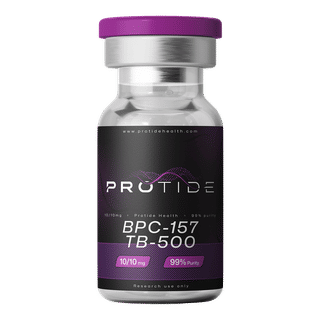
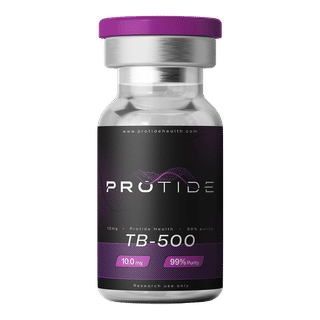
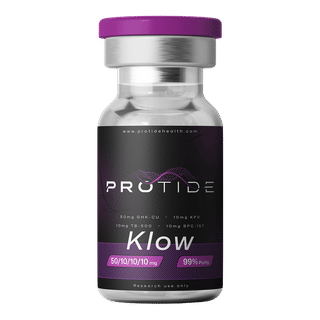
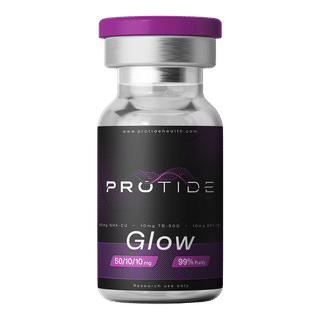
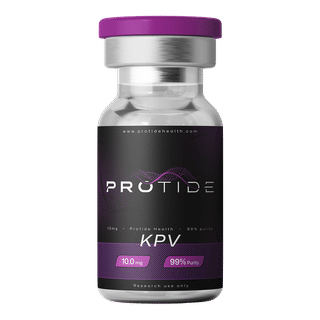
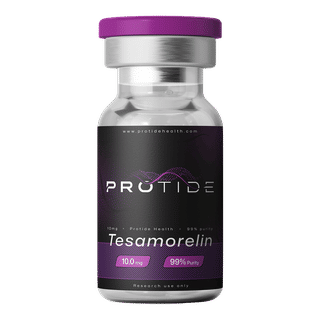
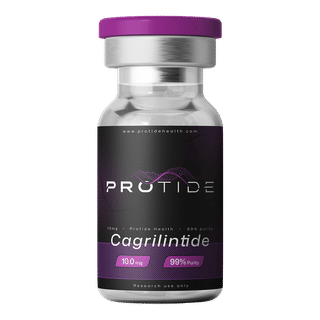
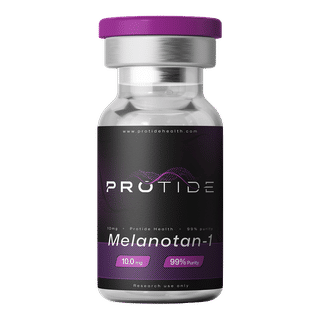
Shop research peptides
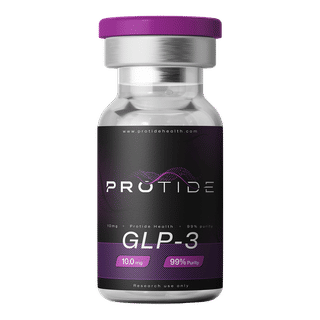
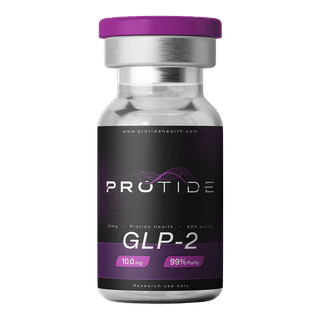
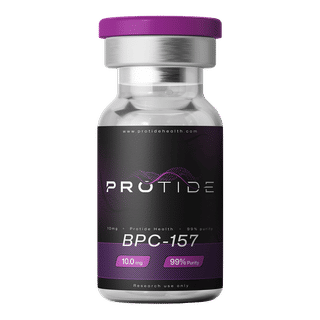
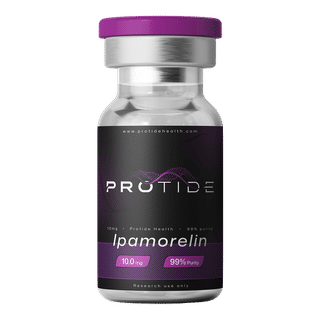
Live pricing from our top-rated vendor. Prices update as vendor listings change.
Reading a Certificate of Analysis (COA): HPLC and Mass Spectrometry Explained
A COA is only useful if you understand what its underlying test data actually measures. High-Performance Liquid Chromatography (HPLC) is the method most suppliers cite to establish purity: it separates a sample into its individual components and reports what percentage of the vial is the intended compound versus leftover solvents, byproducts, or degradation. A COA that lists a purity percentage without showing the HPLC chromatogram or method behind it gives you a number with no way to check it, and a supplier that withholds this data entirely, offering only a purity claim on the product page, is a clear signal to look elsewhere.
Purity alone does not confirm what the vial actually contains. That's what mass spectrometry checks: it measures the molecular weight of the sample and confirms its identity, verifying that the vial holds the labeled peptide rather than a cheaper substitute or an unrelated compound with a similar profile. HPLC tells you how clean the sample is; mass spectrometry tells you whether it's the right molecule in the first place. A COA that reports only one of these two tests gives you half the picture. For a deeper look at how the two techniques pair together, see our HPLC-MS testing glossary entry.
To confirm a COA is genuine rather than fabricated, contact the named testing lab directly and ask them to confirm the report ID and test date on file. Check that the report ID and date match the batch number printed on the vial you received, not just the batch number listed generically on the product page. Also confirm the lab is independent: it should not be owned by, affiliated with, or operated out of the same address as the supplier selling the peptide, since a lab with a financial stake in the results cannot function as a genuine third-party check.
Peptide Supplier Red Flags to Watch For
Most peptide vendor scams follow a small set of repeatable patterns, and once you can name them, they get much easier to spot before you pay.
Vials labeled "for research use only" that sit next to dosing charts or usage instructions on the same page, since a genuinely RUO-compliant listing would never pair the disclaimer with consumption guidance in the first place.
Heavy emphasis on ingredient sourcing and facility descriptions in place of lab data, because detailed talk about clean rooms and raw materials distracts from the fact that no independent COA has been provided.
Fake or copied certificates of analysis, where a report from a different batch (or a fabricated one) is presented as proof of purity for the product actually being sold.
Suppliers selling on WhatsApp, Telegram, or platforms outside a normal well-built website.
Suppliers who do not accept credit card as a payment option.
Suppliers who will not post the COAs publicly, and will not provide the COA when asked.
Any one of these on its own is worth pausing over; two or more on the same listing is reason enough to walk away.
We have observed extensive community discussions on scams, with most cases involving purchases made through Telegram, WhatsApp, or fake websites. Always verify the URL's accuracy and avoid using dubious apps.
What Legitimacy Looks Like in Practice
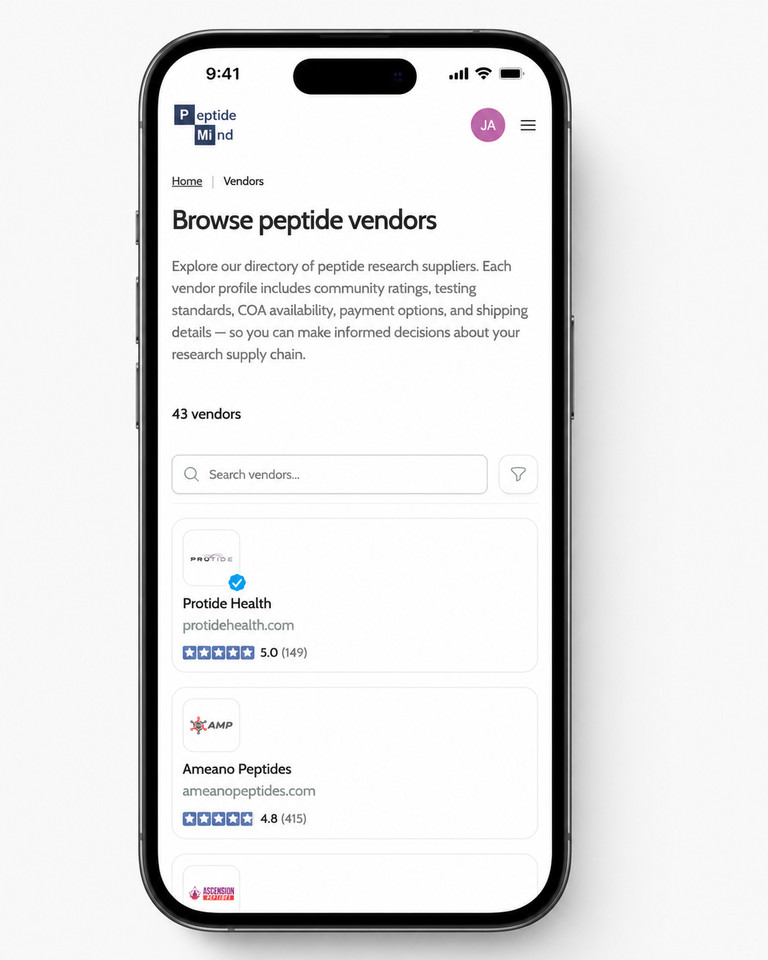
Based on our top peptide vendor rankings, Protide Health is currently in the #1 ranked spot, and analyzing their operations offers one concrete illustration of the checklist above in action. Protide Health meets all four criteria buyers should expect from legit peptide suppliers, independent and recent COAs, documented HPLC data showing purity percentage, mass spectrometry results confirming the vial contains the labeled compound, and a verifiable domestic operation rather than an anonymous overseas storefront.
This example is meant to show what a supplier's own legitimacy framework can look like when it addresses every checkpoint a buyer should verify. Readers should still confirm any lab reports and business details directly. The pattern itself, naming the lab, publishing the testing method, and disclosing business operations, is what separates trusted peptide vendors from suppliers that offer no verification path at all.
FAQ
How can I tell if a specific peptide supplier is legit?
Run the vendor through the same core checks every time: does it provide an independent, recent certificate of analysis rather than a screenshot or in-house-only report, is its business registration and physical address verifiable, and does it market products as Research Use Only without dosing instructions or medical claims. Cross-check these against a named third-party testing lab before you place an order with any single vendor.
How do I verify a peptide vendor before ordering?
Request the COA first and read it for a product name, batch number, purity percentage, and named lab before you buy. Independently contact the testing lab listed on the report to confirm it actually ran the analysis and isn't affiliated with the supplier. If the vendor passes both checks, consider placing a small first order before committing to a larger purchase.
What are the biggest red flags of a peptide supplier?
Watch for no COA at all or one presented only as a screenshot, missing or reused batch numbers that don't match the vial, and dosing or medical claims stamped on a product labeled Research Use Only. Unresponsive or anonymous customer support when you ask verification questions is another consistent pattern behind peptide vendor scams.
Shop research peptides
Live pricing from our top-rated vendor. Prices update as vendor listings change.
How can I test if my peptides are real once they arrive?
Start by matching the batch number printed on the vial to the batch number on the COA the supplier provided; a mismatch is disqualifying on its own. For direct confirmation, look for an independent testing lab, such as Janoshik Analytical or Freedom Diagnostics, that offers HPLC purity analysis and mass spectrometry identity testing outside the supplier's control.
What makes a peptide vendor trustworthy?
Trustworthy vendors maintain consistent third-party testing that you can verify publicly, rather than one-off reports, back their products with a documented purity guarantee, and disclose transparent business registration details. Protide Health publicly outlines this kind of framework, covering CoAs, HPLC, mass spectrometry, and domestic operations, as one example of the standard to look for.
Final Takeaway
A legit peptide supplier gives you an independent, recent COA rather than a screenshot or an in-house-only test, and that COA points to a named lab you can contact directly to confirm the batch number, purity data, and report date. It is transparent about its business registration and physical address, and it markets its products as Research Use Only, without dosing instructions or medical claims attached. Before you order from any vendor, run through the checklist in this guide: request the COA, verify the lab independently, and match the batch number on the vial to the paperwork. Lastly, check for community reviews online to make sure its legit, and don't purchase off of WhatsApp, Telegram, or sketchy websites.
Add a comment
This will be publicly visible.
Your email address will not be published.
Your comment will be reviewed by an admin before it is published.