The 5 Best Peptides for Injury Recovery in 2026 (Ranked by Evidence)
The 5 best peptides for injury recovery ranked by evidence: BPC-157, TB-500, GHK-Cu, CJC-1295, and Sermorelin with dosing, stacking, and 2026 legal status.


Last updated: June 5, 2026
For accelerating injury recovery, the best peptides for injury recovery with the strongest evidence are BPC-157 for direct connective tissue repair, TB-500 for systemic soft-tissue support, and GHK-Cu for collagen remodeling and wound healing. CJC-1295/ipamorelin and Sermorelin serve a different role: they elevate growth hormone and IGF-1 systemically to support the broader repair environment rather than targeting a specific injury site. If you are dealing with a tendon, ligament, or joint injury and want the most direct evidence-based option, BPC-157 is the starting point. If your injury is diffuse or involves multiple tissue types simultaneously, TB-500 alone or paired with BPC-157 covers more ground. For adults over 40 who want GH axis support layered onto any recovery protocol, CJC-1295/ipamorelin or sermorelin are the rational additions, with sermorelin carrying the lower regulatory risk.
Rankings are based on five criteria: strength and reproducibility of the preclinical evidence base, existence of any human clinical data, specificity to musculoskeletal and connective tissue injury (rather than systemic or cosmetic endpoints), current regulatory and WADA status, and clarity of the dosing and stacking rationale available in the literature. We evaluated over 30 individual peptide candidates and peptide combinations sourced from peer-reviewed research, FDA regulatory filings on bulk drug substances, WADA prohibited list documentation, and clinical protocol data before narrowing to these five.
None of these peptides is FDA-approved for injury recovery as of 2026, and regulatory status varies significantly across the five compounds. This article does not constitute medical advice. Consult a physician before initiating any peptide protocol.
Quick Comparison: 5 Best Peptides for Injury Recovery
Peptide | Primary Use Case | Evidence Level | WADA Status | 2026 Legal Route |
|---|---|---|---|---|
BPC-157 | Tendon, ligament, joint repair | Strong preclinical; limited human data | Prohibited (S0) | Compounded (regulatory caution applies) |
TB-500 | Systemic soft-tissue and muscle repair | Preclinical + limited human data | Prohibited (S0) | Under 503A review; PCAC meeting July 2026 |
GHK-Cu | Wound healing, collagen remodeling | Preclinical + human cosmetic trials | Not prohibited | Topical only (injectable on FDA Category 2 list) |
CJC-1295 / Ipamorelin | GH elevation, systemic recovery support | Human phase II data (CJC-1295) | Prohibited (S2) | Regulatory limbo since Sept. 2024 |
Sermorelin | GH stimulation, long-term recovery | Limited human clinical data | Prohibited (S2) | Compoundable with prescription |
The 5 Best Peptides for Injury Recovery in 2026 (Ranked by Evidence)
1. BPC-157 (Body Protection Compound-157)
Best for: Tendon and ligament injuries where accelerated collagen remodeling, angiogenesis, and local tissue repair are the priority
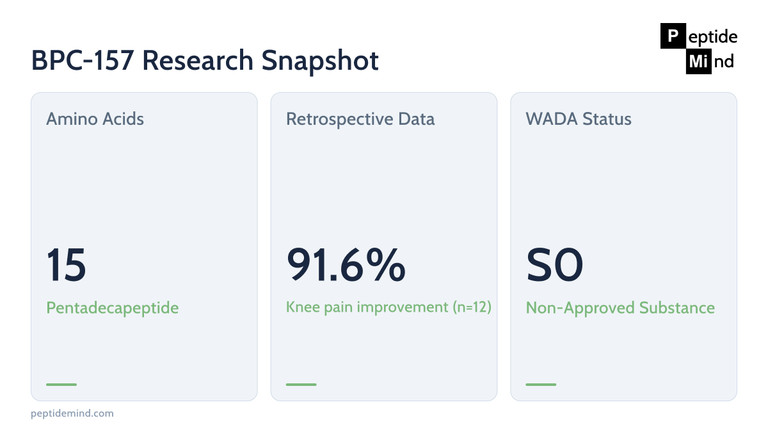
What it is: BPC-157 is a synthetic pentadecapeptide (15 amino acids) derived from a protective protein found naturally in human gastric juice. It supports injury recovery primarily by promoting collagen synthesis, activating growth factor signaling in damaged tissue, and stimulating new blood vessel formation at injury sites.
How it works:
JAK2/growth hormone receptor upregulation: BPC-157 increases growth hormone receptor expression in tendon fibroblasts, sensitizing tissue to healing signals and accelerating structural repair
FAK-paxillin pathway activation: enhances fibroblast migration and collagen deposition through focal adhesion kinase signaling, directly supporting connective tissue regeneration
eNOS-driven angiogenesis: upregulates endothelial nitric oxide synthase to promote new blood vessel formation, improving oxygen and nutrient delivery to hypovascular tissues like tendons and ligaments
Anti-inflammatory modulation: suppresses pro-inflammatory cytokines while preserving the early inflammatory phase needed for tissue repair, reducing chronic inflammation without blunting healing
Administration: Subcutaneous injection (most common); intramuscular injection; oral administration (less studied for musculoskeletal use)
Typical dosing range: 200-500 mcg once or twice daily; clinical protocols typically use 250-500 mcg per injection near the site of injury
Cycle length: 6-12 weeks, followed by a 4-8 week break before repeating
Research status: Evidence is almost entirely from rodent and small animal models, where BPC-157 has consistently improved functional, structural, and biomechanical outcomes across muscle, tendon, ligament, and bone injuries; a 2025 systematic review in orthopaedic sports medicine (Vasireddi et al., SAGE Journals) confirmed preclinical support but noted the absence of randomized controlled trials in humans; a small retrospective study of 12 patients with chronic knee pain found 91.6% reported significant improvement after intra-articular injection, but this lacks a control group and has not been replicated
Regulatory / legal status: Not FDA-approved for any medical use; compounded versions available through some licensed pharmacies but the FDA has specifically cautioned against compounded BPC-157 citing immune reaction risk and inadequate safety data; classified as a Non-Approved Substance (class S0) on the WADA Prohibited List, banning its use in competitive athletics; also listed on the Department of Defense's Prohibited Dietary Supplement Ingredients List
Pros | Cons |
|---|---|
Strong and consistent preclinical evidence across multiple injury types (tendon, ligament, muscle, bone) | No FDA-approved human indication; regulatory status makes legitimate sourcing difficult |
Multiple complementary mechanisms active simultaneously (angiogenesis, collagen, inflammation) | Clinical evidence limited to one small retrospective study and a single two-patient pilot IV trial |
Well-tolerated in animal models with no observed toxicity at therapeutic doses | WADA-prohibited; any competitive athlete faces disqualification risk |
Can be injected locally near the injury site, concentrating effects where needed | Long-term safety in humans completely unknown; FDA warns of immune system reaction risk |
Frequently paired with TB-500 for broader systemic coverage | Available only as a research chemical or compounded drug; product purity is not guaranteed |
Known side effects: In the limited human data available, the most commonly reported adverse effects are mild and transient: injection site redness, swelling, or discomfort, and occasional nausea, fatigue, or headache; the FDA has flagged potential immune system reactions from compounded formulations, and no long-term human safety data exists for any population
Shop research peptides
Live pricing from our top-rated vendor. Prices update as vendor listings change.
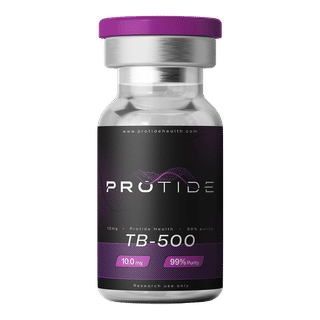
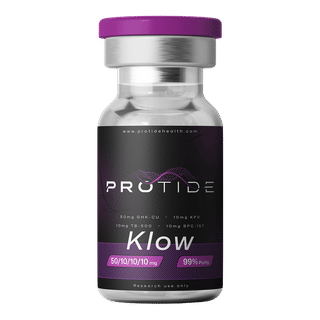
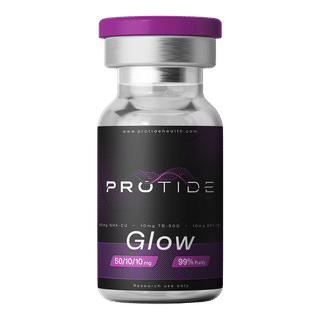
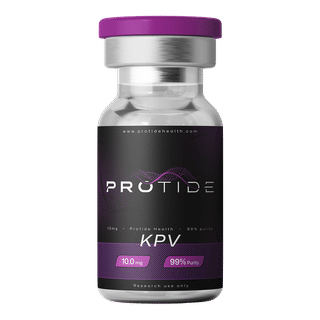
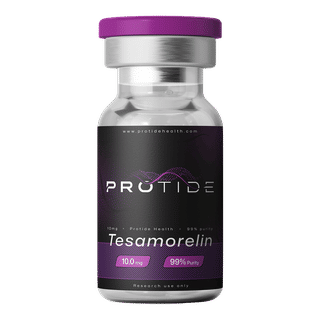
Stack note: Most commonly paired with TB-500 (Thymosin Beta-4), where BPC-157 handles localized connective tissue repair and angiogenesis while TB-500 provides broader systemic anti-inflammatory and cell-migration support, making the combination a popular protocol for complex or slow-healing injuries
Our take: BPC-157 has the deepest preclinical evidence base of any peptide in this list for direct connective tissue repair, making it the logical first consideration for tendon, ligament, and joint injuries where healing is slow or stalled. The regulatory landscape is a genuine obstacle: it cannot be legally prescribed for this use, its purity outside clinical settings is unverified, and any athlete subject to WADA testing faces serious career risk. For a non-competing adult working with a physician willing to supervise off-label use, the risk-to-benefit profile may be acceptable given the volume of animal evidence, but anyone expecting human RCT-level proof is not yet there.
2. TB-500 (Thymosin Beta-4)
Best for: Systemic soft-tissue injuries, including muscle tears, tendon damage, and ligament sprains, where broad-spectrum cellular migration and angiogenesis support is the priority alongside localized repair.

What it is: TB-500 is a synthetic peptide fragment (sequence LKKTETQ) derived from the naturally occurring protein thymosin beta-4, which is found at high concentrations in platelets and most mammalian cell types. It supports injury recovery primarily by sequestering G-actin, enabling rapid cell migration, and promoting the formation of new blood vessels at the site of tissue damage.
How it works:
G-actin sequestration: TB-500 binds G-actin in a 1:1 complex, maintaining a pool of monomeric actin that cells can quickly mobilize for cytoskeletal remodeling and migration toward injury sites (structural basis confirmed in PMC517612).
Cell migration promotion: By regulating actin dynamics, it accelerates the movement of stem cells, progenitor cells, and repair-associated cells to damaged tissue, shortening the lag phase of healing.
Angiogenesis stimulation: Promotes new blood vessel formation at wound sites, improving oxygen and nutrient delivery to regenerating tissue; a rat full-thickness wound model study found treated wounds showed measurably increased angiogenesis alongside faster reepithelialization.
Anti-inflammatory activity: Dampens pro-inflammatory signaling during the repair phase, which may reduce excessive scar tissue formation and preserve tissue architecture.
Administration: Subcutaneous injection (abdomen, thighs, or upper arms)
Typical dosing range: 2-5 mg per week, often split into two injections of 1,250-2,500 mcg during the loading phase
Cycle length: Loading phase of 4-6 weeks at 4-8 mg/week, followed by a maintenance phase of 4-8 weeks at 2-2.5 mg/week; a common cycling pattern is one month off for every three months of use.
Research status: Evidence is primarily from in vitro studies and animal models; a landmark study in the Journal of Investigative Dermatology demonstrated that topical or intraperitoneal thymosin beta-4 increased rat wound reepithelialization by 42% at day 4 and up to 61% at day 7 versus saline controls, with increased collagen deposition and angiogenesis also documented. Limited human clinical trial data exists: a small trial in patients with acute myocardial infarction showed cardiac tissue protection, and separate trials documented benefit for dry eye conditions. A 2024 study raised the question of whether TB-500's wound-healing activity may derive from a metabolite rather than the parent compound itself, a finding that warrants further investigation. No randomized controlled trials in healthy humans with orthopedic injuries have been completed.
Regulatory / legal status: Not FDA-approved for any human therapeutic indication; TB-500 is under review for potential inclusion on the FDA Section 503A Bulk Drug Substances List, with a Pharmacy Compounding Advisory Committee meeting scheduled for July 23, 2026. The FDA has issued warning letters to suppliers marketing it for human use between 2017 and 2023. TB-500 and all thymosin beta-4 derivatives are prohibited at all times under WADA's Prohibited List (Section S0, Non-Approved Substances) since 2011; professional and competitive athletes face disqualification risk.
Pros | Cons |
|---|---|
Broad systemic tissue repair support across muscle, tendon, ligament, and skin | Not FDA-approved for human use; limited human clinical trial data |
Well-established G-actin mechanism backed by structural biology research | WADA-prohibited; disqualifying risk for competitive athletes |
Low reported side-effect burden in research settings; no preclinical toxicology identified | 2024 metabolite findings add uncertainty about which molecule drives efficacy |
Known side effects: The most commonly reported effects are mild and injection-site related: redness, swelling, and localized pain at the injection site. Headaches and mild gastrointestinal symptoms have also been noted. Angiogenesis promotion is a theoretical concern for individuals with active or suspected cancer, and TB-500 should not be used by pregnant or breastfeeding individuals. No formal human safety studies have been completed.
Stack note: TB-500 is most commonly paired with BPC-157, a combination sometimes called the "Wolverine Stack," where TB-500 provides systemic cellular migration and angiogenesis support while BPC-157 targets localized tissue protection and regeneration.
Our take: TB-500 is a reasonable option for people dealing with diffuse or hard-to-localize soft-tissue injuries where the goal is systemic mobilization of repair signals rather than a targeted local intervention. It makes more sense than BPC-157 when the injury is widespread or involves multiple tissue types simultaneously, and the two are frequently combined for that reason. The absence of human RCT data and its WADA-banned status make it a non-starter for competitive athletes, and anyone considering it should work with a physician who can source pharmaceutical-grade formulations and monitor for adverse effects.
Shop research peptides
Live pricing from our top-rated vendor. Prices update as vendor listings change.
3. GHK-Cu (Glycine-Histidyl-Lysine-Copper)
Best for: Chronic wound environments and post-procedure skin repair where collagen remodeling, angiogenesis, and anti-inflammatory signaling are all needed simultaneously.

What it is: GHK-Cu is a naturally occurring tripeptide (glycine-histidine-lysine) found in human plasma that binds copper(II) with high affinity; serum levels average roughly 200 ng/mL at age 20 and decline to approximately 80 ng/mL by age 60. It supports injury recovery primarily by upregulating collagen and elastin synthesis, stimulating angiogenesis via VEGF and bFGF pathways, and broadly resetting gene expression in damaged tissue.
How it works:
Collagen and extracellular matrix upregulation: GHK-Cu stimulates fibroblast production of collagen, elastin, and glycosaminoglycans; a 1993 wound-chamber rat study showed a 9-fold increase in collagen accumulation in GHK-Cu-treated wounds versus controls.
Angiogenesis via VEGF and FGF-2: At concentrations as low as 1 nM, GHK-Cu increases expression of vascular endothelial growth factor (VEGF) and basic fibroblast growth factor (bFGF) in irradiated human dermal fibroblasts, accelerating capillary formation in damaged tissue.
Anti-inflammatory gene modulation: GHK-Cu suppresses NFkB p65 activation and reduces TNF-alpha and IL-6 production; a 2024 multicenter study of 0.05% GHK-Cu gel after fractional laser resurfacing found a 30% reduction in IL-1beta and TNF-alpha within 72 hours.
Broad gene expression reset: According to data from the Broad Institute's Connectivity Map, GHK-Cu modulates roughly 31% of human genes (with at least 50% expression change), influencing pathways tied to cellular repair, proteasome activity, and oxidative stress control.
Administration: Subcutaneous injection (compounded topical formulations also available via physician prescription)
Typical dosing range: 1.5-2.5 mg daily for tissue regeneration; 1.0-2.0 mg five days per week for pain and inflammation
Cycle length: Approximately 10-14 days for acute tissue repair goals, reassessed at endpoint; 1-2 months on, 1-2 months off for ongoing protocols
Research status: The bulk of the evidence base comes from in vitro studies and animal models, with a small number of human cosmetic trials (8-12 week topical application) confirming effects on skin density, wrinkle volume, and collagen production; a 2024 multicenter clinical study documented measurable anti-inflammatory effects post-laser resurfacing, but large randomized controlled trials for musculoskeletal or systemic injury recovery in humans remain absent.
Regulatory / legal status: Not FDA-approved for any indication; as of 2026, the FDA has placed injectable GHK-Cu on its Category 2 bulk drug substances list, meaning it cannot be legally compounded for injection due to immunogenicity and impurity concerns. Topical formulations prescribed by a licensed physician and prepared by a 503A or 503B compounding pharmacy remain legal. GHK-Cu is not on WADA's Prohibited List as of May 2025.
Pros | Cons |
|---|---|
Naturally occurring peptide with 50-plus years of safety data in cosmetic research | Injectable compounding banned under FDA Category 2 rules as of 2026 |
Active at nanomolar concentrations; low doses produce measurable effects | Large-scale human RCTs for injury recovery do not yet exist |
Dual topical and systemic mechanism; addresses inflammation, collagen, and vascularity together | Rare "copper uglies" side effect (paradoxical accelerated-aging appearance) reported anecdotally |
Known side effects: The most commonly reported effects are mild and localized: injection-site redness, itching, or irritation. Rare systemic copper toxicity symptoms (abdominal pain, metallic taste, tremors) are theoretically possible at excessive doses. Individuals with active cancer should use caution, as GHK-Cu's pro-angiogenic effects could theoretically support tumor vascularity.
Stack note: GHK-Cu is a core component of the GLOW blend (GHK-Cu plus BPC-157 plus TB-500), where its collagen and VEGF signaling complements BPC-157's vascular and tendon-repair effects and TB-500's actin-regulation and cell-migration pathways for a broader tissue-repair protocol.
Our take: GHK-Cu is the most research-supported peptide in this list for skin-layer wound healing and post-procedure recovery, with decades of cosmetic evidence and a clear molecular mechanism. GHK-Cu also appears in research on peptides for longevity given its role in reversing age-related declines in skin and connective tissue repair capacity. Athletes and biohackers pursuing musculoskeletal repair should understand that injectable use is now in a regulatory gray zone following the 2026 FDA Category 2 designation, making physician-supervised topical compounding the only currently legal route. Those with primarily connective tissue or tendon injuries will generally find more targeted evidence for BPC-157 or TB-500, but GHK-Cu adds meaningful collagen and anti-inflammatory support when stacked.
4. CJC-1295 / Ipamorelin
Best for: age-related or post-injury growth hormone decline where sustained GH pulse amplification over weeks is the priority, particularly for muscle preservation, fat loss, and sleep-dependent recovery
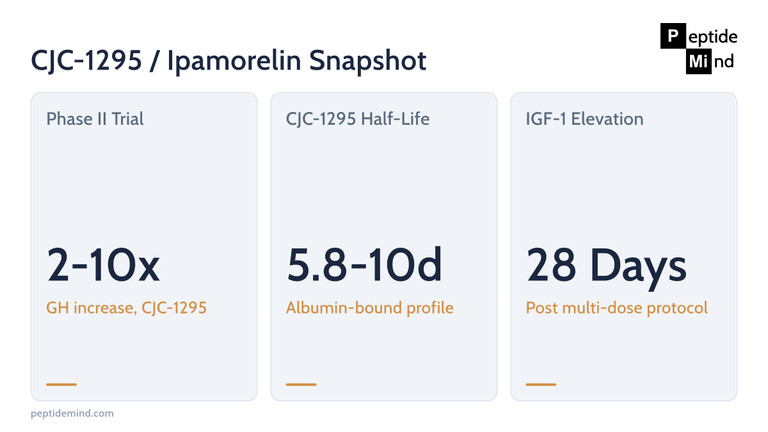
What it is: CJC-1295 is a synthetic analog of growth hormone-releasing hormone (GHRH) with four amino acid substitutions that resist enzymatic degradation and allow covalent binding to serum albumin, extending its half-life to 5.8-10 days. Ipamorelin is a synthetic pentapeptide and third-generation growth hormone secretagogue that selectively activates the ghrelin receptor (GHS-R1a) in the hypothalamus and pituitary to trigger GH release without meaningfully raising cortisol or ACTH.
Shop research peptides
Live pricing from our top-rated vendor. Prices update as vendor listings change.
How it works:
GHRH receptor agonism (CJC-1295): binds pituitary somatotrophs via the GHRH receptor, amplifying baseline GH pulse amplitude and duration over the course of days due to albumin binding
Ghrelin receptor agonism (Ipamorelin): activates GHS-R1a with an earlier onset and more immediate GH secretion spike compared to GHRH analogs, providing a complementary time profile
Sequential synergy: the two peptides act on distinct receptor systems and exhibit a combined GH output greater than either alone, with ipamorelin providing the acute peak and CJC-1295 sustaining elevated trough levels
IGF-1 elevation: downstream GH signaling raises circulating IGF-1, the primary mediator of tissue repair, protein synthesis, and connective tissue remodeling; a 2006 clinical trial found CJC-1295 alone produced 1.5- to 3-fold IGF-1 increases lasting 9-11 days after a single dose

Administration: Subcutaneous injection
Typical dosing range: 100-300 mcg of each peptide per injection, once daily (typically before sleep on an empty stomach)
Cycle length: 12-24 weeks; advanced protocols extend to 6 months with periodic lab monitoring
Research status: The primary human evidence for CJC-1295 comes from a 2006 randomized, placebo-controlled phase II trial in healthy adults (Teichman et al., J Clin Endocrinol Metab) showing dose-dependent GH increases of 2- to 10-fold lasting 6+ days and IGF-1 elevations lasting up to 28 days after multiple doses with no serious adverse events; a separate 2009 study (Sackmann-Sala et al., Growth Hormone & IGF Research) confirmed GH/IGF-1 axis activation at 60-90 mcg/kg. Ipamorelin's selectivity over cortisol and ACTH was established in animal studies (Raun et al., Eur J Endocrinol, 1998). No large-scale RCTs have evaluated the combined CJC-1295/ipamorelin stack specifically for injury recovery in humans; evidence for that application remains extrapolated from GH biology and small observational reports.
Regulatory / legal status: Neither CJC-1295 nor ipamorelin is FDA-approved for any indication. Both were removed from the FDA's Category 2 interim compounding bulks list in September 2024 following nominators' withdrawal, and the FDA's Pharmacy Compounding Advisory Committee subsequently recommended against including them on the 503A Bulks list, leaving compounding in regulatory limbo as of early 2026. Both substances are classified as S2 prohibited under the WADA Prohibited List, covering GH-releasing peptides and secretagogues.
Pros | Cons |
|---|---|
Complementary dual-receptor mechanism produces sustained GH elevation | Not FDA-approved; compounding access uncertain as of 2026 |
Ipamorelin does not significantly raise cortisol or ACTH, reducing stress-hormone side effects | Requires daily subcutaneous self-injection and cold-chain storage |
Established human pharmacokinetic data for CJC-1295 from phase II trials | No large RCTs for the combination stack specifically for injury recovery |
May support sleep quality, muscle preservation, and fat loss alongside recovery | Prohibited by WADA; ineligible for competitive athletes in tested sports |
Longer half-life of CJC-1295 (5.8-10 days) allows less frequent re-dosing than GHRH(1-29) variants | Cancer patients and survivors should avoid due to IGF-1-driven cellular proliferation risk |
Known side effects: Commonly reported effects include injection site reactions, mild water retention, transient flushing, headache, and tingling in the extremities; ipamorelin's cortisol selectivity makes appetite spikes and cortisol-driven "jitters" uncommon compared to earlier-generation secretagogues. A 12-week phase II trial of CJC-1295 in HIV-associated lipodystrophy reported one death from myocardial infarction, attributed by the attending physician to pre-existing coronary disease; individuals with active cardiovascular disease, active or prior malignancy, or who are pregnant or breastfeeding should avoid this combination.
Stack note: Commonly paired with BPC-157 or TB-500 in injury-focused protocols, where the tissue-local repair signaling of those peptides is layered on top of the systemic GH/IGF-1 elevation provided by CJC-1295/ipamorelin blends.
Our take: CJC-1295/ipamorelin is the most pharmacologically substantiated GH secretagogue stack on this list, with genuine phase II human trial data supporting GH and IGF-1 elevation for CJC-1295 specifically. It makes the most sense for individuals over 35 experiencing documented GH decline who want systemic support for recovery, body composition, and sleep alongside targeted peptide therapy. The regulatory situation in the US remains unsettled as of 2026, so access through an accredited compounding pharmacy under physician supervision is essential, and competitive athletes subject to WADA testing should not use it.
5. Sermorelin
Best for: Adults with age-related growth hormone decline who want to support muscle recovery, tissue repair, and body composition through stimulation of the body's own GH production rather than direct hormone replacement
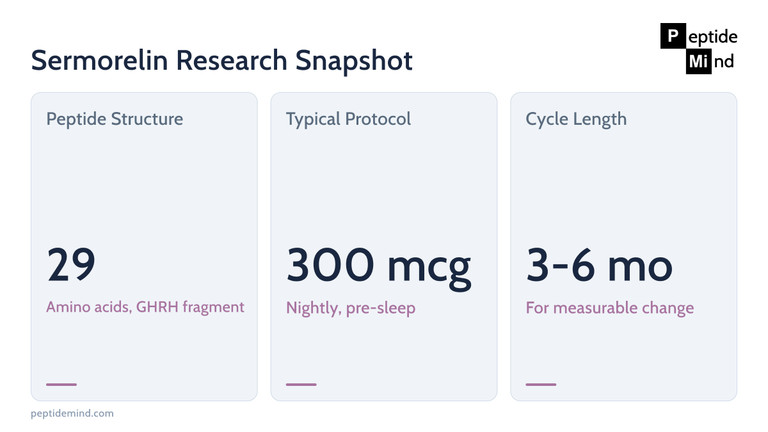
What it is: Sermorelin is a synthetic 29-amino acid peptide that replicates the biologically active N-terminal fragment of endogenous growth hormone-releasing hormone (GHRH). It works upstream of HGH itself, binding to GHRH receptors on pituitary somatotroph cells to stimulate the body's own pulsatile GH release rather than supplying exogenous hormone.
How it works:
GHRH receptor binding: Sermorelin binds pituitary somatotroph GHRH receptors, activating adenylyl cyclase and increasing intracellular cAMP to trigger synthesis and pulsatile release of endogenous GH
IGF-1 upregulation: elevated GH drives hepatic IGF-1 production, which mediates the downstream anabolic effects including lean mass accretion, bone density support, and tissue remodeling
Preserved feedback regulation: because sermorelin works through the hypothalamic-pituitary axis rather than bypassing it, natural somatostatin-mediated negative feedback remains intact, reducing the risk of GH excess seen with exogenous HGH
Extracellular matrix support: preclinical models suggest GH axis stimulation may reduce inflammatory cytokine signaling and promote extracellular matrix remodeling, contributing to faster soft tissue recovery
Administration: Subcutaneous injection (intramuscular also used)
Shop research peptides
Live pricing from our top-rated vendor. Prices update as vendor listings change.
Typical dosing range: 200-500 mcg once daily, most protocols use 300 mcg nightly; timing 60-90 minutes after the last meal to align with the body's natural nocturnal GH pulse
Cycle length: 3-6 months is common for measurable IGF-1 and body composition changes; some protocols run continuously with periodic labs
Research status: Human evidence for sermorelin is primarily limited to small clinical studies and older trials conducted before Geref's 2008 discontinuation; these studies confirm it reliably elevates IGF-1 and GH levels in adults with age-related GH insufficiency, but large-scale RCTs supporting its use specifically for injury recovery or tissue repair are lacking, and most recovery-focused data comes from animal models or case series
Regulatory / legal status: Not FDA-approved for injury recovery or anti-aging use; the commercial product (Geref) was voluntarily discontinued in 2008 for commercial reasons, not safety concerns, and the FDA confirmed the withdrawal was not due to efficacy or safety failures; legally available in the U.S. through licensed compounding pharmacies with a valid prescription; prohibited in competitive sport under WADA's Prohibited List as a GHRH and growth hormone secretagogue (S2 category, prohibited at all times); a TUE is highly unlikely to be approved per USADA
Pros | Cons |
|---|---|
Stimulates natural pulsatile GH release, preserving physiological feedback | Research base is thin compared to direct GH therapy; large RCTs on tissue repair are absent |
More favorable safety profile than exogenous HGH due to intact negative feedback | Requires daily subcutaneous injections with refrigerated storage |
Legally compoundable in the U.S. with a prescription | Compounding quality varies; no standardized commercial formulation available since 2008 |
Known side effects: The most commonly reported adverse effects are transient injection site reactions (redness, itching, swelling), along with occasional headache, flushing, dizziness, or nausea, particularly early in therapy; rare but serious reactions include hypersensitivity; contraindicated in pregnancy, breastfeeding, and untreated hypothyroidism, and should be avoided by anyone with active malignancy due to GH's proliferative signaling
Stack note: Commonly paired with ipamorelin or GHRP-2 at 200-300 mcg each in the same pre-sleep injection, since GHRH-class peptides (sermorelin) and GHRP-class peptides work through complementary receptor pathways to produce a synergistic GH pulse larger than either compound alone
Our take: Sermorelin is the most conservative entry point in this list for anyone who wants growth hormone axis support without the regulatory and physiological risks of exogenous HGH. It makes the most sense for adults in their 40s or older who have confirmed age-related GH decline and are focused on longer-term body composition and recovery goals rather than acute injury repair. Compared to CJC-1295/Ipamorelin (position 4 in this list), sermorelin has a shorter half-life and a smaller existing evidence base, but its long clinical track record and intact feedback mechanism make it a lower-risk choice for those new to peptide-based hormone support. Lab monitoring of IGF-1 every 8-12 weeks is strongly advisable to guide dosing and confirm response.
Which Peptide Is Best for Your Injury Type?
The table below maps each peptide to the specific injury types and tissue targets where the evidence is strongest. Use this as a fast reference after reviewing the full entries above. "Stack recommended" indicates the combination most commonly used in clinical and practitioner protocols for that injury category.
Injury Type | Primary Peptide | Secondary / Stack | Mechanism Targeted | Stacking Note |
|---|---|---|---|---|
Tendon injuries | BPC-157 | TB-500 | Collagen synthesis, angiogenesis, FAK-paxillin signaling | BPC-157 + TB-500 ("Wolverine Stack") covers both local and systemic repair |
Ligament tears | BPC-157 | GHK-Cu | Connective tissue regeneration, anti-inflammatory modulation | Add GHK-Cu topically post-procedure for collagen remodeling support |
Joint repair | BPC-157 | TB-500 | eNOS angiogenesis, local inflammatory control | Intra-articular injection of BPC-157 documented in small retrospective study |
Muscle tears / soft-tissue injury | TB-500 | CJC-1295 / Ipamorelin | G-actin cell migration, systemic IGF-1 elevation | CJC-1295/ipamorelin adds systemic GH support to TB-500's local repair |
Wound healing / skin-layer repair | GHK-Cu | BPC-157 | VEGF/bFGF angiogenesis, collagen and elastin upregulation | GLOW blend (GHK-Cu + BPC-157 + TB-500) for complex wound environments |
Systemic recovery (age-related GH decline) | CJC-1295 / Ipamorelin | Sermorelin | GH pulse amplification, IGF-1 elevation | Sermorelin substitution for lower regulatory risk; do not combine GHRH analogs |
Long-term tissue repair (older adults) | Sermorelin | BPC-157 or TB-500 | Physiological GH stimulation, extracellular matrix support | Layer BPC-157 or TB-500 for localized repair on top of sermorelin base |
Are These Peptides Legal and Safe to Use?
No peptide in this list is FDA-approved for injury recovery or sports performance as of 2026. Their regulatory status ranges from legally compoundable with a prescription (sermorelin) to explicitly restricted injectable formulations (GHK-Cu under the FDA Category 2 list) to regulatory limbo (CJC-1295 and ipamorelin following the September 2024 removal from the 503A compounding bulks list). The clearest current picture by compound:
BPC-157: The FDA has specifically cautioned against compounded BPC-157, citing immune reaction risk and insufficient safety data. It is not on any approved bulk drug substances list. Sourcing through a licensed compounding pharmacy may still occur in practice, but it carries genuine regulatory and quality risk. USADA has published a dedicated advisory on BPC-157's prohibited status confirming its classification as a WADA S0 Non-Approved Substance: prohibited at all times for competitive athletes in tested sports.
TB-500: The FDA has issued warning letters to commercial suppliers. A Pharmacy Compounding Advisory Committee (PCAC) meeting is scheduled for July 23, 2026, to evaluate its potential inclusion on the 503A bulks list. Until that decision is issued, compounding remains in a gray zone. WADA class S0: prohibited at all times since 2011.
GHK-Cu: Injectable formulations are now on the FDA's Category 2 bulk drug substances list as of 2026, meaning compounding pharmacies cannot legally compound it for injection. Topical formulations prepared under a licensed physician's prescription through a 503A or 503B pharmacy remain legal. GHK-Cu is not on the WADA Prohibited List as of May 2025, making it the only peptide in this list available to competitive athletes (via legal topical route only). Research on GHK-Cu's regenerative mechanisms published in PMC confirms the age-related serum decline from roughly 200 ng/mL at age 20 to 80 ng/mL by age 60, underpinning the rationale for supplementation in aging tissue.
CJC-1295 / Ipamorelin: Both were removed from the FDA's interim compounding bulks list in September 2024 following nominator withdrawal, and the PCAC subsequently recommended against inclusion on the 503A list. Compounding access is legally uncertain as of early 2026. WADA class S2 (Peptide Hormones and Releasing Factors): prohibited at all times.
Sermorelin: The only peptide in this list that is straightforwardly compoundable in the U.S. with a valid physician prescription, through either a 503A or 503B pharmacy. The FDA confirmed the 2008 market withdrawal of Geref was not due to safety or efficacy concerns. WADA class S2: prohibited at all times for competitive athletes. USADA's advisory on sermorelin confirms its prohibition due to its ability to elevate endogenous GH production.
On sourcing safety: Regardless of regulatory status, purity and concentration verification are non-trivial. Research chemical suppliers are not subject to pharmaceutical manufacturing standards, and contamination or mislabeling is a documented risk. Work with a physician who can order through an accredited compounding pharmacy and confirm the formulation meets USP standards. Self-sourcing without medical oversight is both legally and medically inadvisable.
Shop research peptides
Live pricing from our top-rated vendor. Prices update as vendor listings change.
Medical disclaimer: This article is for informational purposes only and does not constitute medical advice, a treatment recommendation, or an endorsement of any product. Consult a licensed physician before initiating any peptide protocol.
Frequently Asked Questions
Which peptide is best for healing injuries?
BPC-157 has the strongest preclinical evidence for tendon, ligament, and joint repair, making it the most commonly cited option for direct injury healing. TB-500 provides broader systemic soft-tissue support and is frequently paired with BPC-157 for complex or multi-site injuries. GHK-Cu adds collagen remodeling and anti-inflammatory signaling, particularly for wound and skin-layer recovery. The right choice depends on injury type and location: localized connective tissue injuries point toward BPC-157, diffuse soft-tissue injuries toward TB-500, and post-procedure wound environments toward GHK-Cu. Consult a physician before use, as none of these peptides is FDA-approved for this indication.
Are there FDA-approved peptides for injury recovery?
No peptide is FDA-approved specifically for injury recovery as of 2026. BPC-157 and injectable GHK-Cu are explicitly restricted by the FDA; CJC-1295 and ipamorelin are in regulatory limbo following removal from the compounding bulks list in September 2024. Sermorelin is the most accessible through legal channels, compoundable with a valid prescription, but it is not approved for injury recovery or anti-aging use either. The entire category sits in off-label or compounding-only territory, which means access and quality control vary significantly by provider and pharmacy. Patients pursuing any of these options should do so under physician supervision.
What peptides does Joe Rogan use?
BPC-157 is among the peptides publicly discussed by high-profile figures including Joe Rogan, who has referenced it in the context of injury recovery and connective tissue repair. We do not fabricate or attribute specific quotes. What the evidence actually shows for BPC-157 is a consistent preclinical record across tendon, ligament, and muscle injury models, a 2025 systematic review confirming preclinical support (Vasireddi et al.), and a small human retrospective study showing 91.6% patient improvement in chronic knee pain cases. The pop-culture interest in BPC-157 reflects a real evidence base, even if that base remains pre-human-RCT in its current form.
What are the best peptides for muscle recovery?
For muscle recovery, the right peptide depends on whether the goal is acute tissue repair or systemic anabolic support. TB-500 and BPC-157 are used for acute soft-tissue and muscle tear recovery: TB-500 mobilizes repair cells via G-actin regulation, while BPC-157 promotes angiogenesis and collagen deposition at the injury site. For peptides for muscle recovery in the systemic sense, including lean mass preservation, protein synthesis, and sleep-quality improvements during longer recovery periods, CJC-1295/ipamorelin and sermorelin support GH-driven muscle repair by elevating IGF-1 over weeks or months. Many practitioners combine the two approaches, layering a GH secretagogue for systemic support on top of BPC-157 or TB-500 for localized repair. The specific pairings used most often, along with the cycle lengths and washout periods reported for each, are broken out in the guide to peptide stacks organized by goal.
Can peptides help with tendon and joint repair?
BPC-157 has the most targeted preclinical evidence for tendon and ligament repair, with studies showing activation of FAK-paxillin signaling for collagen deposition and eNOS-driven angiogenesis to improve blood supply to hypovascular tendon tissue. TB-500 extends coverage to adjacent soft tissue and joint-surrounding structures through its G-actin and cell-migration mechanisms. For peptides for healing tendons and peptides for joint repair specifically, BPC-157 injected near the injury site is the most commonly referenced protocol in practitioner settings. No peptide has FDA approval for any orthopedic indication, and human RCT evidence for tendon and joint applications does not yet exist. Anyone pursuing this approach should work with a physician who can supervise injection protocols and monitor for adverse effects.
Is BPC-157 good for injury recovery?
BPC-157 has consistent preclinical data across tendon, ligament, muscle, and bone injury models, with multiple distinct biological mechanisms confirmed in animal studies: growth hormone receptor upregulation, FAK-paxillin collagen signaling, eNOS angiogenesis, and anti-inflammatory cytokine modulation. A 2025 systematic review (Vasireddi et al., SAGE Journals) confirmed this preclinical support but documented the absence of randomized controlled trials in humans. A small retrospective study of 12 patients with chronic knee pain found 91.6% reported significant improvement after intra-articular BPC-157 injection, but this lacks a control group and has not been replicated. For a non-competing adult working under physician supervision, the volume of animal evidence may justify cautious off-label use. Human RCT-level proof does not yet exist, and the FDA has explicitly cautioned against compounded formulations.
Conclusion
For most people dealing with a specific musculoskeletal injury, BPC-157 is the logical starting point given its depth of preclinical evidence and its ability to target the injury site directly. TB-500 becomes the better primary choice when the injury is diffuse or involves multiple tissue types, and the two combine well for complex cases. GHK-Cu belongs in any protocol where wound healing, skin-layer repair, or significant collagen remodeling is part of the picture, noting that its legal route in 2026 is topical rather than injectable.
The growth hormone secretagogues, CJC-1295/ipamorelin and sermorelin, serve a different function: they are systemic recovery tools rather than injury-specific interventions. For a primer on how this compound class works as a whole, see the growth hormone secretagogue overview. They make the most sense for adults over 35 with documented GH decline who want to support the broader hormonal environment that governs tissue repair, sleep quality, and body composition. Sermorelin carries the more favorable regulatory profile of the two, while CJC-1295/ipamorelin has more robust human pharmacokinetic data.
Across all five options, the shared constraints are the same: no FDA approval for injury recovery, WADA prohibition for most compounds, physician supervision as a non-negotiable requirement for safe use, and the absence of large-scale human RCTs. The field is moving: search interest in this category has grown over 300% year-over-year, and the TB-500 and BPC-157 PCAC review scheduled for July 23-24, 2026 may shift the compounding landscape before year end. Work with a provider who tracks these regulatory changes and can adjust your protocol accordingly.
Add a comment
This will be publicly visible.
Your email address will not be published.
Your comment will be reviewed by an admin before it is published.