Retatrutide Microdosing Protocol: A Complete Guide
Learn how to microdose retatrutide safely with this step-by-step 3-phase protocol. Covers reconstitution, dosing schedules, injection technique, storage, and side effect monitoring.
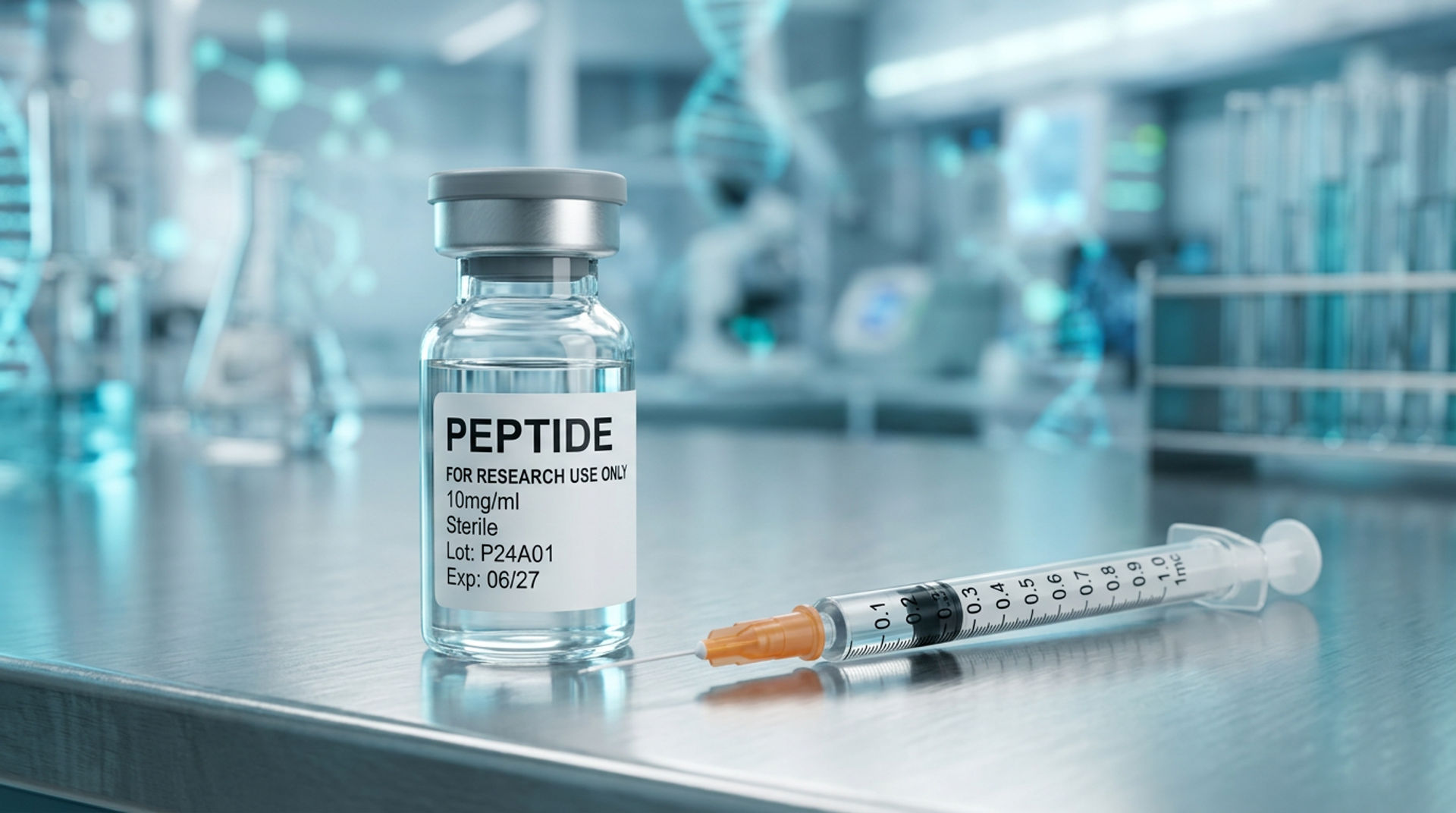

This article is intended for educational and research purposes only. Always consult a qualified healthcare professional before beginning any peptide regimen.
What Is Retatrutide (GLP-3)?
Retatrutide (GLP-3) is a next-generation triple receptor agonist that targets GLP-1, GIP, and glucagon receptors simultaneously. This triple-action mechanism sets it apart from earlier weight loss peptides like semaglutide (GLP-1 only) or tirzepatide (GLP-1 and GIP), making it one of the most potent metabolic compounds studied to date. If you are weighing retatrutide against tirzepatide, the schedules are not interchangeable: our guide to microdosing tirzepatide runs on a weekly cadence and includes a full mg-to-units dose chart, real cost math, and the trial data behind sub-clinical doses.
In a Phase 2 clinical trial published in the New England Journal of Medicine (Jastreboff et al., 2023), participants using retatrutide experienced up to 24% reduction in body weight over 48 weeks, significantly outperforming earlier GLP-1 agents. The compound works by suppressing appetite, improving insulin sensitivity, and increasing thermogenesis (heat production), which together create a powerful metabolic effect.
Because of how potent these combined effects are, microdosing is strongly recommended over jumping straight to standard clinical doses. A lower, controlled starting point gives the body time to adapt and helps minimize side effects.
Reconstitution: How to Prepare Your Vial
Before following any dosing protocol, you need to reconstitute your retatrutide (GLP-3) correctly.
Reconstitution instructions:
Peptide amount: 10 mg Retatrutide
BAC water: 3 mL (use 3 mL regardless of vial size)
Starting dose: 500 mcg
Syringe math: 1 unit on an insulin syringe = 33.3 mcg
So for a 500 mcg dose, you would draw to 15 units on an insulin syringe. If your vial size differs from 10 mg, use a dosage calculator to adjust your unit measurements accordingly. For general reconstitution technique and ratios for other peptides, see How to Reconstitute Peptides.
The 3-Phase Microdosing Protocol
This protocol is structured in three phases. Most people will stay in Phase 2 long-term. Phase 3 is only introduced if Phase 2 results are insufficient.
Phase 1: Start Low (Daily)
Goal: Ease your body into the compound and identify your response threshold.
Administer 500 mcg (15 units) every morning
Morning timing is important: taking it earlier in the day helps avoid fatigue or sleep disruption
Continue Phase 1 until you notice appetite suppression or other metabolic changes, which typically occurs within 2 to 3 days
Once you observe those effects, move immediately to Phase 2. Do not continue daily dosing beyond this point.
Phase 2: Maintenance (Every Other Day) — Most Important
Goal: Sustain results with the lowest effective dose.
This is the most critical phase and where most users will remain long-term.
Switch to 500 mcg every other morning (EOD) as soon as Phase 1 effects are observed
The every-other-day schedule reduces cumulative exposure while maintaining metabolic benefits
Monitor how your body responds: appetite suppression should persist between doses at this frequency
Shop research peptides
Live pricing from our top-rated vendor. Prices update as vendor listings change.




The shift from daily to EOD is not optional once effects are felt. Continuing daily dosing after the body has responded increases side effect risk without meaningful additional benefit.
Phase 3: Titrate Up (Only If Needed)
Goal: Increase dose gradually if Phase 2 is not producing adequate results.
If 500 mcg EOD is not producing noticeable effects after a reasonable trial period:
Increase to 750 mcg EOD (22.5 units)
If still insufficient, increase to 1 mg EOD (30 units)
Wait 5 to 7 days between any dose changes to accurately assess your response before adjusting further
Do not rush this phase. Titrating too quickly increases the likelihood of nausea, fatigue, and other side effects.
How to Administer
Retatrutide is administered via subcutaneous (SubQ) injection, meaning it goes just under the skin, not into muscle.
Best injection sites: abdomen (preferred) or upper thighs.

Technique tips:
Rotate injection sites with each dose to prevent tissue irritation
Always clean the injection site thoroughly with an alcohol swab before administering
Pinch the skin slightly when injecting into the abdomen for comfort
How to Store
Improper storage degrades the peptide and reduces effectiveness.
Store the reconstituted vial in the refrigerator at 2 to 8°C
Do not store in the freezer
Discard after 30 days from reconstitution
Wipe the rubber stopper with an alcohol swab before each draw
Monitoring and Side Effects
Track the following daily, especially during Phase 1: appetite changes, energy levels, and any injection site reactions.
Common side effects include mild nausea, fatigue, and injection site irritation. These are typically dose-dependent and often resolve within the first week or once you shift to EOD dosing. If side effects are significant, do not escalate your dose until they subside.
Quick Reference
Phase | Dose | Frequency | When to Advance |
|---|---|---|---|
Phase 1 | 500 mcg (15 units) | Every morning | When appetite suppression is first noticed (2-3 days) |
Phase 2 | 500 mcg (15 units) | Every other morning | Stay here long-term; go to Phase 3 only if results are insufficient |
Phase 3 | 750 mcg then 1 mg | Every other morning | Titrate slowly, 5-7 days between changes |
Shop research peptides
Live pricing from our top-rated vendor. Prices update as vendor listings change.
Disclaimer
The information provided on Peptide Mind is for educational purposes only and is not a substitute for professional medical advice. Peptides discussed are unapproved research chemicals intended for laboratory use only. These statements have not been evaluated by the FDA and are not intended to diagnose, treat, cure, or prevent any disease. By using this site, you confirm you are 21+, waive related claims, and agree to our Terms of Service.
Add a comment
This will be publicly visible.
Your email address will not be published.
Your comment will be reviewed by an admin before it is published.