Top 7 Best Peptides for Healing in 2026 (Ranked and Reviewed)
The best peptides for healing in 2026: BPC-157, TB-500, GHK-Cu, and more, ranked by mechanism, safety, and recovery use case.
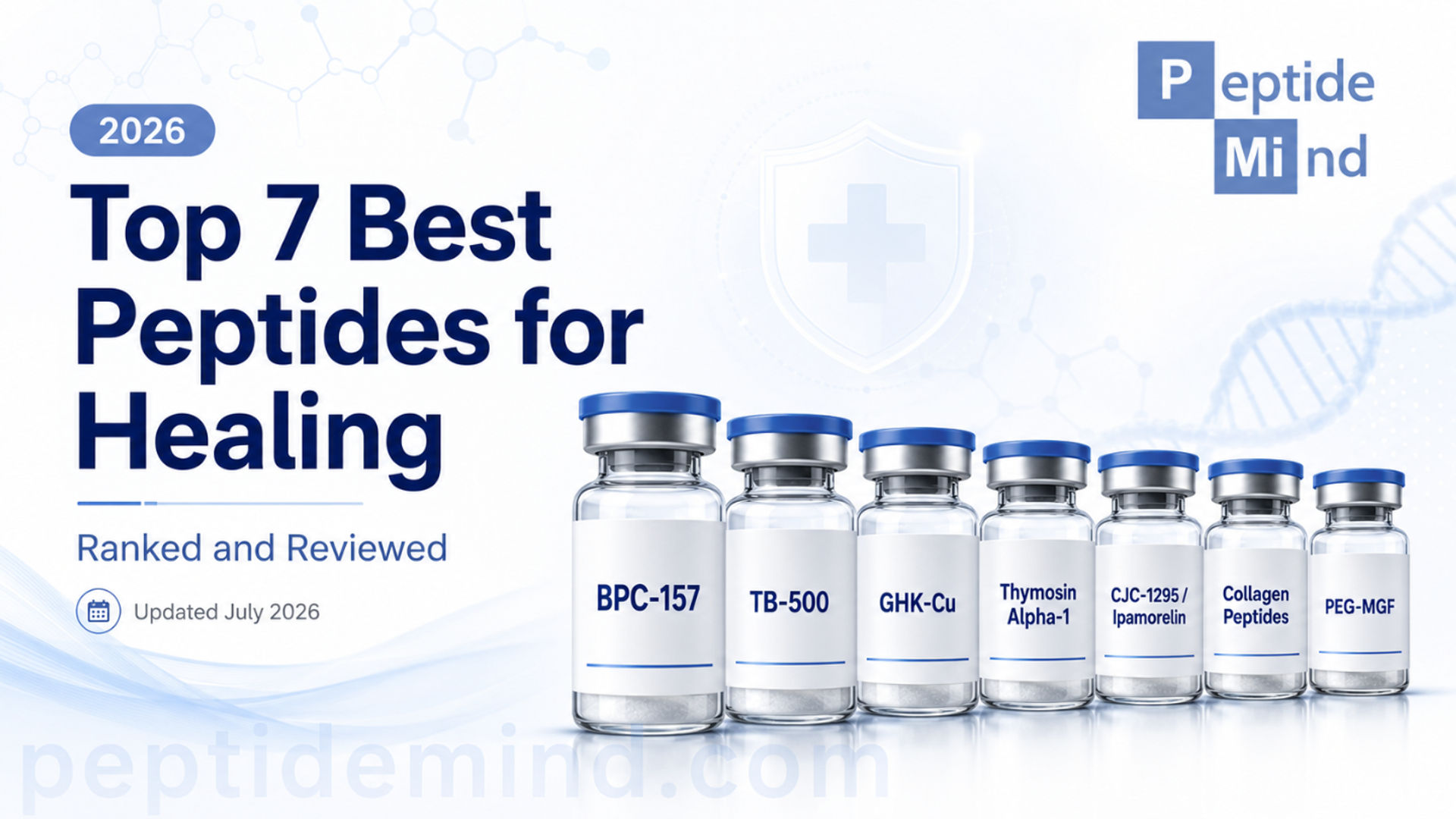

Top 7 Best Peptides for Healing in 2026 (Ranked and Reviewed)
Last updated: July 16, 2026
Finding the right peptides for healing means weighing mechanism-of-action evidence, safety data, and legal status against the specific injury you're trying to recover from, whether that's a torn tendon, gut lining damage, muscle strain, or aging skin. Our top pick is BPC-157, thanks to its uniquely broad research base spanning tendon, muscle, and gut repair alongside a favorable short-term tolerability profile in the available human data, while Collagen Peptides earns the budget and accessibility nod as the only non-injectable, over-the-counter option on this list, backed by randomized trials on skin hydration and joint comfort. These healing peptides sit alongside five other compounds worth understanding before you buy, each with its own mechanism, dosing protocol, and legal status.
Rankings are based on the strength of mechanism-of-action evidence behind each peptide, the safety profile and current legal/regulatory status of each compound, how well each one matches specific healing-specific use cases (tendon, muscle, skin, immune, joint), the typical dosing protocols and administration burden involved, and the sourcing and purity standards reported by vendors. We evaluated these seven peptides using PubMed/NCBI research reviews and vendor sourcing information.
Peptides for Healing: Quick Comparison
Before the full write-ups below, this table summarizes all 7 peptides for healing in the order they're ranked, from BPC-157 at Position 1 down to PEG-MGF at Position 7.
Peptide | Best For | Administration | Legal Status | Price Range |
|---|---|---|---|---|
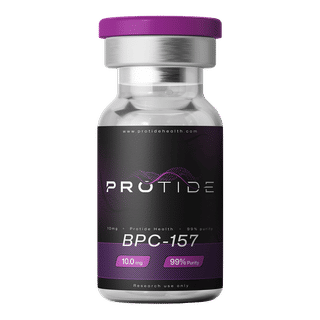
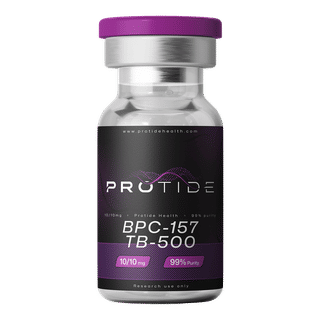
BPC-157 | Tendon, ligament, and soft-tissue recovery; gut-lining repair | Subcutaneous injection (oral formulations also used for gut-focused protocols) | Research use only; not for human consumption, sale as a supplement, or compounding | $60-$120 per 10mg vial (research-grade); $200-$500/month for supervised clinic programs |
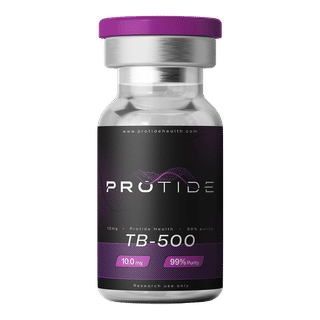
TB-500 | Tendon, ligament, and soft-tissue injuries; systemic/full-body recovery | Subcutaneous injection | Research chemical, not FDA-approved; banned for competitive athletes under WADA | $62-$165 per 10mg vial |
GHK-Cu (Copper Peptide) | Skin and dermal repair, post-surgical or chronic wound healing, hair follicle support | Subcutaneous injection or topical cream/serum | Topical form legal as a cosmetic ingredient; injectable form sold research-use only, not FDA-approved | $50-$90 for a 50mg vial |
Thymosin Alpha-1 | Immune-mediated healing, post-surgical immune support | Subcutaneous injection | Research use only outside the approved Zadaxin drug product; not compoundable without FDA authorization | $70-$90 for a 5mg vial; $90-$160 for a 10mg vial |
CJC-1295 / Ipamorelin | General recovery, muscle and connective tissue healing, sleep-driven recovery | Subcutaneous injection | Not FDA-approved; placed on FDA's Category 2 compounding-restriction list in 2023 | $70-$100 for a 10mg blend vial |
Collagen Peptides | Skin elasticity, joint and cartilage maintenance, tendon-ligament recovery | Oral powder, capsule, or ready-to-drink dose | Legal over-the-counter dietary supplement, regulated by the FDA as a food | $20-$30 per 1-kilogram container |
PEG-MGF | Muscle tissue repair after intense resistance training | Subcutaneous or intramuscular injection | Research use only; not FDA-approved, banned in competitive sport under WADA | $47-$65 for a 2mg vial |
The 7 Best Peptides for Healing
1. BPC-157
What It Is: BPC-157 (Body Protection Compound-157) is a synthetic pentadecapeptide based on a partial sequence found in human gastric juice. It is classified in the research community as a stable gastric pentadecapeptide studied for tissue-protective and tissue-repair signaling.

Why It Works:
Modulates nitric oxide bioavailability at the eNOS level, helping stabilize the balance between vasodilation and vasoconstriction in injured tissue
Upregulates VEGFR2 expression and drives VEGF-mediated angiogenesis, supporting new blood vessel formation at injury sites
Protects cell-matrix adhesion through FAK-paxillin signaling and appears to dampen local inflammatory cascades via NF-κB modulation
Best For: Tendon, ligament, and soft-tissue injury recovery, along with gut-lining and gastrointestinal repair research
Typical Protocol: Preclinical/research protocols commonly reference 200-500 mcg per day via subcutaneous injection, split into one or two daily doses (with 250 mcg once or twice daily being a frequently cited starting range); oral formulations are discussed at similar or slightly higher ranges for gut-focused use. Cycles are generally run 4-8 weeks, followed by 2-4 weeks off before repeating.

View our Healing & Recovery Peptide Cheat Sheet!
Pros:
One of the most extensively studied healing peptides in animal and in vitro models, with a broad published mechanistic literature
Reported to have a favorable short-term tolerability profile in the limited human data available, with side effects typically mild and self-limiting
Available in both injectable and oral research formulations, offering flexibility for different use cases
Cons:
Shop research peptides
Live pricing from our top-rated vendor. Prices update as vendor listings change.
No completed Phase 2 or Phase 3 human clinical trials exist; nearly all efficacy evidence comes from animal or in vitro studies
Fewer than 10 small human studies exist, none tracking use beyond about 12 weeks, so long-term safety (including cancer or fertility risk) is unknown
Currently sits in a regulatory gray zone, complicating legitimate sourcing and quality assurance
Side Effects: Most commonly reported issues are mild and short-lived: injection site soreness or reactions, occasional nausea, headache, and mild dizziness, typically resolving within hours to days. Because independent long-term human safety data is lacking, unknown risks cannot be ruled out.
Legal Status: BPC-157 is not FDA-approved as a drug and has no recognized USP/NF monograph. The FDA placed it in 503A Category 2 ("may present significant safety risks") in 2023, effectively barring compounding pharmacies from using it, then removed it from that category in April 2026 after nominators withdrew their submission, without adding it to the approved Category 1 compounding list. The FDA's Pharmacy Compounding Advisory Committee is scheduled to review BPC-157 in late July 2026 to decide whether it should be permitted on the 503A bulks list; in the interim it remains legal only as a "research use only" chemical, not for human consumption, sale as a supplement, or compounding.
Research Note: Published preclinical research, including a 2025 literature and patent review in the journal Pharmaceuticals (Józwiak et al., 2025, Pharmaceuticals), has documented BPC-157's effects on angiogenesis, nitric oxide signaling, and tissue protection in animal models, though authors note that no completed human clinical trials have been published to confirm these effects in people.
Price Range: Research-grade vials typically run $60-$120 per 10mg vial from online suppliers (research-use-only, not for human consumption); medically supervised compounded peptide programs at clinics run roughly $200-$500 per month or $445+ per cycle when consultation, sourcing, and monitoring are included.
2. TB-500
What It Is: TB-500 is a synthetic peptide fragment modeled on Thymosin Beta-4 (TB4), a naturally occurring actin-regulating protein; it is typically categorized as a synthetic growth-factor-adjacent healing peptide sold for research use only.

Why It Works:
Binds monomeric G-actin and regulates actin polymerization, which drives cell migration, cell growth, and new blood vessel formation (angiogenesis)
Supports recruitment of stem/progenitor cells to injured tissue, aiding repair of muscle, tendon, and cardiac tissue in animal studies
Modulates inflammatory signaling, tempering excessive inflammation without fully suppressing the healing response
Best For: Tendon, ligament, and soft-tissue injuries, plus systemic/full-body recovery support (as opposed to localized, single-site wound repair).
Typical Protocol: Common research protocols use a loading phase of roughly 4-8 mg per week (split into 2-3 subcutaneous injections) for 4-6 weeks, followed by a maintenance phase of about 2-6 mg biweekly for another 4-8 weeks, with a full cycle running 8-14 weeks and at least 4 weeks off before repeating.
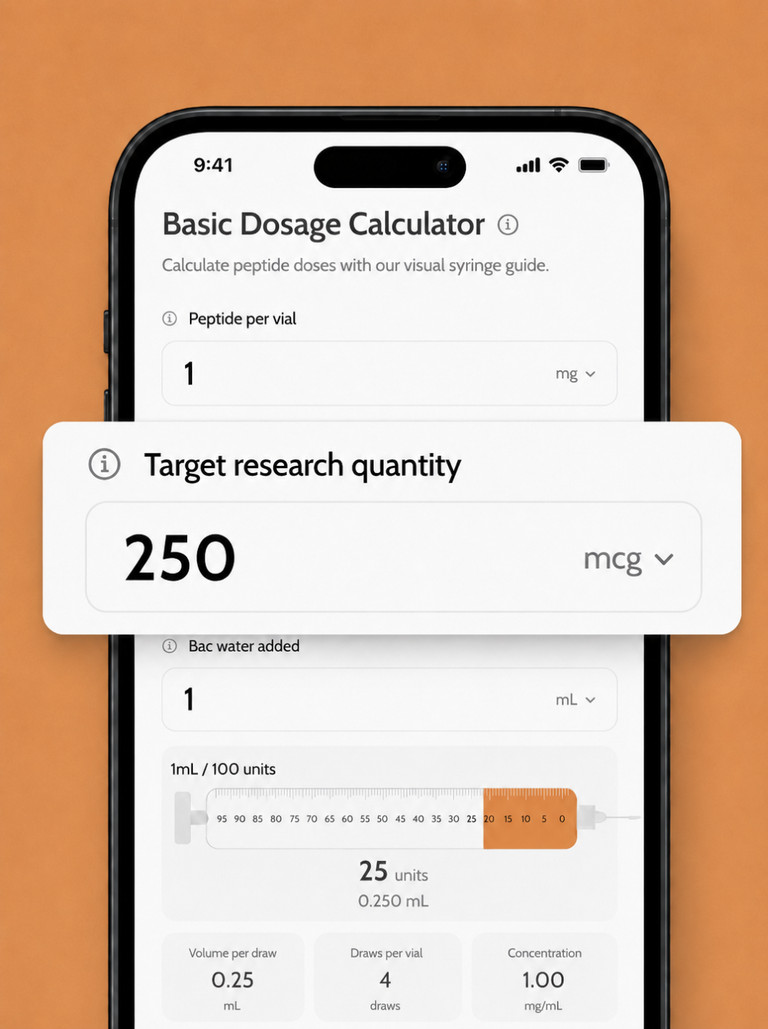
Try out the free peptide dosage calculator!
Pros:
Systemic peptide that does not need to be injected at the injury site to reach circulating therapeutic levels
Widely available with third-party Certificates of Analysis from research chemical vendors
Animal and cell-culture studies show consistent effects on wound closure speed and tissue remodeling across multiple tissue types (skin, cornea, cardiac)
Cons:
No completed human clinical trials specific to the TB-500 fragment; dosing protocols are derived from anecdotal and animal research rather than validated human data
Sold strictly as a research chemical, so quality, sterility, and purity vary by vendor
Requires reconstitution and subcutaneous injection, which some users find inconvenient compared to oral or topical options
Side Effects: Commonly reported effects include injection-site redness or irritation, mild headache, fatigue, and lightheadedness shortly after dosing; because it has not been through FDA human trials, its full long-term safety profile is undocumented.
Shop research peptides
Live pricing from our top-rated vendor. Prices update as vendor listings change.
Legal Status: Not FDA-approved for human or veterinary use; it is classified as a research chemical intended solely for laboratory use, and it is on WADA's Section S0 prohibited list, banning it for competitive athletes at all times.
Research Note: A 2025 peer-reviewed cardiac remodeling study (Thymosin Beta-4 Modulates Cardiac Remodeling by Regulating ROCK1 Expression in Adult Mammals, IJMS) reported that Thymosin Beta-4 regulates ROCK1 expression to support cardiac tissue repair after injury in mammalian models, underscoring TB-500's actin-mediated healing mechanism though the research remains preclinical rather than human-validated.
Price Range: Roughly $62 to $165 for a 10mg research vial depending on vendor and purity certification, with bulk/multi-vial discounts commonly bringing the per-vial cost down 10-25%.
3. GHK-Cu (Copper Peptide)
What It Is: GHK-Cu (glycyl-L-histidyl-L-lysine bound to copper) is a naturally occurring copper-binding tripeptide first identified in human plasma, saliva, and urine; it is typically categorized as a natural regenerative peptide rather than a synthetic growth-factor analog.
Why It Works:
Delivers copper as a cofactor for lysyl oxidase and lysyl hydroxylase, enzymes needed to cross-link and stabilize new collagen
Upregulates COL1A1 and COL1A2 collagen gene transcription along with elastin, decorin, and glycosaminoglycan production while modulating matrix metalloproteinase activity for balanced remodeling
Promotes angiogenesis and fibroblast proliferation; a gene-array analysis found that 31.2% of tested human genes showed a change of 50% or greater in expression after GHK exposure, with roughly 59% of those genes upregulated and 41% suppressed, including anti-inflammatory shifts in cytokines like TGF-beta1 and IL-6
Best For: Skin and dermal repair, post-surgical or chronic wound healing (including diabetic ulcers), and hair follicle/anti-aging support.
Typical Protocol: Injectable subcutaneous dosing generally runs 1-2mg per day, often started at 0.5-1mg for the first 1-2 weeks before increasing; common cycle structures are 30 days on (e.g., 1mg/day days 1-15, 2mg/day days 16-30) followed by a 2-4 week break, or 8-12 week cycles for more intensive use. Topical formulations (0.05%-1% concentration creams/serums) are used daily with no defined cycle limit.

Pros:
Naturally occurring in the body, giving it a favorable long-term safety profile compared to many synthetic peptides
Backed by decades of published research on collagen synthesis, wound healing, and antioxidant activity
Available in both topical (cosmetic-legal) and injectable forms depending on desired intensity
Cons:
Injectable/research-grade product is not standardized or quality-controlled the way pharmaceuticals are, so purity varies significantly by vendor
High topical concentrations can cause skin irritation, and there is limited long-term human trial data for injectable use
Side Effects: Topical use is generally well tolerated, with occasional mild redness, tingling, or dryness at the application site; injectable use carries added risks of injection-site irritation, and systemic use should be avoided during pregnancy since copper crosses the placenta and no controlled human pregnancy data exists.
Legal Status: Topical GHK-Cu is legally sold in the US as a cosmetic ingredient and in compounded prescription form. Injectable GHK-Cu is not FDA-approved for human/therapeutic use and is sold by suppliers under "research use only" labeling.
Research Note: In a gene-array analysis of skin cells reviewed by Pickart and Margolina in the International Journal of Molecular Sciences (2018), GHK produced a change of 50% or greater in expression for 31.2% of the human genes tested, with about 59% of those genes upregulated and 41% suppressed (Pickart & Margolina, 2018).
Price Range: Vendor listings put 50mg vials in roughly the $50-$90 range, while larger 100mg vials from other research-chemical suppliers run higher; these are marketplace prices for "research use only" product, not a clinical or prescription price, and can vary by vendor and purity claims.
Shop research peptides
Live pricing from our top-rated vendor. Prices update as vendor listings change.
4. Thymosin Alpha-1
What It Is: Thymosin Alpha-1 (Tα1) is a naturally occurring 28-amino acid peptide fragment derived from prothymosin alpha, a protein produced by the thymus gland; it is classified as an immune-modulating peptide and is the active ingredient in the approved pharmaceutical Zadaxin (thymalfasin).

Why It Works:
Stimulates T-cell differentiation and maturation, boosting CD4+ T-cell function and cell-mediated immunity
Activates natural killer cells and dendritic cells and induces cytokine signaling (including TLR-9/TLR-2 pathways), strengthening antiviral and antitumor defenses and supporting immune-mediated tissue recovery
Older in vitro and animal-model research found Tα1 also stimulated endothelial cell migration and angiogenesis and accelerated wound closure in a rodent punch-wound model, though this evidence predates modern clinical trials and has not been confirmed in humans
Best For: Immune-mediated healing, including recovery from chronic infections, post-surgical immune support, and general immune resilience during tissue repair.
Typical Protocol: Commonly cited protocols use 1.5-1.6 mg subcutaneously two to three times per week (mirroring the Zadaxin regimen used in hepatitis trials), often run in 4 to 16 week cycles for general wellness use, with the original clinical trials using 1.6 mg twice weekly for 6 to 12 months; exact dosing varies by source and is not standardized outside the approved drug product.
Pros:
Decades of clinical use as Zadaxin for hepatitis B/C, certain cancers, and immunodeficiency
Well-tolerated with a favorable long-term safety profile in toxicity studies
Well-documented immune-modulating mechanism (T-cell, NK-cell, and cytokine activity) that plausibly supports faster recovery from infection and surgery, with older preclinical data also suggesting a direct role in angiogenesis and wound closure
Cons:
Not FDA-approved for general wellness or anti-aging use in the United States
Requires consistent subcutaneous injections over months to see meaningful immune benefits
Side Effects: Generally well-tolerated; the most common issues are mild injection-site redness or swelling, transient fatigue, and occasional flu-like symptoms.
Legal Status: Not FDA-approved for general use in the U.S.; classified as research-use only outside of the approved Zadaxin (thymalfasin) drug product, and compounding pharmacies cannot legally prepare it for patient use without FDA authorization.
Research Note: A 1998 study in The Journal of Immunology by Malinda et al. found that Tα1 stimulated endothelial cell migration and angiogenesis in vitro and accelerated wound healing (including reepithelialization and collagen deposition) in an animal punch-wound model (Malinda et al., J Immunol 160(2):1001-1006); separately, its immune-modulating effects on T-cell and NK-cell activity, TLR-9/TLR-2 signaling, and cytokine induction are documented in more recent literature reviews.
Price Range: Research-use vendors commonly list 5 mg vials around $70-90 and 10 mg vials around $90-160, with wide variation by vendor and purity/COA verification; prices are not standardized and should be confirmed directly with a vendor.
5. CJC-1295 / Ipamorelin
What It Is: A synthetic growth-hormone-releasing peptide stack combining CJC-1295, a modified growth hormone-releasing hormone (GHRH) analog, with Ipamorelin, a selective ghrelin-receptor agonist (growth hormone secretagogue); both are lab-synthesized research peptides typically sold as a blended vial rather than a single molecule.
Why It Works:
Shop research peptides
Live pricing from our top-rated vendor. Prices update as vendor listings change.
CJC-1295 binds the GHRH receptor to raise baseline growth hormone tone, while Ipamorelin binds the ghrelin receptor (GHS-R1a) to trigger a GH pulse; the two are commonly paired because they act on different receptors in the GH-release pathway.
Elevated GH and downstream IGF-1 signaling are the proposed drivers of tissue repair, targeting bone, muscle, and connective tissue for recovery.
Published pharmacology studies on Ipamorelin (Raun and Ankersen, PMID 9849822 and PMID 9733495) report a "clean endocrine profile," meaning it did not significantly raise ACTH, cortisol, or prolactin in those trials, unlike older, less-selective GH secretagogues.
Best For: General recovery and tissue repair support, muscle and connective tissue healing, and sleep-quality-driven recovery in research or off-label anti-aging protocols.
Typical Protocol: No clinical dosing standard exists for the combined blend; per community/vendor guides, commonly self-reported doses are 100-300 mcg of each peptide per subcutaneous injection, once daily, with 8-12 week cycles frequently referenced. These figures come from vendor and community sources, not from a clinical trial of the fixed combination.
Pros:
Dual-receptor mechanism (GHRH agonist plus ghrelin-receptor agonist) is designed to produce a GH pulse via two complementary pathways rather than one.
Ipamorelin's selectivity, per early pharmacology studies, limited cortisol/prolactin elevation compared to older GH-releasing peptides.
Widely available as a pre-blended vial, simplifying dosing versus sourcing and mixing two peptides separately.
Cons:
Not FDA-approved for any indication, and as of an October 2023 FDA action, ineligible for legal compounding for human use, so supply is limited to research-use-only sellers with variable purity and quality control.
Human data for the combined blend comes mainly from community/self-reported sources rather than controlled trials of the fixed combination; the individual-compound trials that do exist are small, decades-old, and often in patient (not healthy-adult) populations.
Side Effects: Published Phase 1/2 data on CJC-1295 alone reported mild facial flushing post-injection in some participants and no serious adverse events at studied doses (Teichman et al., PMID 16352683). Beyond that, most reported side effects for the CJC-1295 + Ipamorelin combination, such as injection-site reactions, facial flushing, hand tingling, and first-week fatigue, come from self-reported community sources (peptide forums and subreddits) rather than clinical trials, since the combined blend has not been formally trialed.
Legal Status: CJC-1295 and Ipamorelin Acetate are not FDA-approved for any use. In October 2023 the FDA placed both on Category 2 of the interim 503A bulk drug substances list, meaning it identified "significant safety risks"; under Section 503A rules a Category 2 listing effectively prohibits compounding pharmacies from making them for human use, rather than enabling prescription access. This restricts (not permits) compounded availability, leaving research-use-only sales as the main legal channel for the raw peptides. They are not scheduled controlled substances but are banned in competitive sport under WADA rules.
Research Note: Ipamorelin's selective GH release without significant cortisol/prolactin elevation is documented in Raun and Ankersen's pharmacology papers (PMID 9849822, PMID 9733495), and CJC-1295's tolerability was assessed in Teichman et al.'s Phase 1/2 trial (PMID 16352683); no published trial has tested the two compounds together as a fixed combination.
Price Range: Research-peptide vendors commonly price a 10mg blend vial (5mg CJC-1295 + 5mg Ipamorelin) at roughly $70-100, with 5mg blends around $35-55 and 20mg blends around $90-160.
6. Collagen Peptides
What It Is: Collagen peptides are hydrolyzed fragments of naturally occurring structural protein, most often sourced from bovine hide, fish skin, or eggshell membrane, and are classified as a dietary/nutraceutical protein supplement rather than a synthetic signaling peptide.

Why It Works:
Provides bioavailable glycine, proline, and hydroxyproline, the primary amino acids used to rebuild collagen in skin, tendon, ligament, and cartilage tissue
Small collagen-derived peptide fragments (e.g. Pro-Hyp, Hyp-Gly) act as signaling molecules that stimulate fibroblast activity and increase endogenous collagen synthesis
Supports reductions in collagenase/gelatinase enzyme activity, which helps limit connective tissue breakdown and improves skin elasticity and hydration
Best For: Skin elasticity/anti-aging support, joint pain and cartilage maintenance, and general connective tissue and tendon-ligament recovery
Typical Protocol: 1 g/day has been used in trials for skin hydration and elasticity (RCT, PMC6073484), while 5-15 g/day is the range studied for joint health and muscle recovery, with 15 g/day showing greater benefit than 5 g/day (systematic review, PMC8521576); taken orally as a mixed powder, capsule, or ready-to-drink dose, generally used continuously or in 8-12 week cycles to assess effect
Pros:
Shop research peptides
Live pricing from our top-rated vendor. Prices update as vendor listings change.
Widely available, inexpensive, and legal over-the-counter with no prescription needed
Strong safety track record from decades of dietary use
Supported by multiple randomized controlled trials for skin hydration/elasticity and joint comfort
Cons:
Effect sizes are often modest and some trials show outcomes close to placebo
Requires weeks to months of consistent daily use before noticeable benefit
Not a substitute for injury-specific treatment in acute or severe injuries
Side Effects: Generally well tolerated; occasional mild digestive effects such as bloating, heartburn, or a feeling of fullness have been reported, with no major adverse events documented in clinical trials.
Legal Status: Sold legally worldwide as an over-the-counter dietary supplement/food ingredient; regulated by the FDA as a food/supplement (not a drug), with no prescription or research-use-only restrictions.
Research Note: A systematic review in the Journal of the International Society of Sports Nutrition (PMC8521576) found collagen peptide supplementation combined with exercise improved markers of collagen synthesis and supported recovery from joint injury, while a separate randomized, double-blind, placebo-controlled trial (PMC6073484) showed low-molecular-weight collagen peptide intake significantly improved skin hydration, elasticity, and wrinkling over 12 weeks.
Price Range: Approximately $20-30 per 1-kilogram (about 90-day supply) container of hydrolyzed bovine collagen peptide powder from mainstream retailers such as Vital Proteins and Target, roughly $1-1.50 per ounce.
7. PEG-MGF
What It Is: PEG-MGF (PEGylated Mechano Growth Factor) is a synthetic, PEGylated version of an IGF-1 splice variant produced in muscle tissue after mechanical loading; it is classified as a research-use-only growth-factor peptide rather than an approved therapeutic.
Why It Works:
PEGylation attaches polyethylene glycol to the MGF molecule, extending its half-life from just 5-7 minutes (unmodified MGF) to roughly 48-72 hours, allowing more sustained signaling
Theorized to activate and proliferate skeletal muscle satellite cells, supporting local muscle repair and hypertrophy pathways tied to IGF-1 splice-variant signaling (Hill & Goldspink, 2003, J Physiol)
Proposed to aid regeneration of tissue damaged by intense mechanical stress, though this is based mainly on mechanistic, animal, and cell-model research rather than confirmed human clinical outcomes
Best For: Muscle tissue repair and recovery from intense resistance training or weightlifting-related micro-injury (unapproved, research-only use case; no established clinical indication).
Typical Protocol: Commonly discussed protocols cite 150-400 mcg administered via subcutaneous or intramuscular injection, 2-3 times per week, over cycles of roughly 8-10 weeks; no standardized or regulator-reviewed dosage exists.
Pros:
Extended half-life compared to unmodified MGF, in theory allowing fewer, more practical dosing intervals
Mechanism aligns with well-studied endogenous muscle-repair biology (satellite cell activation, IGF-1 pathway)
Widely available from research-chemical vendors for lab/research purposes
Cons:
No FDA approval, no completed human clinical trials, and no regulator-reviewed safety or efficacy data
Prohibited in competitive sport under WADA growth-factor rules
Product quality and purity vary significantly between unregulated research-chemical suppliers
Side Effects: Not well characterized due to the absence of an approved label; commonly reported issues from anecdotal and preclinical sources include injection-site irritation, fatigue or flu-like symptoms, muscle tightness/cramps, temporary water retention, and theoretical immune reactions to the PEG component.
Shop research peptides
Live pricing from our top-rated vendor. Prices update as vendor listings change.
Legal Status: Not FDA-approved for human use; sold in a legal gray area strictly for research purposes, not a controlled substance in the U.S. but banned for use in competitive sport and not authorized for compounding into human-use products.
Research Note: Research on MGF's role in satellite cell activation and muscle regeneration builds on the foundational work of Geoffrey Goldspink on IGF-1 splice variants and mechanical loading, though this body of work centers on endogenous MGF expression after exercise rather than exogenous PEG-MGF administration in humans.
Price Range: Research-chemical vendors typically price a 2 mg vial around $47-65, with bulk-order discounts bringing the per-vial cost down to roughly $24; 5 mg and 10 mg vials are also commonly sold at higher price points.
Are Peptides for Healing Legal and Safe?
Most peptides for healing sit in the same regulatory gray zone: sold as "research use only" chemicals, not approved by the FDA for human use. BPC-157, TB-500, CJC-1295/Ipamorelin, and PEG-MGF all fall into this group, and BPC-157 and CJC-1295/Ipamorelin have specifically been named on the FDA's interim 503A bulk drug substances list. BPC-157 was placed in Category 2 ("may present significant safety risks") in 2023, removed from that category in April 2026, and is now set for a Pharmacy Compounding Advisory Committee review in late July 2026, while CJC-1295 and Ipamorelin were placed in Category 2 back in October 2023; both listings currently block compounding pharmacies from preparing these peptides for patients. Thymosin Alpha-1 is similarly restricted for general wellness use, though its active ingredient is FDA-approved in the prescription drug Zadaxin. GHK-Cu splits by form: topical versions are legally sold as a cosmetic ingredient, while injectable GHK-Cu is unapproved and sold under research labeling only. Collagen Peptides is the outlier, regulated by the FDA as a food/dietary supplement with no prescription or research-only restriction.
Side effects reported across these peptides are mostly mild and localized: injection-site soreness or redness, occasional headache, fatigue, or lightheadedness show up repeatedly for BPC-157, TB-500, GHK-Cu, Thymosin Alpha-1, and CJC-1295/Ipamorelin, with PEG-MGF users also reporting flu-like symptoms and temporary water retention. Collagen Peptides, taken orally, carries the mildest profile, with occasional bloating or heartburn. Because independent long-term human trials are limited for the injectable options, unknown risks cannot be ruled out. This is general information, not medical advice.
Given the research-use-only status of most of these compounds, buy only from vendors that publish third-party Certificates of Analysis confirming purity, and talk to a physician before starting any peptide protocol, especially one involving injectable compounds with limited human safety data.
Which Peptide Is Best for Your Healing Goal?
The right choice depends on what you're actually trying to heal. Here's how the seven peptides on this list map to specific recovery goals:
For tendon healing, BPC-157 is the peptide most often cited for localized tendon, ligament, and soft-tissue injury recovery, while TB-500 offers a more systemic, full-body approach to the same tendon and ligament repair goal.
For cartilage and joint support, Collagen Peptides is the pick, since its amino acid profile (glycine, proline, hydroxyproline) directly supports cartilage maintenance and connective tissue repair.
For wound and skin healing, GHK-Cu stands out for post-surgical and chronic wound repair, including diabetic ulcers, along with dermal and skin-elasticity support.
If muscle repair is the goal, PEG-MGF targets localized muscle tissue repair after intense resistance training, while CJC-1295/Ipamorelin supports muscle and connective tissue healing through a systemic growth-hormone pathway.
For immune-mediated healing, Thymosin Alpha-1 is the standout, supporting recovery from chronic infection and post-surgical immune function through its T-cell and natural-killer-cell activity.
Because several of these goals overlap (a tendon injury can also involve inflammation and immune response, for example), a physician or peptide specialist can help combine peptides safely for compound healing goals rather than guessing at a stack on your own.
What to Look for When Sourcing Healing Peptides
Because compounds like TB-500, Thymosin Alpha-1, and GHK-Cu are sold as research chemicals rather than pharmaceuticals, purity and manufacturing quality vary widely from one vendor to the next. Before buying, check for the following:
Third-party Certificate of Analysis (COA): Look for a COA from an independent lab, not just an in-house test sheet, that lists batch numbers matching the vial label and includes an actual chromatogram image rather than a single purity percentage.
HPLC and mass spec purity verification: A credible COA reports purity by high-performance liquid chromatography, typically 98% or higher, alongside mass spectrometry data confirming the peptide's molecular identity and sequence.
GMP-compliant manufacturing: Favor vendors that disclose GMP-aligned production practices, since consistent manufacturing conditions reduce batch-to-batch variability in sterility and dosing accuracy.
Shipping and storage: Reconstituted peptides need refrigeration, and lyophilized vials should ship and store properly sealed to prevent degradation before use.
Avoid vendors that market unverified "research chemicals" with no COA, no batch tracking, and no way to confirm what is actually in the vial.
FAQ: Peptides for Healing
What is the most popular peptide for healing?
BPC-157 is the most researched and widely used peptide on any list of the best peptides for healing, thanks to a mechanism that spans tendon, muscle, and gut-lining repair rather than a single tissue type. It carries one of the broadest published mechanistic literatures of any healing peptide, including a 2025 literature and patent review in Pharmaceuticals covering its angiogenesis and nitric-oxide effects, giving it a longer research track record than the other six compounds on this list.
What is the best peptide for tendon healing?
BPC-157 and TB-500 are the two peptides most commonly cited for tendon and ligament repair. BPC-157 acts locally at the injury site, upregulating VEGFR2 and stabilizing nitric oxide signaling, while TB-500 works systemically, binding G-actin to recruit repair cells throughout the body rather than only where it is injected. Either fits a tendon-focused protocol, but the choice depends on whether the injury is localized or spread across multiple sites.
Shop research peptides
Live pricing from our top-rated vendor. Prices update as vendor listings change.
Are healing peptides legal?
Most healing peptides are sold as "research use only" chemicals without FDA approval for human use. BPC-157, TB-500, CJC-1295/Ipamorelin, and PEG-MGF all fall under this restriction, with BPC-157 and CJC-1295/Ipamorelin having specifically appeared on the FDA's interim 503A bulk drug substances list. Thymosin Alpha-1 and injectable GHK-Cu carry similar research-only status, while Collagen Peptides is regulated as a food. Legal status varies by compound, so verify current regulations before purchase.
How long does it take for BPC-157 to start healing an injury?
Typical BPC-157 research protocols run 4 to 8 weeks, commonly using 200-800 mcg per day split into one or two subcutaneous doses, with 250 mcg once or twice daily frequently cited as a starting range. No human trial has tracked use beyond about 12 weeks, so timelines within that window are based on preclinical data, and individual results vary by injury type and severity.
What is the best peptide for muscle recovery?
For peptides for muscle recovery, PEG-MGF and CJC-1295/Ipamorelin are the top picks, though they work differently. PEG-MGF's extended half-life supports localized muscle repair by activating satellite cells near the site of mechanical stress, while CJC-1295/Ipamorelin raises growth hormone and downstream IGF-1 signaling systemically, targeting bone, muscle, and connective tissue recovery more broadly rather than one specific muscle group.
Can you stack multiple healing peptides together?
Stacking, such as combining BPC-157 with TB-500 for overlapping tendon and systemic repair goals, is a common practice among people pursuing compounded healing outcomes. Because these peptides share overlapping side effect profiles, including injection-site soreness, headache, and fatigue, and because none have completed human trials confirming safety in combination, stacking should only be done under the guidance of a physician or peptide specialist rather than self-directed. For a look at how these pairings are actually structured, including cycle lengths and what each combination costs to run, see our comparison of the most common peptide stacks.
Final Verdict: Best Peptides for Healing in 2026
BPC-157 is the strongest overall choice for anyone dealing with a tendon, ligament, or soft-tissue injury, since its mechanism spans localized angiogenesis, nitric oxide regulation, and gut-lining repair in one compound. If the injury is systemic or spread across multiple sites rather than confined to one joint, TB-500 is worth prioritizing instead, since its actin-regulating mechanism recruits repair cells throughout the body rather than acting only where it's injected. Anyone focused on skin, post-surgical, or chronic wound recovery gets more targeted value from GHK-Cu, which drives collagen cross-linking and fibroblast activity at the site of the wound. Pairing any injectable healing peptide with a topical copper-peptide serum for the surrounding skin is a reasonable complementary step, since GHK-Cu is also sold in cosmetic-legal topical form for surface-level support. Given the regulatory gray zone these compounds occupy and the limited human trial data behind them, talk to a physician before starting any peptide protocol.
Add a comment
This will be publicly visible.
Your email address will not be published.
Your comment will be reviewed by an admin before it is published.