The 8 Best Peptide Stacks for 2026 (By Goal: Fat Loss, Muscle, Recovery and More)
The 8 best peptide stacks ranked by goal: fat loss, muscle growth, recovery, and longevity. Real protocols, clinical data, and cost breakdowns.

The 8 Best Peptide Stacks for 2026
Last updated: April 23, 2026
The best peptide stack depends entirely on your primary goal. For fat loss, Tesamorelin + Ipamorelin is the most clinically grounded option, backed by Phase 3 trial data showing 15-18% visceral adipose tissue reduction at 26 weeks. For muscle growth and body recomposition, CJC-1295 + Ipamorelin is the most widely used peptide blend, with the triple-blend addition of IGF-1 LR3 reserved for advanced athletes who want direct IGF-1 receptor stimulation alongside GH output. For tissue repair, BPC-157 + TB-500 (the Wolverine Stack) is the top choice, combining local and systemic repair pathways that no single peptide replicates. Researchers wanting broader coverage sometimes step up to the four-peptide KLOW blend, which adds GHK-Cu and KPV; our KLOW peptide benefits guide grades what each addition is supported by. Research-grade peptide blends start as low as $79-$140 per month for self-directed protocols; supervised clinical programs range from $249 to $600 per month depending on the stack and provider.
Rankings are based on clinical evidence depth, mechanistic synergy between peptides in the stack, documented results timelines, cost per cycle, and administration complexity. We evaluated over 40 individual peptides and more than 30 documented combinations sourced from published human and preclinical trials, regulatory filings, and compounding pharmacy protocols before narrowing to the 8 stacks that offer the strongest goal-to-outcome alignment and the most complete evidence base.
How the 8 Best Peptide Stacks Compare
Peptide Stack | Primary Goal | Experience Level | Administration | Approx. Monthly Cost |
|---|---|---|---|---|
CJC-1295 + Ipamorelin | Body recomposition, GH optimization | Beginner-Intermediate | Subcutaneous injection, 5x/week | $125-$399 |
BPC-157 + TB-500 (Wolverine Stack) | Soft-tissue repair, injury recovery | Beginner-Intermediate | Subcutaneous injection, daily | $150/vial; ~$450-$600/cycle |
Sermorelin + Ipamorelin + CJC-1295 | Anti-aging, comprehensive GH restoration | Intermediate-Advanced | Subcutaneous injection, nightly | $350-$600 |
IGF-1 LR3 + CJC-1295 + Ipamorelin | Maximum muscle hypertrophy, recomposition | Advanced | Subcutaneous injection, split protocol | $300-$750 |
BPC-157 + TB-500 + GHK-Cu (GLOW Blend) | Tissue repair + skin regeneration | Intermediate | Subcutaneous injection, daily | $260-$439/cycle |
MK-677 + CJC-1295 | Body recomposition, recovery, sleep | Intermediate | Oral (MK-677) + injection (CJC-1295) | $140-$200/cycle |
Tesamorelin + Ipamorelin | Visceral fat loss, lean mass preservation | Beginner-Intermediate | Subcutaneous injection, 5x/week | $100-$300 |
Thymosin Alpha-1 + BPC-157 | Immune restoration + tissue repair | Intermediate-Advanced | Subcutaneous injection, twice weekly | $240-$500 |
The 8 Best Peptide Stacks (Ranked)
1. CJC-1295 + Ipamorelin: The Gold Standard for Natural GH Optimization
Best for: Adults over 30 seeking to improve body composition, accelerate recovery, and boost energy through enhanced endogenous growth hormone production.

Peptides in this blend:
CJC-1295: A 29-amino-acid GHRH analog that extends the half-life of growth hormone-releasing hormone to 6-8 days, sustaining baseline GH elevation throughout the day.
Ipamorelin: A selective ghrelin-mimicking growth hormone secretagogue that triggers sharp, pulsatile GH release from the pituitary without significantly raising cortisol or prolactin.
How it works: CJC-1295 binds GHRH receptors on somatotrophs in the anterior pituitary, extending the window of GH stimulation via covalent binding to serum albumin (DAC version) or through tetra-substituted structural modifications that resist enzymatic degradation (no-DAC version). Ipamorelin acts on the GHS-R1a ghrelin receptor in the hypothalamus and pituitary to produce an immediate, additive GH pulse. Together, the two peptides create a complementary time-release profile: sustained baseline stimulation from CJC-1295 layered with pulsatile bursts from Ipamorelin, closely mirroring the body's natural GH secretion pattern. A 2006 human trial published in the Journal of Clinical Endocrinology and Metabolism documented approximately 7.5-fold increases in GH pulsatility with CJC-1295 compared to placebo.
Key benefits:
Fat loss: Elevated GH and downstream IGF-1 promote preferential mobilization of visceral and subcutaneous fat while preserving lean mass.
Muscle recovery: Faster post-workout recovery and enhanced protein synthesis driven by increased GH and IGF-1 signaling.
Sleep quality: Increased GHRH activity reduces wakefulness and promotes slow-wave (deep) sleep, during which the bulk of GH secretion naturally occurs.
Anti-aging: Improved skin thickness, collagen synthesis, and cellular regeneration linked to higher circulating IGF-1 levels.
Administration: Subcutaneous injection into abdominal fat, thigh, or upper arm; standard starting dose is 100-200 mcg of each peptide per injection, 5 days per week, administered at bedtime at least 2 hours after the last meal; typical cycle length is 8-16 weeks followed by a 4-8 week break to prevent receptor desensitization.
Results timeline: Sleep quality and recovery improvements are typically noticed within the first 1-2 weeks; energy and mental clarity improvements appear around weeks 3-4; visible body composition changes (leaner midsection, fuller muscles) generally emerge at weeks 4-8; peak fat loss and muscle tone results occur between months 3-6 with consistent use.
Pros | Cons |
|---|---|
Stimulates natural GH production rather than introducing synthetic hormones | Off-label use only; not FDA-approved for body composition or anti-aging |
Ipamorelin does not raise cortisol or prolactin, unlike older GHRPs such as GHRP-2 | Requires daily or near-daily subcutaneous injections for the duration of the cycle |
Complementary mechanisms produce more complete GH axis stimulation than either peptide alone | Increased cellular replication is contraindicated for individuals with active or prior cancer |
Well-tolerated with mild and transient side effects in most users | Clinical-grade supervised therapy costs $249-$499 per month, which is not covered by insurance |
Typical cost: Research-grade vials (for laboratory use): approximately $125 for a 10/10mg blend vial; supervised clinical therapy via telemedicine providers ranges from $249-$399 per month (ConciergeMD lists a 3-month supply at $1,299).
Our take: CJC-1295 + Ipamorelin is the most widely used peptide combination for GH optimization because it replicates the body's own pulsatile secretion pattern rather than flooding the system with exogenous hormone. It is best suited for adults who want meaningful improvements in body composition, sleep, and recovery without the risks associated with synthetic HGH injections. Those seeking supervised, protocol-guided therapy should budget $250-$400 per month through a licensed telemedicine clinic for the full cycle.
Shop research peptides
Live pricing from our top-rated vendor. Prices update as vendor listings change.
2. BPC-157 + TB-500: The Wolverine Stack for Accelerated Tissue Repair
Best for: Athletes, post-surgical patients, and anyone dealing with stubborn tendon, ligament, or muscle injuries who want to speed up recovery through a dual-action repair protocol.
Peptides in this blend:
BPC-157: A 15-amino-acid peptide derived from a gastric juice protein that acts locally at injury sites to stimulate angiogenesis, fibroblast proliferation, and collagen synthesis via the VEGFR2/Akt-eNOS pathway.
TB-500: A synthetic fragment of Thymosin Beta-4 that works systemically by regulating actin polymerization to drive cell migration toward damaged tissue and promote new blood vessel formation throughout the body.
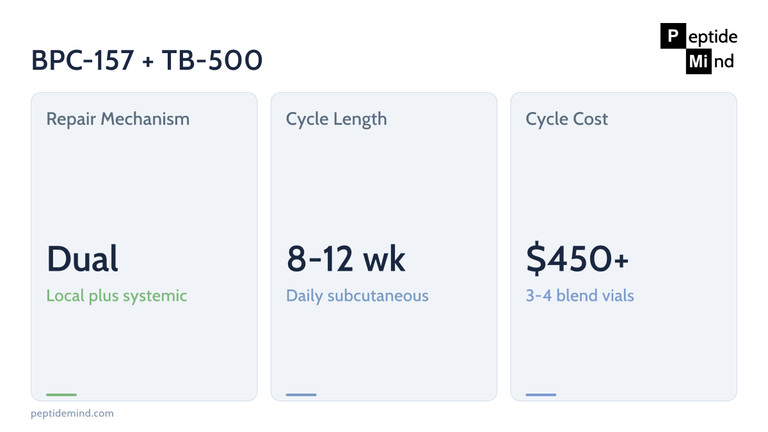
How it works: BPC-157 initiates localized repair by upregulating VEGFR2 and ERK1/2 signaling, which drives new blood vessel growth, fibroblast migration, and collagen remodeling at the injury site. TB-500 complements this by mobilizing stem cells and repair cells systemically, ensuring a broad supply of regenerative resources reaches damaged tissue. Together they address tissue damage through two distinct but reinforcing tracks: local structural repair and systemic cellular recruitment, with both peptides also reducing pro-inflammatory cytokines to lower the inflammatory burden on healing tissue.
Key benefits:
Tendon and ligament repair: BPC-157 has demonstrated accelerated tendon healing and improved collagen synthesis even in the presence of corticosteroids in preclinical studies.
Muscle regeneration: Preclinical data shows significantly enhanced myogenesis, muscle fiber regeneration, and functional recovery post-injury with BPC-157.
Inflammation reduction: Both peptides independently shift macrophage activity toward reparative phenotypes and reduce pro-inflammatory cytokines, compressing the acute inflammation window.
Flexibility and range of motion: TB-500's actin-regulation mechanism supports connective tissue remodeling that improves tissue pliability and joint mobility as healing progresses.
Administration: Subcutaneous injection once daily, rotating sites across the abdomen, thighs, and upper arms. Standard protocol uses 300 mcg of each peptide (600 mcg total) daily for weeks 1-2, ramping to 400 mcg each (800 mcg total) for weeks 3-4, then returning to 300 mcg each for weeks 5-8. Cycle length is 8-12 weeks for most users, with up to 16 weeks for chronic or post-surgical cases, followed by a 30-day washout period.
Results timeline: Most users report reduced pain and inflammation within 1-2 weeks of starting the protocol. Meaningful structural improvements in tendon and ligament integrity, along with enhanced range of motion, are typically observed between weeks 4-8. Peak results for chronic injuries generally emerge by the end of a full 8-12 week cycle.
Pros | Cons |
|---|---|
Dual-mechanism coverage: local repair (BPC-157) plus systemic cell recruitment (TB-500) | Neither peptide is FDA-approved for human use; both are classified as investigational compounds |
Broad tissue applicability: tendons, ligaments, muscles, nerves, skin, and gut lining | WADA banned BPC-157 in 2022 and the FDA classified it as a prohibited compounding ingredient in 2023 |
Strong preclinical safety record with no teratogenic, genotoxic, or anaphylactic effects reported | Human clinical data is limited to three small published trials on BPC-157 with no large-scale RCTs |
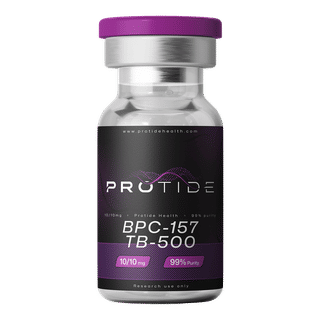
Typical cost: Research-grade pre-blended vials (10 mg BPC-157 + 10 mg TB-500, 20 mg total) run approximately $150 per vial from US-based vendors. A pre-blended vial like this fixes the ratio between components at the point of manufacture; see Peptide Mind's peptide blend glossary entry for how that differs from stacking separate vials yourself. A standard 8-week cycle at 600-800 mcg/day requires 3-4 vials, putting the DIY research cost at roughly $450-$600 per cycle.
Our take: BPC-157 + TB-500 is the most well-rounded recovery blend available, combining two peptides with distinct but complementary repair pathways that address injury from both local and systemic angles. It is the top choice for anyone recovering from a soft-tissue injury, post-surgical repair, or chronic overuse condition where standard protocols have stalled. The lack of FDA approval and limited human trial data mean it carries regulatory and uncertainty risk that users must weigh carefully against the compelling preclinical evidence and early clinical signals.
3. Sermorelin + Ipamorelin + CJC-1295: Sustained GH Optimization for Anti-Aging and Body Composition
Best for: Adults over 35 experiencing age-related decline in growth hormone who want a comprehensive, multi-pathway approach to fat loss, lean muscle retention, better sleep, and recovery without synthetic HGH.
Peptides in this blend:
Sermorelin: A short-acting GHRH analog (10-20 minute half-life) that stimulates the pituitary to release GH in natural nightly pulses, providing a gentle foundational layer to the stack.
Ipamorelin: A selective ghrelin-receptor agonist that amplifies GH pulse amplitude without raising cortisol, prolactin, or appetite hormones, making it the cleanest GHRP in clinical use.
CJC-1295: A longer-acting GHRH analog (30-minute half-life without DAC, or 6-8 days with DAC) that sustains GH pulse frequency and drives a 1.5-3x increase in IGF-1 levels for up to 9-11 days per dose.
Shop research peptides
Live pricing from our top-rated vendor. Prices update as vendor listings change.
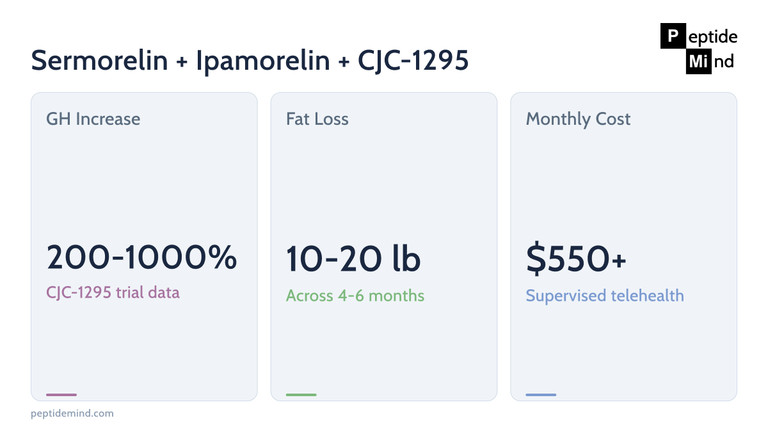
How it works: Sermorelin and CJC-1295 both bind GHRH receptors in the pituitary but at different durations, while Ipamorelin activates the separate ghrelin receptor (GHS-R1a), creating a dual-receptor synergy that produces significantly greater GH output than either class alone. Clinical research confirms that combining a GHRH analog with a growth hormone releasing peptide (GHRP) has a synergistic effect on GH release greater than either used independently, with CJC-1295 trials demonstrating a 200-1000% increase in GH secretion and a 1.5-3x IGF-1 elevation sustained for up to 11 days. Both compound families fall under the growth hormone secretagogue umbrella, a category explained further in Peptide Mind's GHS glossary entry. Adding Sermorelin to the CJC-1295/Ipamorelin pairing reinforces the nightly pulsatile GH rhythm, more closely replicating youthful endogenous hormone patterns.
Key benefits:
Fat loss and body recomposition: Elevated IGF-1 and GH increase lipolysis and shift fuel utilization toward stored fat, with clinical outcomes of 10-20+ lbs of fat loss over 4-6 months alongside 3-8 lbs of lean muscle gain.
Sleep quality improvement: Ipamorelin and GHRH analogs increase slow-wave sleep, with most users reporting deeper, more restorative sleep within the first 1-2 weeks of therapy.
Lean muscle preservation: GH-driven IGF-1 elevation supports skeletal muscle protein synthesis, with a 2013 study confirming improved muscle strength in men over 50 after six months of GH-secretagogue therapy.
Recovery acceleration: Elevated GH improves collagen synthesis and tissue repair, reducing exercise recovery time and supporting connective tissue health over a multi-month cycle.
Administration: Subcutaneous injection (abdomen, thigh, or upper arm) once nightly, administered 2-3 hours after the last meal to avoid insulin interference with GH release; typical cycle is 3 months on, 1 month off, repeated up to three times per year; physician supervision and compounding pharmacy prescription required.
Results timeline: Sleep improvements and energy gains are typically the first changes, appearing within 1-2 weeks; body composition changes (fat loss, improved muscle definition) become visible between weeks 6-12; peak results in fat loss, muscle tone, skin quality, and recovery are reached around months 4-6 of consistent use.
Pros | Cons |
|---|---|
Dual-receptor synergy produces significantly greater GH output than single peptides | All three peptides require prescription and are off-label compounded medications not FDA-approved as a combination |
Ipamorelin's selectivity keeps cortisol and prolactin flat, avoiding hormonal side effects common with older GHRPs | Requires daily subcutaneous self-injection with proper cold-chain storage |
Sermorelin has the longest clinical track record of any GHRH analog, with FDA approval history since the 1990s | Results require 4-6 months of consistent use; discontinuation leads to gradual return to baseline GH levels |
Typical cost: CJC-1295/Ipamorelin combination therapy through supervised telehealth or concierge medical providers runs $399-$499 per month, with 3-month packages available around $1,299; adding Sermorelin to the stack increases cost, with Sermorelin alone priced at $150-$225/month through telehealth; total triple-blend programs through compounding pharmacies typically run $350-$600 per month depending on provider and dosage. Research peptides like CJC-1295/Ipamorelin cost anywhere from $125 - $150, while Sermorelin costs anywhere from $50 - $120 depending on the mg contents.
Our take: This triple blend is the most comprehensive GH-optimization stack available through supervised peptide therapy, suited for adults who want to address the multi-dimensional effects of age-related GH decline including body composition, sleep, recovery, and skin health simultaneously. The combination of Sermorelin's established safety record, Ipamorelin's clean selectivity, and CJC-1295's sustained IGF-1 elevation makes it a logical choice over any single peptide, though the monthly cost and daily injection commitment mean it is better suited to motivated patients with clear anti-aging or recomposition goals rather than casual users.
4. IGF-1 LR3 + CJC-1295 + Ipamorelin: Maximum Muscle Growth and Body Recomposition
Best for: Advanced athletes and bodybuilders who want simultaneous muscle hypertrophy, fat loss, and faster recovery by targeting both GH stimulation and direct IGF-1 receptor signaling.

Peptides in this blend:
IGF-1 LR3: A structurally modified form of insulin-like growth factor-1 with a half-life up to 120 times longer than endogenous IGF-1, directly stimulating muscle fiber development and protein synthesis at the cellular level.
CJC-1295: A long-acting GHRH (growth hormone-releasing hormone) analog with an 8-10 day half-life in humans that binds serum albumin to sustain elevated GH and IGF-1 levels for 6-11 days after a single injection.
Ipamorelin: A selective ghrelin-mimetic growth hormone secretagogue that triggers GH pulses from the pituitary without significantly raising cortisol, prolactin, or other hormones, making it one of the cleanest GH releasers available.
How it works: CJC-1295 and Ipamorelin act on two distinct receptor pathways (GHRH receptor and ghrelin receptor respectively), and because they work through different mechanisms, their combined GH release is substantially greater than either alone - early human and animal data show 2-3x larger GH pulses when the two are co-administered. This elevated GH signal then drives the liver to produce more endogenous IGF-1, while the exogenously added IGF-1 LR3 bypasses the liver entirely to directly activate IGF-1 receptors in muscle tissue, extending the anabolic window considerably. The triple stack therefore hits GH stimulation upstream and IGF-1 signaling downstream simultaneously, producing overlapping anabolic effects across multiple pathways.
Key benefits:
Accelerated muscle hypertrophy: IGF-1 LR3 directly stimulates muscle fiber proliferation and protein synthesis at the cellular level, independent of GH levels.
Sustained fat loss: Elevated GH promotes lipolysis (fat mobilization), and IGF-1 LR3 inhibits glucose uptake into fat cells, shifting energy metabolism toward stored fat.
Improved sleep and recovery: CJC-1295 and Ipamorelin are typically dosed before bed, and users consistently report deeper, more restorative sleep within 1-2 weeks, which accelerates muscle repair.
Enhanced joint and connective tissue repair: Elevated IGF-1 activity supports collagen synthesis and tissue remodeling, reducing recovery time from training stress and injury.
Administration: All three peptides are administered via subcutaneous injection. CJC-1295 and Ipamorelin are injected together at 100-300 mcg each, 5 days on / 2 days off, on an empty stomach 30 minutes before bed. IGF-1 LR3 is dosed separately at 50-100 mcg once daily in the morning or immediately post-workout (with carbohydrates available) to avoid compounding hypoglycemic risk. Cycle length for IGF-1 LR3 is 4-6 weeks on / 4 weeks off; CJC-1295 and Ipamorelin run 8-16 weeks with a corresponding 4-8 week break.
Results timeline: Sleep quality and recovery improvements are typically noticed within 1-2 weeks. Visible body composition changes (reduced bloat, leaner appearance) emerge at weeks 4-6. Significant lean muscle accrual and fat loss become measurable by months 2-3. Advanced users report 5-10 lbs of lean muscle gain per full cycle.
Pros | Cons |
|---|---|
Triple-mechanism approach covers GH stimulation and direct IGF-1 signaling simultaneously | IGF-1 LR3 must be injected at a different time than CJC-1295/Ipamorelin, adding protocol complexity |
Ipamorelin's selectivity avoids cortisol and prolactin spikes seen with non-selective secretagogues | IGF-1 LR3 is no longer available through licensed compounding pharmacies in the US (FDA removed it from the bulk drug substances list in January 2023) |
CJC-1295's 8-10 day half-life allows less frequent dosing compared to shorter-acting GHRH analogs | Blood sugar fluctuations and potential insulin resistance are real risks, requiring monitoring - especially with IGF-1 LR3's glucose-lowering effect |
Shop research peptides
Live pricing from our top-rated vendor. Prices update as vendor listings change.
Typical cost: CJC-1295/Ipamorelin combination therapy through a US peptide clinic typically runs $200-$450/month. Research-grade IGF-1 LR3 (1mg vials) is available from third-party vendors at approximately $85-$105 per vial, with a standard 4-6 week cycle requiring 2-4 vials ($90-$300). Total all-in cost for the triple stack runs approximately $300-$750/month depending on sourcing.
Our take: This stack is best suited to experienced peptide users who have already run CJC-1295/Ipamorelin and want to push further into muscle hypertrophy and body recomposition. The addition of IGF-1 LR3 adds meaningful anabolic depth that the GH-only stack cannot replicate - but the regulatory restrictions on IGF-1 LR3 in the US, combined with the blood sugar monitoring requirements, make this a higher-complexity protocol that demands medical oversight or at minimum advanced knowledge of the compounds involved.
5. BPC-157 + TB-500 + GHK-Cu: Full-Spectrum Tissue Repair and Skin Regeneration
Best for: Athletes, post-surgical patients, and aging adults seeking simultaneous injury recovery, reduced inflammation, and improved skin and connective tissue quality.

Peptides in this blend:
BPC-157: Promotes angiogenesis and fibroblast activity while stabilizing nitric oxide pathways and reducing inflammatory cytokines such as TNF-alpha and IL-6.
TB-500: Enhances actin polymerization to accelerate cell migration and reduce fibrotic scarring through reorganization of the extracellular matrix.
GHK-Cu: Binds copper to stimulate type I and III collagen and elastin production while providing antioxidant effects and upregulating VEGF expression for improved capillary density.
How it works: The three peptides address complementary phases of repair: BPC-157 stabilizes the inflammatory environment and initiates vascular and fibroblast signaling, TB-500 enables key repair cells including fibroblasts, keratinocytes, and endothelial cells to migrate to the injury site via actin polymerization, and GHK-Cu restructures the extracellular matrix by upregulating collagen and elastin genes while chelating free copper ions to limit oxidative damage. Together they cover angiogenesis, matrix remodeling, and anti-inflammatory signaling in a single protocol. This combination is marketed commercially as the GLOW blend and has gained use in regenerative medicine clinics.
Key benefits:
Accelerated tissue repair: BPC-157 and TB-500 synergistically enhance fibroblast migration and vascular remodeling to speed healing of tendons, ligaments, and surgical wounds.
Collagen and ECM support: GHK-Cu upregulates type I and III collagen gene expression, contributing to organized structural repair and skin firmness; animal studies showed wound chamber collagen content at 396-538% of controls at days 18-22.
Systemic anti-inflammation: All three peptides downregulate NF-kB and TNF-alpha pathways, reducing joint pain, swelling, and localized tissue inflammation.
Skin rejuvenation: GHK-Cu stimulates collagen and elastin synthesis, and clinical trials on diabetic ulcers and Mohs surgical wounds found it significantly improved reepithelialization and overall wound closure.
Administration: Subcutaneous injection, once daily, for a cycle of 4-8 weeks; a common protocol uses 30 days on followed by a minimum 15-day break before repeating. Typical doses used in clinical-adjacent settings include 5-10 mg BPC-157, 10 mg TB-500, and 50 mg GHK-Cu per vial reconstituted for multiple injections.
Results timeline: Reduced inflammation and initial pain relief are commonly reported within the first 1-2 weeks; tendon and soft tissue repair begins accelerating by weeks 2-3; skin firmness and structural tissue improvements typically become noticeable by weeks 4-6 as cellular collagen remodeling takes effect.
Pros | Cons |
|---|---|
Targets tissue repair, inflammation, and skin regeneration simultaneously | Not FDA-approved; available as research compound only |
Well-studied individual peptides with preclinical evidence for each mechanism | Human clinical trial data remains limited, most evidence from animal models |
Compatible with PRP, stem cell therapy, and microneedling protocols | Requires reconstitution and subcutaneous self-injection, which carries compliance and sterility considerations |
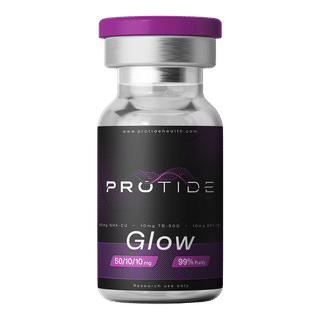
Typical cost: Research-grade GLOW blend vials (70 mg total: 50 mg GHK-Cu, 10 mg BPC-157, 10 mg TB-500) are priced at approximately $130-$260 per vial from research suppliers; medically supervised programs at clinics run approximately $439 for a 4-6 week protocol including physician evaluation and supplies. Vials require reconstitution with bacteriostatic water before use.
Our take: This blend is the strongest option for individuals pursuing both structural recovery from injury or surgery and skin quality improvements within a single protocol. The GHK-Cu component adds a well-researched cosmetic and dermal-repair dimension that the BPC-157/TB-500 combination alone lacks, making it particularly well-suited for those over 40 dealing with slower healing alongside visible signs of tissue aging.
6. MK-677 + CJC-1295: Sustained GH Elevation for Body Recomposition and Recovery
Best for: Intermediate-to-advanced users seeking simultaneous muscle gain, fat loss, and improved sleep by maximizing growth hormone output through two complementary pathways.

Shop research peptides
Live pricing from our top-rated vendor. Prices update as vendor listings change.
Peptides in this blend:
MK-677 (Ibutamoren): An orally active ghrelin receptor agonist that elevates GH and IGF-1 continuously over a 24-hour period without requiring injection.
CJC-1295: A synthetic GHRH analog that binds to pituitary GHRH receptors and, in its DAC form, extends its half-life to approximately 6-8 days by covalently binding to serum albumin.
How it works: MK-677 mimics ghrelin to activate GH secretagogue receptors in the pituitary, producing a sustained baseline elevation of GH and IGF-1 around the clock. CJC-1295 simultaneously stimulates GHRH receptors on somatotroph cells, triggering pulsatile GH release through the cAMP signaling cascade. Together, they combine tonic GH elevation (MK-677) with amplified pulsatile peaks (CJC-1295), creating a higher overall GH output than either compound produces alone without requiring multiple daily injections.
Key benefits:
IGF-1 elevation: Clinical data show MK-677 at 25 mg/day increases IGF-1 by approximately 40-88% within 2-4 weeks, driving downstream anabolic signaling in muscle and bone.
Lean mass preservation: A two-year randomized, double-blind, placebo-controlled trial in elderly adults found MK-677 at 25 mg/day increased fat-free mass by 1.6 kg compared to placebo.
Sleep quality improvement: MK-677 has been shown in studies to increase REM sleep duration, which aligns with the amplified nocturnal GH pulse produced by both compounds together.
Fat loss: The GH-driven increase in lipolysis supports fat oxidation, with a 12-16 week CJC-1295 cycle producing a realistic 3-5 lb fat loss alongside lean mass gains.
Administration: MK-677 is taken orally at 10-25 mg once daily at bedtime; CJC-1295 with DAC is injected subcutaneously at 1-2 mg once or twice weekly (spaced 3-4 days apart). An advanced hybrid protocol uses injectable CJC-1295 on training days and oral MK-677 daily for 3-6 months with periodic 4-8 week breaks.
Results timeline: Sleep improvements and increased appetite are typically noticeable within the first 1-2 weeks; recovery enhancement and minor water retention occur at weeks 2-4; visible body composition changes (muscle fullness, early fat loss) emerge at weeks 4-8; pronounced lean mass accrual and fat loss are observed from month 2 onward.
Pros | Cons |
|---|---|
MK-677 is oral, eliminating the need for daily injections | MK-677 causes significant hunger increase that can undermine caloric control |
CJC-1295 DAC requires only 1-2 injections per week due to its 6-8 day half-life | Water retention is common in the first 2-4 weeks as GH levels rise |
Clinically documented IGF-1 increases of 40-88% within weeks | MK-677 can impair insulin sensitivity with extended high-dose use, requiring glucose monitoring |
Typical cost: MK-677 (25 mg/mL, 30 mL bottle) runs approximately $79 per bottle at Peptide Pros (about a 30-day supply at standard doses); CJC-1295 (No-DAC) 2 mg vials are priced at $32.25 each at Peptide Pros, or $75 for 10mg vials of CJC-1295 (No-DAC) at Protide Health. With 8-12 vials typically needed for a full cycle at 2mg. A complete 12-week cycle runs approximately $140-$200 in research-grade peptides.
Our take: This stack suits experienced users who want the convenience of oral GH stimulation (MK-677) paired with the potent pulsatile boost of injectable CJC-1295, without committing to daily subcutaneous injections. It is particularly well suited to those over 35 prioritizing body recomposition, accelerated recovery, and sleep quality, though the appetite-stimulating effects of MK-677 require disciplined dieting to prevent caloric surplus from offsetting fat loss goals.
7. Tesamorelin + Ipamorelin: Targeted Fat Loss with Clean GH Amplification
Best for: Adults dealing with stubborn visceral fat who want clinically supported growth hormone stimulation without disrupting cortisol or prolactin levels.

Peptides in this blend:
Tesamorelin: A synthetic GHRH analog that binds pituitary GHRH receptors to stimulate GH release, with Phase 3 clinical trials documenting 15-18% visceral adipose tissue (VAT) reduction over 26 weeks.
Ipamorelin: A selective ghrelin mimetic that activates GHS-R1a receptors on pituitary somatotrophs to amplify GH pulses without significantly elevating cortisol or prolactin.
How it works: Tesamorelin and ipamorelin hit two independent receptor pathways on the same pituitary cells simultaneously, creating synergistic GH pulses that are larger than either compound alone. Tesamorelin occupies GHRH receptors while ipamorelin occupies ghrelin receptors (GHS-R1a), a dual-pathway mechanism documented in GHRH/GHRP synergy research. Both compounds preserve natural GH pulsatility and downstream feedback loops, unlike exogenous HGH, which suppresses endogenous production.
Key benefits:
Visceral fat reduction: Phase 3 EGRIFTA trials demonstrated 15-18% VAT reduction at 26 weeks with selective action on visceral depots rather than subcutaneous fat.
Lean mass preservation: Randomized trial data shows approximately 1.42 kg lean mass increase alongside the lipolytic effect.
Metabolic improvements: Clinical data shows a 48 mg/dL triglyceride reduction alongside improved total cholesterol and reduced hepatic fat accumulation.
Clean hormonal profile: Ipamorelin selectively releases GH without the cortisol and prolactin spikes associated with older secretagogues like GHRP-6 or GHRP-2.
Administration: Subcutaneous injection once daily, preferably in the evening while fasted to align with natural GH secretion. Standard protocol: 300 mcg tesamorelin + 100 mcg ipamorelin per injection, 5 days on/2 days off, in 8-week cycles with 6-8 weeks off. A gradual titration approach starts at 250 mcg tesamorelin + 125 mcg ipamorelin and increases every 2 weeks up to the target dose by weeks 7-16.
Shop research peptides
Live pricing from our top-rated vendor. Prices update as vendor listings change.
Results timeline: IGF-1 elevation is measurable within the first few weeks. Noticeable body composition changes (reduced waist circumference, improved muscle definition) typically emerge at 8-12 weeks, with clinically significant VAT reduction documented at 26-52 weeks in controlled trials.
Pros | Cons |
|---|---|
Tesamorelin has robust Phase 3 clinical evidence for visceral fat reduction | No published human trials specifically validating the combined blend |
Ipamorelin does not spike cortisol or prolactin, making it one of the cleanest GH secretagogues available | Requires IGF-1 monitoring every 12 weeks to maintain safety |
Dual-pathway stimulation produces synergistically larger GH pulses than either peptide alone | May impair insulin sensitivity with extended use; not recommended for uncontrolled diabetics |
Typical cost: Research-grade blend vials (5 mg tesamorelin/5 mg ipamorelin) run approximately $100-$120 per vial from reputable suppliers. At standard dosing (1 mg blend/day, 5 on/2 off), a typical monthly cost runs around $300 depending on vendor and dosing level. Compounded clinical prescriptions through telehealth providers can run significantly higher.
Our take: This blend is the most clinically grounded option in the peptide stack category, anchored by tesamorelin's FDA approval and Phase 3 trial data. It is the top choice for anyone whose primary goal is visceral fat reduction alongside lean mass preservation, particularly those who want GH stimulation without the hormonal side-effect profile of older secretagogues. The absence of direct combination trial data is a real limitation, but the individual compound evidence is stronger here than for almost any other peptide stack.
8. Thymosin Alpha-1 + BPC-157: Immune Defense Meets Deep Tissue Repair
Best for: Individuals recovering from chronic illness, infection, or injury who need simultaneous immune system restoration and accelerated tissue healing.

Peptides in this blend:
Thymosin Alpha-1: Acts as a toll-like receptor agonist (TLR-2 and TLR-9) that matures T-cells, elevates CD4+ and CD8+ counts, and upregulates cytokines including IL-2, IL-12, and IFN-gamma to mount a stronger adaptive immune response.
BPC-157: A 15-amino-acid gastric peptide that stimulates angiogenesis via the VEGFR2-PI3K-Akt-eNOS pathway, drives collagen synthesis, and activates fibroblast activity to accelerate repair across tendons, ligaments, muscle, gut lining, and nerves.
How it works: Thymosin Alpha-1 primes the adaptive immune system by maturing naive T-cells into functional CD4+ and CD8+ subtypes while simultaneously reducing pro-inflammatory cytokines such as IL-1beta and TNF-alpha, creating a regulated rather than overactive immune response. BPC-157 complements this by triggering new blood vessel formation through VEGF-dependent and Src-caveolin-1-eNOS pathways, flooding damaged tissue with oxygen and nutrients needed for structural repair. Together the two peptides address both the immune dysregulation that often underlies chronic injury and the vascular insufficiency that slows tissue recovery.
Key benefits:
Immune modulation: Thymosin Alpha-1 raises T-cell rosette percentages and increases CD4+ counts, with one randomized controlled trial in sepsis patients showing 9% lower mortality in the treatment group versus controls.
Tissue and tendon repair: BPC-157 accelerates healing in poorly vascularized structures like tendons and myotendinous junctions by upregulating VEGF and promoting fibroblast proliferation, supported by 35 preclinical studies and one human pilot showing knee pain relief in 7 of 12 patients after a single intraarticular injection.
Gut lining restoration: BPC-157 stabilizes the gastrointestinal epithelium and reduces gut permeability, making the blend particularly useful after antibiotic courses or prolonged illness that compromise the microbiome.
Anti-inflammatory balance: Both peptides independently reduce systemic inflammation (Thymosin Alpha-1 via cytokine suppression, BPC-157 via nitric oxide regulation), creating an additive effect without immunosuppression.
Administration: Both peptides are administered via subcutaneous injection. Thymosin Alpha-1 is dosed at 1.6 mg twice weekly (the protocol used in major hepatitis and sepsis clinical trials), while BPC-157 is typically dosed at 250-500 mcg once or twice daily near the target tissue. A standard combined cycle runs 8-12 weeks, with Thymosin Alpha-1 continuing the full cycle and BPC-157 cycling 4-8 weeks depending on injury severity.
Results timeline: BPC-157 tissue repair effects are typically noticed within 2-4 weeks. Thymosin Alpha-1 immune improvements, such as increased energy and reduced infection frequency, generally become apparent after 4-6 weeks of consistent dosing.
Pros | Cons |
|---|---|
Dual mechanism targets both immune function and structural repair simultaneously | Neither peptide has completed large-scale Phase III human trials; most BPC-157 evidence is preclinical |
Thymosin Alpha-1 has clinical trial data in sepsis (9% mortality reduction) and HIV (increased CD4+) | Thymosin Alpha-1 compounding pharmacy versions run $180-350/month; combined stack cost is high |
BPC-157 is gastric acid-stable, allowing oral administration for gut-focused protocols | Recent FDA actions on compounding pharmacies have restricted availability of some peptides |
Typical cost: Thymosin Alpha-1 runs approximately $85-350 per month at standard twice-weekly 1.6 mg dosing from third-party-verified research suppliers. BPC-157 adds approximately $65-150 per month for a 5 mg vial at mid-tier purity. Combined cycle cost: $240-500 per month depending on sourcing and dosing intensity.
Our take: This blend suits people dealing with post-infection immune suppression, autoimmune flares, or chronic musculoskeletal injuries that have not responded to conventional treatment alone. The combination is particularly logical for anyone who has experienced both a compromised immune system and structural tissue damage, such as long-haul illness patients or athletes returning from surgery. Thymosin Alpha-1's clinical data in severe immune contexts (sepsis, HIV, hepatitis) gives this blend more human evidence than most peptide stacks, though BPC-157's role remains largely preclinical.
How to Choose the Right Peptide Stack for Your Goal
Shop research peptides
Live pricing from our top-rated vendor. Prices update as vendor listings change.
The right peptide combinations for you come down to three variables: your primary outcome, your experience with injectable protocols, and your monthly budget. Each stack in this list is mapped to a specific physiological goal, and choosing one that mismatches your objective is the most common mistake first-time users make.
Best Peptide Stack for Fat Loss
Tesamorelin + Ipamorelin is the most evidence-backed peptide stack for fat loss, specifically for visceral adipose tissue. The Phase 3 EGRIFTA trial data showing 15-18% VAT reduction at 26 weeks represents the strongest clinical evidence available for any peptide combination in this category. For broader body recomposition that includes both fat loss and lean muscle gain, CJC-1295 + Ipamorelin is the more versatile starting point, with fat loss typically visible by weeks 4-8 and peak results at 3-6 months. Users who prioritize fat loss above all else should start with Tesamorelin + Ipamorelin; those who want simultaneous muscle gain should consider CJC-1295 + Ipamorelin first.
Best Peptide Stack for Muscle Growth and Bodybuilding
For peptide blends for muscle growth, the clearest step-up structure is: CJC-1295 + Ipamorelin as a foundation, followed by the IGF-1 LR3 + CJC-1295 + Ipamorelin triple stack for those who want direct IGF-1 receptor stimulation beyond what endogenous liver production provides. The peptide blend bodybuilding community consistently identifies the triple stack as the ceiling for natural GH axis manipulation, producing 5-10 lbs of lean muscle gain per full cycle in advanced users. The IGF-1 LR3 component is the differentiator, as it bypasses the liver's regulatory controls on IGF-1 to activate muscle cell receptors directly. The trade-off is regulatory complexity: IGF-1 LR3 was removed from the FDA bulk drug substances list in January 2023, meaning it is only available through research-grade channels, not licensed compounding pharmacies.
Best Peptide Stack for Recovery and Injury Repair
BPC-157 + TB-500 (the Wolverine Stack) is the top choice for soft-tissue repair, addressing injury through complementary local and systemic mechanisms that no single peptide can replicate. For a broader look at individual compounds in this category, the best peptides for injury recovery guide covers the full evidence base. For users who also want skin and connective tissue regeneration alongside injury recovery, the GLOW blend (BPC-157 + TB-500 + GHK-Cu) adds a collagen and extracellular matrix remodeling layer. Acute injuries (recent strains, sprains, post-surgical) generally respond well within an 8-week cycle; chronic overuse injuries may require 12-16 weeks for peak structural improvement.
Best Peptide Stack for Anti-Aging and Longevity
The Sermorelin + Ipamorelin + CJC-1295 triple blend is the most comprehensive anti-aging stack, addressing the multi-dimensional effects of age-related GH decline: body composition, sleep architecture, skin quality, and connective tissue integrity within a single supervised protocol. For those focused primarily on skin and cellular regeneration rather than body composition, the GLOW blend's GHK-Cu component has direct clinical evidence from wound healing trials and drives type I and III collagen synthesis, making it a relevant addition or standalone protocol for cosmetic longevity goals.
Are Peptide Stacks Legal? FDA and WADA Status Explained
The legal status of peptide stacks varies by compound, formulation, and intended use. No combination peptide blend has received FDA approval as a multi-peptide drug product. Individual peptides within these stacks fall into three categories: FDA-approved single-compound drugs, compounded medications available by prescription, and research-only compounds.
Tesamorelin (Egrifta) is the only peptide in this article with FDA approval as a stand-alone drug, approved for lipodystrophy-associated visceral fat in HIV patients. Sermorelin previously held FDA approval for pediatric GH deficiency but was withdrawn from the commercial market; it remains available through compounding pharmacies under prescription. CJC-1295 and Ipamorelin are available through licensed compounding pharmacies as individually prescribed compounds, though they are not FDA-approved combination products.
BPC-157 and IGF-1 LR3 are in the most restricted category. The FDA placed BPC-157 on its list of bulk drug substances that may not be used in compounding in 2023, effectively prohibiting licensed pharmacies from compounding it. WADA added BPC-157 to its Prohibited List in 2022 under the category of peptide hormones and growth factors. IGF-1 LR3 was similarly removed from the FDA's permissible compounding list in January 2023. These compounds are currently sold as research chemicals for laboratory use only under US law, which means their use in human protocols exists in a legal gray zone.
Thymosin Alpha-1 occupies a nuanced position: it is not approved by the FDA in the United States, but it is available through compounding pharmacies in some states under specific conditions.
For competitive athletes, any stack containing BPC-157 triggers a WADA violation risk if the athlete is subject to anti-doping testing. GH-stimulating peptides including CJC-1295, Ipamorelin, Tesamorelin, Sermorelin, and MK-677 are all prohibited under the WADA 2025 Prohibited List for peptide hormones and growth factors, regardless of whether they were obtained through a licensed pharmacy.
The clearest legal path for US residents is to pursue peptide therapy through a licensed telehealth or concierge medicine provider who can prescribe compounded Sermorelin, CJC-1295, or Ipamorelin under physician supervision. Compounds that fall outside the compounding permissible list, including BPC-157 and IGF-1 LR3, carry regulatory risk that users should evaluate carefully before use.
Peptide Stack FAQ
What peptides are best to stack together?
Shop research peptides
Live pricing from our top-rated vendor. Prices update as vendor listings change.
The most effective peptide combinations pair a GHRH analog (such as CJC-1295, Tesamorelin, or Sermorelin) with a ghrelin-receptor agonist (such as Ipamorelin) to create synergistic GH pulses greater than either peptide alone. For tissue repair, BPC-157 and TB-500 are the most researched combination, targeting both local and systemic healing through distinct mechanisms. The right pairing depends on your primary goal: body recomposition and fat loss call for a GHRH plus GHRP combination, while injury recovery and connective tissue repair point toward the BPC-157 + TB-500 Wolverine Stack.
What is the best peptide stack for fat loss?
Tesamorelin + Ipamorelin is the most clinically supported peptide stack for fat loss, backed by Phase 3 EGRIFTA trial data demonstrating 15-18% visceral adipose tissue reduction at 26 weeks alongside approximately 1.42 kg of lean mass preservation. For broader fat loss combined with muscle gain, CJC-1295 + Ipamorelin is the more widely accessible alternative, with fat loss typically measurable by weeks 4-8 and peak results by months 3-6. Both stacks work through dual-pathway GH stimulation that avoids the cortisol and prolactin side effects of older secretagogues.
What peptide does Joe Rogan use?
Joe Rogan has publicly discussed using BPC-157 and TB-500 for injury recovery and tissue repair, the same two peptides in the Wolverine Stack covered in this article. He has referenced them on his podcast in the context of recovering from joint and soft-tissue injuries. The same regulatory caveats apply regardless of the user: BPC-157 is on WADA's prohibited list as of 2022 and is classified as a prohibited bulk compounding ingredient by the FDA as of 2023. TB-500 carries similar regulatory status. Neither compound is FDA-approved for human therapeutic use.
What peptides should not be mixed together?
IGF-1 LR3 and insulin secretagogues should not be combined without close blood glucose monitoring due to additive hypoglycemic risk: IGF-1 LR3 reduces glucose uptake in fat cells while insulin secretagogues drive glucose into muscle, and combining both without monitoring can produce dangerous blood sugar drops. GH-stimulating peptides (CJC-1295, Ipamorelin, Tesamorelin) should not be combined with exogenous synthetic HGH without medical supervision, as the combined GH elevation can suppress the pituitary's feedback loop and increase the risk of acromegaly-related side effects. Most of the stacks in this article use complementary rather than competing pathways, which is precisely why goal-matched pairings are safer than mixing arbitrarily.
How long does a peptide stack take to work?
Most stacks produce noticeable sleep and recovery improvements within 1-2 weeks as the first GH pulses begin amplifying. Visible body composition changes (fat loss, improved muscle definition) typically appear at 4-8 weeks with consistent dosing. Peak results for body recomposition goals emerge at 3-6 months, which is why most supervised protocols run 3-month cycles before reassessment. Timelines vary meaningfully by stack: fat-loss stacks like Tesamorelin + Ipamorelin show clinically measurable VAT changes at 26 weeks, while repair-focused stacks like BPC-157 + TB-500 typically show structural tissue improvements within 4-8 weeks.
What is the Wolverine peptide blend?
The Wolverine Stack is the popular name for the BPC-157 + TB-500 combination, named for its reputation for accelerating regeneration of soft tissue: tendons, ligaments, muscles, and nerves. The name reflects the cultural association with rapid, near-complete tissue repair. BPC-157 handles local repair at the injury site through VEGFR2 signaling and fibroblast activation, while TB-500 works systemically through actin polymerization to recruit repair cells from throughout the body. Both compounds are WADA-banned and restricted under FDA compounding regulations as of 2022-2023, meaning athletes subject to drug testing and US residents obtaining them through licensed pharmacies face significant compliance hurdles.
Conclusion
For most people starting with peptide therapy, CJC-1295 + Ipamorelin is the most sensible entry point: it is widely available through licensed compounding pharmacies, has a strong safety record, and addresses the three goals that drive most of the interest in this category (body composition, sleep, and recovery). From there, users with specific objectives can move to purpose-built stacks. Visceral fat loss demands the clinical precision of Tesamorelin + Ipamorelin, which has Phase 3 evidence that no other peptide stack can match. Injury recovery calls for the Wolverine Stack's dual-mechanism repair approach, with the GLOW blend as the logical upgrade for anyone who also wants skin and connective tissue regeneration.
Advanced athletes pushing into maximum muscle hypertrophy will find the IGF-1 LR3 triple stack adds meaningful depth beyond what GH stimulation alone delivers, but the regulatory restrictions on IGF-1 LR3 require honest assessment before committing to that protocol. For anti-aging and longevity goals, the Sermorelin + Ipamorelin + CJC-1295 triple blend under physician supervision provides the most comprehensive coverage of age-related GH decline available through a legal compounding pathway. And for anyone managing immune compromise alongside tissue damage, the Thymosin Alpha-1 + BPC-157 pairing remains the strongest evidence-backed immune-repair combination in the category.
Every stack on this list carries a regulatory status that requires due diligence before use. Match your goal to the right stack, work with a licensed provider where the compounding pathway exists, and set realistic timelines: the compounds that work best are also the ones that take the longest to show their full effect. For a broader overview of what peptides are used for across health and performance categories, see our research guide. Once you've picked a stack, our free protocol builder lets you log the exact compounds and doses, set your injection schedule, and export the plan to PDF or sync it to your calendar.
Disclaimer: The information provided on Peptide Mind is for educational purposes only and is not a substitute for professional medical advice. The FDA has not evaluated these statements, and nothing on this site is intended to diagnose, treat, cure, or prevent any disease. By accessing this site, you confirm you are over the age of 21, waive any claims or liability arising from the use of the content portrayed.
Add a comment
This will be publicly visible.
Your email address will not be published.
Your comment will be reviewed by an admin before it is published.