Best Peptides for Weight Loss in 2026: A Complete Guide
Peptides for weight loss include FDA-approved GLP-1 drugs and non-prescription options. Compare types, costs, safety, and results for 2026.
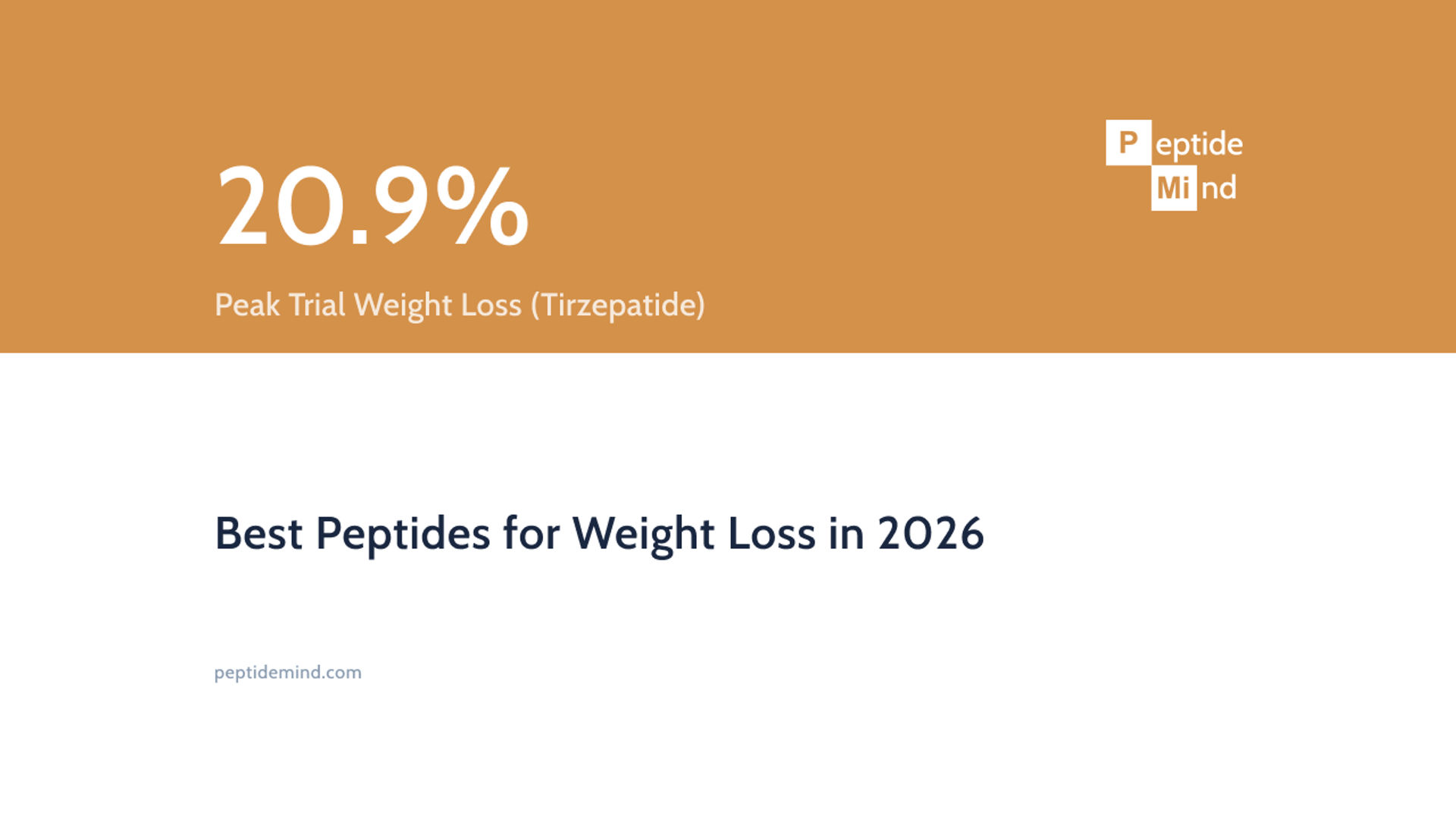

Peptides for weight loss split into two very different categories: FDA-approved prescription GLP-1 drugs (semaglutide, tirzepatide, liraglutide) and non-prescription or compounded options (BPC-157, CJC-1295, AOD-9604, and similar peptides). This guide covers the best peptides for weight loss in both groups, walking through the FDA-approved drugs used in medically supervised weight management programs alongside the non-prescription and compounded peptides sold through clinics, telehealth providers, and online sellers without the same level of regulatory oversight or clinical testing.
Each category works through a different mechanism, carries a different level of clinical evidence, and comes with its own cost and safety considerations, so understanding the distinction matters before choosing one.
After reading, you'll know which peptides for weight loss have real evidence behind them, how each one works in the body, what they typically cost, and how to tell whether a given peptide is safe to use before starting any regimen.

Best Peptides for Weight Loss Comparison Table
The comparison table below lines up the most-researched weight loss peptides side by side, covering FDA approval status, delivery method, and typical cost category, so readers can see at a glance which options are approved prescription drugs and which are non-prescription or compounded before the guide walks through each peptide in more depth further down the page.
Peptide | Category | FDA Approval Status | Delivery Method | Typical Cost Range | Common Side Effects |
|---|---|---|---|---|---|
Semaglutide (GLP-1) | GLP-1 receptor agonist | FDA-approved for weight loss (as Wegovy) | Injectable or oral pill | Varies by provider | Nausea, vomiting, appetite loss |
Tirzepatide (GLP-2) | GLP-1/GIP dual agonist/GLP-2 | FDA-approved for weight loss (as Zepbound) | Injectable | Varies by provider | Nausea, GI upset, fatigue |
Liraglutide | GLP-1 receptor agonist | FDA-approved for weight loss (as Saxenda) | Injectable | Varies by provider | Nausea, GI upset |
Retatrutide (GLP-3) | GLP-1/GIP/glucagon triple agonist/GLP-3 | Not yet FDA-approved; in clinical trials | Injectable | Varies by provider | Not yet established in trials |
Non-prescription repair peptide | Not FDA-approved for weight loss | Injectable or oral pill | Varies by provider | Injection-site redness, mild headache | |
Growth hormone releasing peptide (GHRP) | Not FDA-approved for weight loss | Injectable | Varies by provider | Nausea, headache, fluid retention | |
Fat-targeting peptide | Not FDA-approved for weight loss; used off-label | Injectable | Varies by provider | Injection-site irritation, mild GI upset | |
Fat-targeting peptide (GHRH analog) | FDA-approved only for HIV-associated lipodystrophy, not weight loss | Injectable | Varies by provider | Nausea, headache, fluid retention | |
Metabolic/mitochondrial peptide | Not FDA-approved; in research | Injectable | Varies by provider | Not yet established in research |
Non-prescription and compounded peptides such as BPC-157, CJC-1295/Ipamorelin, AOD-9604, and MOTS-c are not FDA-approved for weight loss and lack the same regulatory oversight and clinical safety data as the GLP-1 drugs in the table above, which is why they should only be used under the guidance of a licensed medical provider who can order lab work, personalize dosing, and monitor for side effects throughout treatment.
Searching for online peptide vendors? Explore our regularly updated top peptide vendor rankings.
What Are Peptides for Weight Loss and How Do They Work?
Peptides are short chains of amino acids linked together by peptide bonds, distinct from full proteins because they are much smaller but still specific enough to trigger a response once they attach to the right receptor. In practical terms, they act as chemical messengers: they bind to receptors on cells, interact directly with proteins, or prompt the body to release a specific hormone, then let that hormone carry out the actual work.
Some peptides occur naturally, regulating everyday functions like appetite, digestion, and metabolism, while others are synthesized to mimic or amplify those same natural signals. Peptides for weight loss work by tapping into this existing signaling system rather than acting as a stimulant.

The ways peptides support weight loss differ by category rather than following one universal mechanism. FDA-approved GLP-1 peptides such as semaglutide and tirzepatide bind to the GLP-1 receptor, the same receptor a natural gut hormone uses to reduce hunger, slow digestion, and help regulate blood sugar.
Tirzepatide adds a second target, the GIP receptor, activating a dual pathway that supports fat metabolism and insulin sensitivity on top of appetite reduction.
A separate category, including CJC-1295 and Sermorelin, works through growth-hormone stimulation instead of appetite signaling: these peptides prompt the pituitary gland to release more of the body's own growth hormone, which supports fat metabolism and helps preserve lean muscle during a calorie deficit.
A third category targets fat cells directly rather than working through appetite or growth-hormone pathways. AOD-9604, a fragment of human growth hormone, is designed specifically for fat breakdown and is positioned to reduce fat stores without affecting blood sugar or lean muscle, while Tesamorelin works through a similar fat-targeting approach though it carries FDA approval only for HIV-related lipodystrophy rather than general weight loss.
Because each category reaches weight loss through a different pathway, no single mechanism explains how every peptide in this guide works.
The next section splits these mechanisms into two practical groups: FDA-approved GLP-1 drugs available only by prescription, such as semaglutide and tirzepatide, and non-prescription peptides that work through growth-hormone stimulation or fat-cell targeting instead, such as CJC-1295 and AOD-9604.
Types of Peptides for Weight Loss
Shop research peptides
Live pricing from our top-rated vendor. Prices update as vendor listings change.
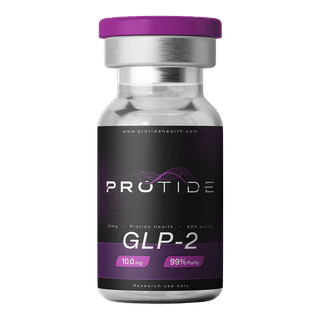
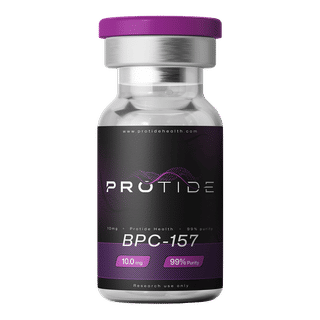
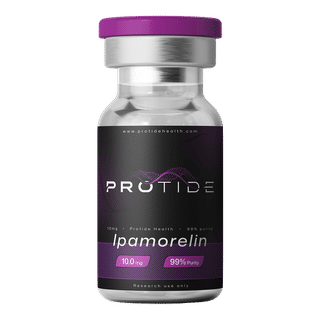
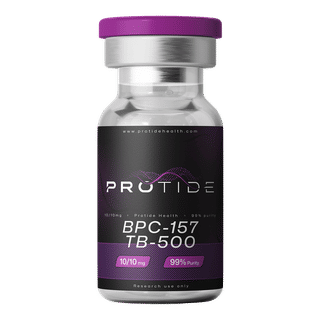
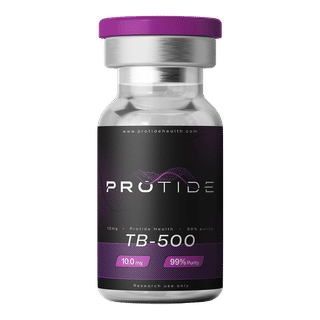
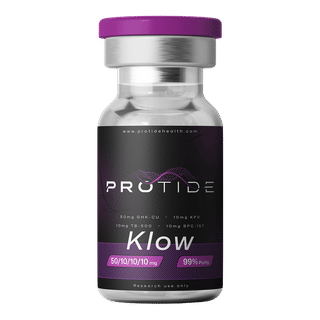
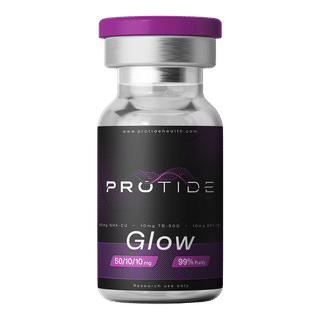
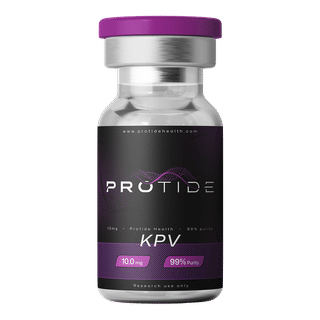
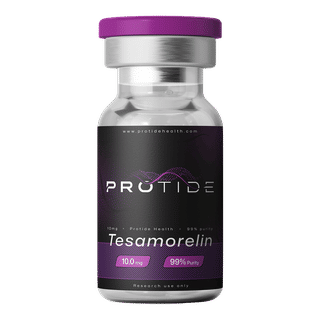
There are two categories of weight-loss peptides: FDA-approved GLP-1 drugs versus non-prescription compounded and research use only options.

FDA-Approved GLP-1 Peptides
Semaglutide, sold under the brand names Wegovy and Ozempic, is a GLP-1 receptor agonist that mimics GLP-1, a hormone the body naturally releases after eating to help regulate blood sugar, digestion, and appetite. Wegovy carries FDA approval for chronic weight management, and unlike most other peptides in this category, it is available as both an injection and an oral pill, giving patients who prefer to avoid needles a delivery option to discuss with a provider.
Tirzepatide is sold as Zepbound for chronic weight management and as Mounjaro for type 2 diabetes, working as a dual GLP-1/GIP receptor agonist that targets both the GLP-1 and GIP receptors instead of GLP-1 alone, which enhances fat metabolism and insulin sensitivity beyond a single-receptor peptide. Zepbound holds FDA approval for chronic weight management and is delivered by injection, with no oral version of tirzepatide currently available for either the diabetes or weight-loss indication.
Liraglutide is sold as Saxenda and works through the same GLP-1 receptor agonist mechanism as semaglutide and tirzepatide, mimicking GLP-1 to regulate appetite and blood sugar rather than acting on the GIP pathway that tirzepatide also targets. Saxenda is FDA-approved for chronic weight management and is delivered by injection; unlike Wegovy, no oral formulation of liraglutide has reached the market for weight loss.
Retatrutide extends the same class further as a triple receptor agonist, targeting the GLP-1, GIP, and glucagon receptors together, with the added glucagon activity aimed at boosting energy expenditure alongside appetite suppression. It remains investigational and is still being studied in clinical trials, and it has not received FDA approval, so it is not yet available through a pharmacy or clinic outside of trial participation.
Non-Prescription and Natural Peptides
BPC-157 is a tissue-repair peptide that supports digestive function, gut health, and recovery from exercise, and its role in weight loss is framed as indirect: better healing and inflammation control are described as supporting the broader weight loss process rather than driving fat loss on their own. It is not FDA-approved for weight loss and is typically sold outside standard prescription channels as a compounded or research product.
CJC-1295 and Ipamorelin are growth hormone releasing peptides frequently used together: CJC-1295 boosts the body's own growth hormone levels to aid fat loss and muscle gain, while Ipamorelin stimulates that same growth hormone release and is noted for its minimal side effects. Both are administered by injection, and neither is FDA-approved for weight loss; they are typically obtained outside standard pharmacy channels rather than through a prescription drug benefit.
AOD-9604 is a fragment of human growth hormone engineered to target fat cells directly, breaking down stored fat without affecting blood sugar or lean muscle mass, which sets it apart from peptides that work through appetite suppression or broad growth-hormone signaling. It is not FDA-approved for weight loss and is used off-label, typically positioned as one piece of a broader compounded fat-loss protocol.
Tesamorelin signals the pituitary gland to release growth hormone, which raises IGF-1 levels and preferentially mobilizes visceral fat, an effect that is typically assessed over months rather than weeks. It is FDA-approved specifically for HIV-associated lipodystrophy and is not approved for general weight loss; using it to reduce abdominal fat outside that indication is an off-label application that should be discussed directly with a prescribing provider, and like the GLP-1 drugs above, it requires a prescription rather than being sold over the counter.
MOTS-c is a mitochondrial-derived peptide that influences how cells use glucose and fat for energy, described as mimicking some of the metabolic effects of exercise at a cellular level, with reported benefits including increased stamina and reduced belly fat. It is not FDA-approved for weight loss and remains in early-stage research, with an FDA advisory review still pending.
Some clinical protocols combine peptides rather than relying on just one: pairing CJC-1295 with Ipamorelin is used to boost growth hormone release for both fat loss and muscle gain, while combining a GLP-1 agonist with AOD-9604 pairs appetite reduction with direct fat-cell targeting. Combining peptides this way adds more variables into the body's response and more side effects to monitor, so stacking protocols should only be built and supervised by a licensed physician familiar with each peptide involved.
Peptides for Weight Loss Side Effects and Safety
FDA-approved GLP-1 peptides such as semaglutide, tirzepatide, and liraglutide share a well-documented side effect profile. A PubMed Central-hosted review of peptide-based obesity treatments describes "nausea, vomiting and loss of appetite" as common effects of the GLP-1 drug class (pmc.ncbi.nlm.nih.gov). Couture Med Spa reports a similar pattern among its own tirzepatide and semaglutide patients, listing mild nausea or upset stomach, temporary irritation at the injection site, fatigue or headaches, and changes in appetite, and adds that most side effects fade as the body adjusts to treatment (couturemedspa.com). The clinic also states that peptide therapy is "generally well tolerated by 95% of patients," but it attaches no study or citation to that figure, so it should be read as the clinic's own claim rather than trial data. GoodRx describes these prescription-only medications as having "good clinical data showing that they're safe and effective when used as directed" under a provider's supervision (goodrx.com).
Non-prescription and compounded peptides such as BPC-157, MOTS-c, CJC-1295, and AOD-9604 carry risk considerations beyond side effects alone. GoodRx warns that "grey market" peptides sold outside the traditional healthcare system are not FDA-approved for medical use; many are marketed under familiar drug names but sold as "research-grade" products meant for laboratory use, not human treatment, and their ingredients, strength, and sterility can vary or be contaminated and mislabeled (goodrx.com). Chicago Arthritis's overview of GLP-1, CJC-1295, AOD-9604, and related peptides lists nausea, headaches, and fluid retention as possible side effects and stresses that any peptide plan, especially a combined or "stacked" protocol, needs to be built and monitored by a knowledgeable physician (chicagoarthritis.com). Pulse & Remedy claims peptide therapy "is considered safe for extended use" without citing a study behind that statement, underscoring the regulatory gap between non-prescription peptides and FDA-approved GLP-1 drugs.
This overview is educational, not medical advice, so anyone considering a peptide regimen, prescription or non-prescription, should consult a licensed healthcare provider to confirm it's appropriate for their health history.
What Results Can You Expect From Peptides for Weight Loss?

Shop research peptides
Live pricing from our top-rated vendor. Prices update as vendor listings change.
For FDA-approved GLP-1 peptides, most patients notice appetite changes within the first few weeks, while measurable weight loss builds gradually over several months of consistent use. According to Couture Med Spa, citing a New England Journal of Medicine trial, tirzepatide users can lose up to 15% of their body weight over 18 months, a result the practice attributes to the peptide's dual action on GIP and GLP-1 receptors. Semaglutide works through GLP-1 receptors alone, and Couture Med Spa describes it as "widely recognized for appetite regulation and sustained progress over time," though the practice notes individual results vary and some patients see changes sooner than others.
Non-prescription and compounded peptides such as BPC-157, CJC-1295, and MOTS-c generally carry less robust clinical evidence for weight-loss magnitude and timelines than GLP-1 drugs. Much of the supporting research summarized in peer-reviewed literature relies on animal studies, such as GLP-1 receptor-knockout mice and rodent injection trials, rather than large-scale human trials, and peptide-based drugs overall are described as rarely used in real-world patient care because of lingering questions about safety, effectiveness, and inadequate insurance coverage. Claims tied to non-prescription peptides' fat-loss benefits are often made without a cited study behind them, which makes their real-world results harder to predict than those of FDA-approved options.
Regardless of which category is used, results vary from person to person and tend to be strongest when peptide therapy is paired with a healthy diet, regular exercise, and consistent habits.
Who Should (and Shouldn't) Use Peptides for Weight Loss

Peptides for weight loss are not the right fit for everyone, and candidacy typically depends on a combination of body composition, existing health conditions, and how prior weight-loss efforts have gone. Providers weigh measurable criteria, such as BMI, alongside lifestyle factors, such as how someone has responded to diet and exercise in the past, before recommending a treatment plan. The criteria below reflect the standards clinics commonly use during an initial evaluation, though a full medical assessment always determines the final answer.
Good candidates for peptides for weight loss generally include people who have:
A body mass index (BMI) of 30 or higher
A BMI of 27 or higher paired with a weight-related health condition, such as high blood pressure, high cholesterol, or diabetes
Ongoing struggles with stubborn belly fat or a slow metabolism
Age-related fat gain, particularly common among men in their 30s, 40s, 50s, and beyond
A weight-loss plateau despite staying consistent with exercise and a clean diet
Weight gain linked to a hormonal imbalance or low testosterone
Peptide therapy is not appropriate for everyone, however. Clinics generally advise against starting treatment for anyone who:
Is pregnant
Has a personal or family history of thyroid cancer
Has a history of multiple endocrine neoplasia (MEN) syndrome
BMI and health history serve as a useful starting point for this evaluation, not an absolute cutoff, since metabolism and overall wellness also weigh into a provider's decision. Because of that nuance, a licensed provider should confirm candidacy through lab work, a hormone panel, and a full consultation before any peptide treatment plan begins. That process typically includes reviewing baseline hormone levels and building a personalized, provider-guided plan before training begins on how to safely administer the treatment.
How Much Do Peptides for Weight Loss Cost, and Where to Buy Them
The cost of peptides for weight loss depends mainly on the peptide type, dosage strength, and whether the product is an FDA-approved prescription drug or a compounded, non-prescription version.
Searching for online peptide vendors? Explore our up-to-date top peptide vendor rankings for verified options that are regularly refreshed.
Providers rarely publish a flat price: Rite Aid's compounded-peptide program remains waitlist-only rather than a live purchase page, and MD Esthetics and Couture Med Spa direct patients toward a consultation or membership-pricing page instead of listing a fixed dollar amount. Baseline lab work, such as a metabolic panel, an IGF-1 test, or a hormone panel, is often recommended before starting a cycle and adds to the overall cost. Gameday Men's Health notes that pricing is typically handled on a transparent, provider-set basis rather than through standardized retail rates.
Legitimate access runs through a licensed telehealth provider, a medical spa or clinic, or a pharmacy dispensing an FDA-approved drug under prescription. Ro advises anyone interested in peptide medication to talk to a healthcare provider about a prescription, and Forhers positions its own telehealth service as the route to FDA-approved GLP-1 options. Rite Aid's compounded-peptide program shows that non-prescription or compounded peptides are sometimes sold through waitlist-based clinic offers.
Most peptide therapy is not covered by insurance, though clinics often offset that gap with transparent, provider-set pricing and HSA/FSA-eligible payment options.
The other option is for labs and researchers to buy from "research-use-only" vendors, who provide peptides with no prescription requirement, at a much lower cost; however these compounds are labelled as research compounds and not for human use, and aren't vetted by the FDA. If you are a qualified lab or researcher, you can check out our top peptide vendor rankings.
Frequently Asked Questions About Peptides for Weight Loss
Are peptides for weight loss safe?
Shop research peptides
Live pricing from our top-rated vendor. Prices update as vendor listings change.
FDA-approved GLP-1 peptides such as semaglutide and tirzepatide have the strongest safety data, with GoodRx confirming these prescription-only medications are safe and effective when used as directed, a status consistent with the FDA's approval of tirzepatide for chronic weight management. Common side effects include nausea, headaches, fluid retention, and injection-site irritation, per Chicago Arthritis and Couture Med Spa. Non-prescription peptides carry more uncertainty since they aren't FDA-approved and can bypass standard manufacturing safeguards, so medical supervision is recommended.
What is the best peptide for weight loss for women?
No peptide is formulated exclusively for women. Even Hers, a telehealth brand built around women's health, presents semaglutide, tirzepatide, and liraglutide as general GLP-1 options without any female-specific dosing or efficacy data, according to its own peptides guide. These FDA-approved peptides work the same way regardless of sex by mimicking the GLP-1 hormone to reduce hunger and cravings, per GoodRx, though a provider should still tailor dosing to an individual's health history and goals.
Can you buy peptides for weight loss without a prescription?
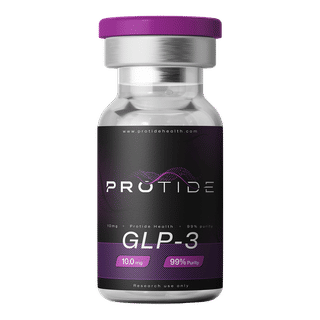
Some peptides require a prescription, including semaglutide and tirzepatide, which Rite Aid confirms are prescription-only GLP-1 medications. Others are sold as non-prescription compounded products, such as "GLP-3" or "GLP-RT" which is known as Retatrutide or "GLP-2" or "GLP-TZ" which is known as Tirzepatide, from research-use peptide suppliers. It's important to note that these are sold as research chemicals and are labelled not for human use.
Are there oral peptides for weight loss?
Yes, oral versions of some GLP-1 peptides exist alongside the more common injectable forms. GoodRx confirms that Wegovy (semaglutide) is available as both an injection and a pill, one of the FDA-approved peptide medications for weight loss. Rite Aid notes that GLP-1 medications require a prescription regardless of delivery method, so oral peptides are not an over-the-counter shortcut. This gives people who prefer to avoid needles a legitimate alternative, though dosing schedules can differ from injectable versions.
What peptide is similar to Ozempic?
Ozempic's active ingredient is semaglutide, described by Pulse & Remedy as a GLP-1 receptor agonist that mimics the hormone glucagon-like peptide-1 to regulate appetite, insulin secretion, and blood sugar. Tirzepatide and liraglutide work through a related GLP-1-driven mechanism. Non-prescription peptides such as BPC-157 and CJC-1295/Ipamorelin act through entirely different pathways, tissue repair and growth hormone release rather than GLP-1 receptor activation, so they are not true substitutes for Ozempic's mechanism.
How much do peptides for weight loss cost?
Cost varies widely based on the specific peptide, dosage, and whether it is prescription or compounded, and no provider in this research publishes exact figures. Gameday Men's Health notes most peptide therapies are not covered by insurance, though it offers HSA/FSA-eligible pricing. Rite Aid ties its compounded-peptide service to a 20% first-order discount rather than a base price, and Couture Med Spa points patients to a separate pricing page, so a current provider quote is the best way to budget. Research peptides are the cheapest as you are buying "compounds" from a chemical supplier for laboratory use only.
Final Thoughts on Choosing Peptides for Weight Loss
Anyone weighing peptide options for the first time should start by scheduling a consultation to discuss an FDA-approved GLP-1 option, since semaglutide and tirzepatide carry a stronger clinical evidence base than non-prescription peptides and are the medications most providers point to first.
Tirzepatide's dual action on GIP and GLP-1 receptors often produces more pronounced results, while GoodRx confirms that these prescription-only drugs come with solid clinical data showing they are safe and effective when used as directed.
Readers who want to avoid needles altogether should ask a provider specifically about the oral semaglutide option that GoodRx lists under the Wegovy name, since a pill form sidesteps the injection routine without abandoning the same GLP-1 mechanism.
Whichever option a provider recommends, pairing it with consistent diet and exercise habits gives the treatment the best chance at producing lasting, sustained results rather than a temporary drop on the scale.
Add a comment
This will be publicly visible.
Your email address will not be published.
Your comment will be reviewed by an admin before it is published.