KLOW Peptide Benefits, Side Effects & Results Timeline
What KLOW peptide actually does: benefits of GHK-Cu, BPC-157, TB-500 and KPV graded by evidence, plus a results timeline and side effects.

KLOW is a four-peptide research blend of GHK-Cu, BPC-157, TB-500 and KPV, sold almost exclusively as an 80 mg vial. It is marketed for skin, recovery, and inflammation. No study has ever tested the combination. This guide grades every claimed benefit against the research on each individual component, covers the reported side effects, and says plainly where the evidence runs out.
Disclaimer: All four compounds discussed here are sold for laboratory research use only and none are approved for human use. This article is educational and is not medical advice.
What Is the KLOW Peptide Blend?
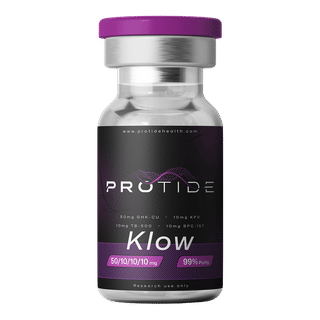
KLOW is a research peptide blend combining four compounds in a single vial: GHK-Cu, BPC-157, TB-500 and KPV. The standard commercial presentation is 80 mg total, made up of 50 mg GHK-Cu, 10 mg BPC-157, 10 mg TB-500 and 10 mg KPV. It is sold by research chemical suppliers rather than pharmacies, and no regulator has approved it for anything.
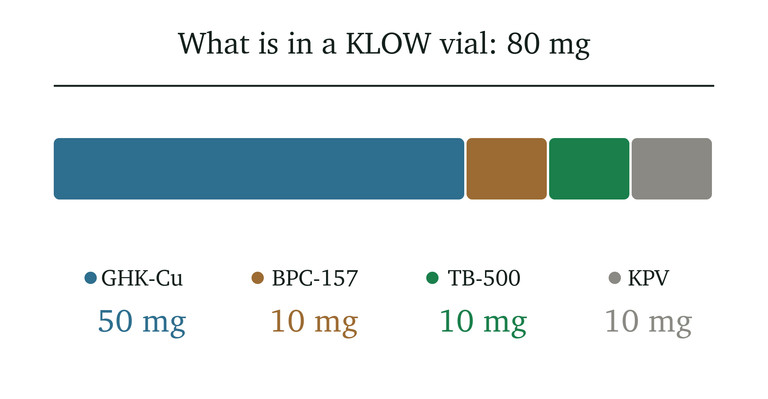
You will see it sold as the KLOW blend, the KLOW stack, or KLOW-80. These are the same product. The name itself is a vendor coinage with no official derivation: KLOW appeared as a product name across research peptide suppliers, not in the literature. The most defensible reading is that it is a riff on GLOW, an older three-peptide blend, with KPV added, making the "K" stand for KPV.
Here is what is actually in the vial:
Peptide | Amount | Share of vial | Chemical class | Primary role in the blend |
|---|---|---|---|---|
GHK-Cu | 50 mg | 62.5% | Copper-bound tripeptide (glycyl-L-histidyl-L-lysine, CAS 49557-75-7) | Extracellular matrix rebuilding: collagen, elastin, glycosaminoglycans |
BPC-157 | 10 mg | 12.5% | 15-amino-acid peptide (pentadecapeptide) derived from a gastric protein | Localised soft-tissue and gastrointestinal repair |
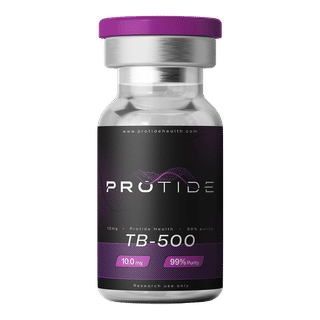
TB-500 | 10 mg | 12.5% | Synthetic fragment of thymosin β4 | Cell migration and new blood vessel formation |
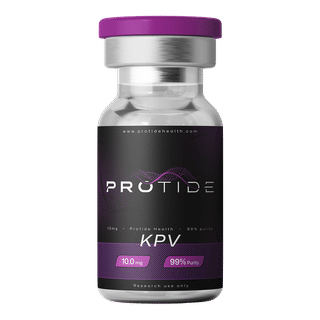
KPV | 10 mg | 12.5% | Tripeptide (lysine-proline-valine), the C-terminal fragment of α-MSH | Anti-inflammatory signalling, mucosal barrier |
One thing to note is that ratios vary between suppliers. The 50/10/10/10 split is conventional, not standardised, but always check the certificate of analysis for the specific vial.
KLOW Peptide Benefits at a Glance
Every KLOW blend benefit below is graded against the research that exists for the responsible component.
Strong means controlled human trial evidence.
Moderate means human data that is uncontrolled, small, or in a different formulation, or unusually strong animal evidence with a clear mechanism.
Weak means animal or cell-culture data only.
Unsupported means anecdote, marketing, or extrapolation with no direct evidence.
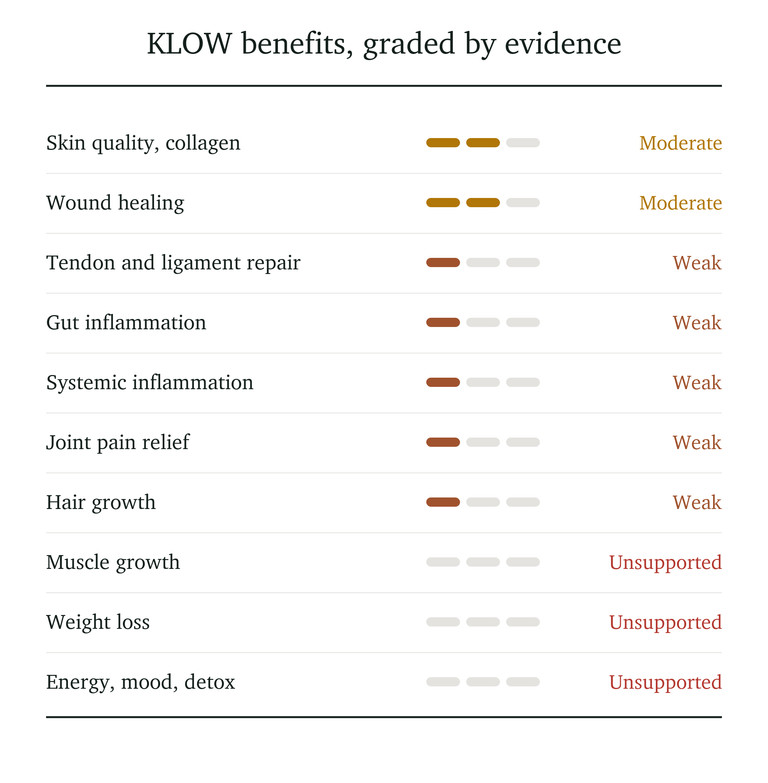
Community grade is a separate scale, measuring how consistently people actually running KLOW report the benefit: strong consensus, common, occasional, mixed, or marketing mostly where a claim appears in seller copy far more often than in first-hand accounts.
Claimed benefit | Driven by | Research grade | Community grade | What the evidence actually is |
|---|---|---|---|---|
Skin quality, wrinkles, collagen | GHK-Cu | Moderate | Strong consensus | Controlled human trials, but of topical creams rather than injections |
Wound healing | GHK-Cu, BPC-157 | Moderate | Occasional | Human topical wound data for GHK-Cu; rodent data for BPC-157 |
Tendon and ligament repair | BPC-157, TB-500 | Weak | Strong consensus | Rat and cell-culture studies only |
Gut inflammation | KPV, BPC-157 | Weak | Common | Mouse colitis models, and by oral administration |
Systemic inflammation | KPV, GHK-Cu | Weak | Common | Cell culture and rodent models; NF-κB inhibition well characterised |
Joint pain relief | BPC-157 | Weak | Strong consensus | Rodent models plus user reports; no human trial |
Hair growth | GHK-Cu | Weak | Mixed | Limited topical data; nothing on injected blends |
Muscle growth | None | Unsupported | Marketing mostly | No component has a hypertrophy mechanism |
Weight loss | None | Unsupported | Marketing mostly | No component has a meaningful metabolic mechanism |
Energy, mood, "detox" | None | Unsupported | Mixed | No mechanism, no data |
Most rows land at Weak or Moderate as there is no human trial evidence. KLOW sits at the outer edge of what peptide research can currently support, which is why community reports are added as a separate grade to understand what benefits people using Klow have experienced.
KLOW Peptide Benefits Reported Online: Reviews, Forums and Before-and-After Claims
The table above is what the research supports. This section is what people say, which is a different thing entirely. Community threads, vendor review pages and before-and-after posts describe a consistent set of effects. However, none of it counts as "clinical" evidence.
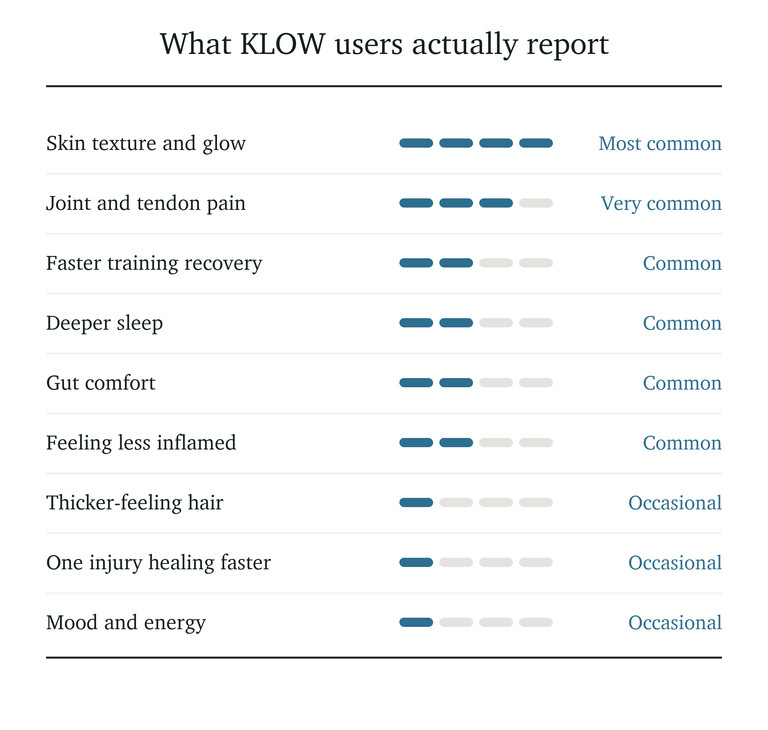
Here is what actually gets reported, ordered by how often it appears across peptide forums, clinic write-ups and vendor review pages:
Shop research peptides
Live pricing from our top-rated vendor. Prices update as vendor listings change.
Reported benefit | How often reported | What people typically describe | Grade from the table above |
|---|---|---|---|
Skin texture, tone and "glow" | Most common | Texture first, then tone; before-and-after photos posted at 8 to 12 weeks | Moderate |
Reduced joint, tendon and muscle pain | Very common | Background achiness dropping; one nagging shoulder or knee feeling easier | Weak |
Faster recovery from training | Common | Shorter soreness after hard sessions, returning to load sooner | Weak |
Deeper or more restorative sleep | Common | Falling asleep faster, fewer wakeups, usually noticed after week 4 | Unsupported |
Less bloating, better gut comfort | Common | Less post-meal discomfort, often the earliest change noticed | Weak |
A general "less inflamed" feeling | Common | Vague but persistent, described as feeling younger or lighter | Weak |
Thicker-feeling hair | Occasional | Noticed in the shower rather than measured | Weak |
Faster healing of one specific injury | Occasional | Attributed to BPC-157 and TB-500 | Weak |
Improved mood or energy | Occasional | Usually framed as downstream of better sleep and less pain | Unsupported |
The top of the list is the one place anecdote and evidence agree. Skin leads the community reports and is also the best-graded benefit at Moderate, which is a genuine point in KLOW's favour.
What Does KLOW Peptide Do? The Four Components Explained
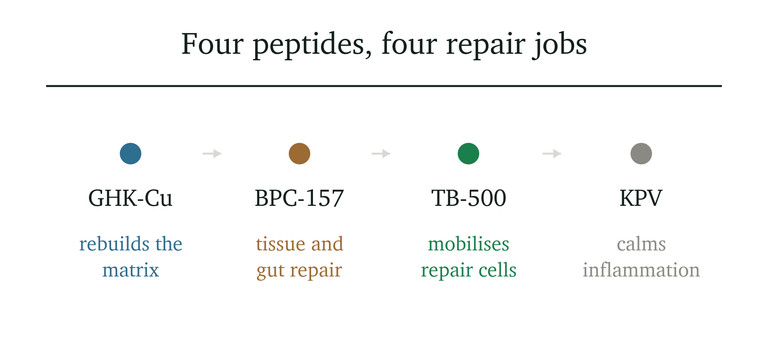
KLOW's four peptides address four different stages of tissue repair. GHK-Cu rebuilds the extracellular matrix, BPC-157 acts on localised tissue and gut lining, TB-500 mobilises cells to the site of injury, and KPV suppresses the inflammatory signalling that stalls healing. Each has its own evidence base, and they are not equal.
GHK-Cu (copper tripeptide-1)
50 mg, or 62.5% of the vial. The best-evidenced component by a wide margin.
GHK is a naturally occurring tripeptide found in human plasma, where concentrations fall from roughly 200 ng/mL at age 20 to about 80 ng/mL by age 60. Bound to copper, it stimulates collagen, elastin and glycosaminoglycan synthesis in dermal fibroblasts, promotes angiogenesis, and acts as an antioxidant. It also performs an unusual dual action on matrix turnover, upregulating the matrix metalloproteinases that clear damaged collagen while simultaneously upregulating the tissue inhibitors that protect newly formed collagen.
The most striking evidence is genomic. Screening compounds against a gene-expression signature of emphysematous lung destruction, Campbell and colleagues identified GHK as reversing that signature, then validated the effect in fibroblast culture (Genome Medicine 2012;4:67). Pickart and Margolina's review catalogues GHK's activity across a wide range of genes and tissues (Int J Mol Sci 2018;19(7):1987).
What that evidence is not: the Campbell work is a computational prediction validated in cell culture, not a human trial. The human GHK-Cu data that does exist is overwhelmingly topical, meaning creams and serums applied to skin. Injecting it is a different exposure entirely, and that gap is rarely acknowledged. See our GHK-Cu compound page.
BPC-157 (pentadecapeptide BPC 157)
10 mg. Enormous research volume, almost all of it in rodents.
BPC-157 is a 15-amino-acid sequence derived from a protein found in human gastric juice. It is associated with accelerated healing of tendon, ligament, muscle and gut tissue, acting through nitric oxide signalling, VEGFR2 activation, and growth-factor receptor modulation. In one frequently cited study, BPC-157 significantly accelerated the outgrowth of tendon fibroblasts from rat Achilles tendon explants, increased cell survival under oxidative stress, and increased fibroblast migration dose-dependently (J Appl Physiol 2011;110(3):774-780).
What that evidence is not: it is a rat study with a cell-culture component, and that is the pattern across essentially the entire BPC-157 literature. Despite hundreds of publications, there is no completed, published, randomised human trial of BPC-157 for any indication. Anyone telling you BPC-157 is "clinically proven" is describing rodent work. Full detail on our BPC-157 guide and BPC-157 compound page.
TB-500 (a thymosin β4 fragment)
10 mg, and the component most often misdescribed.
Here is the distinction almost every KLOW article gets wrong: TB-500 is not thymosin β4. Thymosin β4 (Tβ4) is a 43-amino-acid protein that sequesters actin and drives cell migration, angiogenesis and wound repair. TB-500 is a shorter synthetic fragment sold as a research chemical. Marketing copy uses the two names interchangeably, but they are not the same molecule, and the evidence attached to each differs.
That matters because full-length Tβ4 has genuinely reached human trials. RegeneRx's RGN-259 ophthalmic formulation completed Phase 3 studies in dry eye and neurotrophic keratopathy with mixed results. The small SEER-1 trial reported 60% complete corneal healing versus 12.5% on placebo, while the European SEER-3 trial missed its primary endpoint. Tβ4 remains unapproved for any indication.
What that evidence is not: evidence for TB-500. Those were topical ocular formulations of a different, longer molecule. When a vendor cites "thymosin beta-4 clinical trials" for an injectable TB-500 product, that is a substitution. Our TB-500 vs thymosin β4 comparison covers it in full, and the TB-500 compound page has the profile.
KPV (lysine-proline-valine)
Shop research peptides
Live pricing from our top-rated vendor. Prices update as vendor listings change.
10 mg. The smallest molecule and the clearest mechanism.
KPV is the C-terminal tripeptide of α-melanocyte-stimulating hormone, carrying much of that hormone's anti-inflammatory activity without its pigmentary effects. It is taken up by the PepT1 di/tripeptide transporter, which is expressed in the small intestine and induced in the colon during inflammatory bowel disease, and it inhibits NF-κB signalling, reducing pro-inflammatory cytokine expression. Dalmasso and colleagues showed KPV acts via PepT1 in both intestinal epithelial and immune cells, and that administration reduced severity in two mouse colitis models (Gastroenterology 2008;134(1):166-178). See our KPV compound page.
What that evidence is not: mice, and critically, oral administration. The entire premise of that study is intestinal uptake through a gut transporter. KLOW is injected subcutaneously, bypassing the mechanism its best KPV evidence depends on.
The Claimed Benefits of KLOW, Graded One by One
Each benefit carries two grades. Research grade measures the published evidence. Community grade measures how consistently people running KLOW report it. With no human trial behind any component, the second is not decoration: for several of these claims it is the only evidence there is. It proves nothing on its own, but consistent independent reporting is a real observation, and pretending otherwise is its own kind of dishonesty.
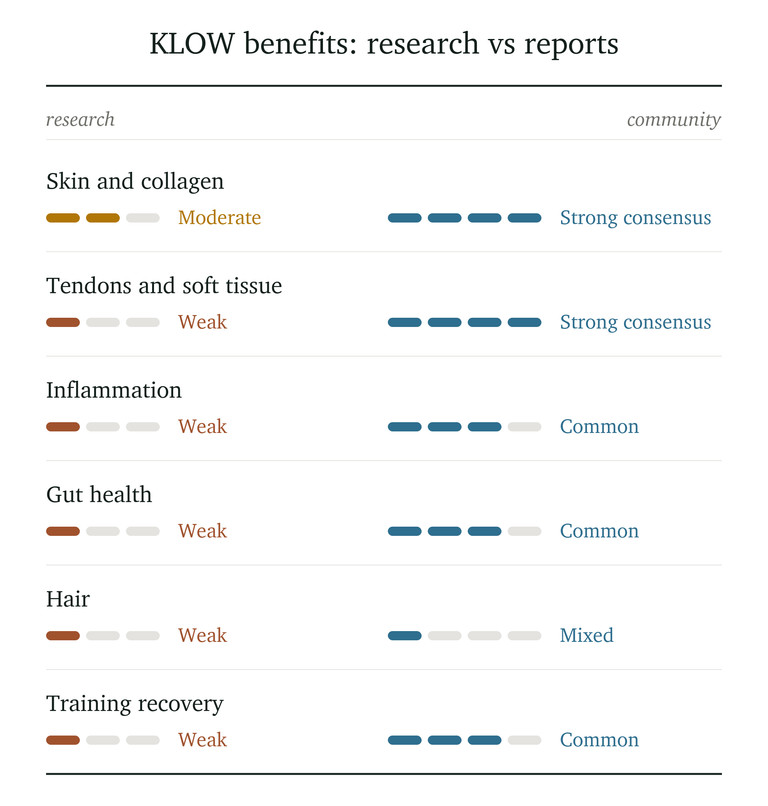
Skin, collagen and visible ageing
Research grade: moderate
Community grade: strong consensus
The strongest claim in the blend, resting almost entirely on GHK-Cu's 62.5% mass share. Controlled human studies of GHK-Cu creams have reported improvements in skin density, thickness, elasticity and fine lines. The most-cited is a 12-week controlled trial in 71 women with photoaged skin, measuring improved density and reduced wrinkle volume by ultrasound and profilometry. Comparative work puts GHK-Cu in the range of vitamin C and retinoic acid preparations with markedly better tolerability.
Two caveats keep this at Moderate rather than Strong. The trial most often quoted was industry-conducted and presented at a dermatology meeting rather than published as a full peer-reviewed paper. And every one of these studies used a topical product. Whether subcutaneous GHK-Cu produces the same dermal effect is untested, so this is the KLOW peptide benefit with the most evidence behind it and still a real inferential gap in the middle.
The reports agree, which is the part that matters. Skin is the most consistently described KLOW outcome online, in a repeatable order: texture first, then tone, with photos posted at eight to twelve weeks. Dermal collagen remodelling genuinely runs on a scale of weeks to months, so reports clustering at four to eight weeks land where the biology would put them rather than where enthusiasm would. Research and reports converging on the same benefit at the same timescale is the strongest thing this blend has.
Soft-tissue injury, tendons and recovery
Research grade: weak
Community grade: strong consensus
BPC-157 and TB-500 form the "repair" half of the blend, and the mechanistic story is coherent. BPC-157 promotes tendon fibroblast outgrowth and survival, while TB-500 mobilises cells toward injury via actin dynamics. Rodent models of Achilles transection, muscle crush and ligament injury consistently show faster healing with BPC-157. The problem is that "consistently show faster healing" ends with "in rats." There is no human trial.
This is the widest split on the page. Reduced joint, tendon and muscle pain is one of the single most reported KLOW effect, often described as arriving faster than anything else, sometimes inside the first week or two. That volume of consistent reporting is not nothing. It is also the endpoint most vulnerable to being wrong: pain fluctuates on its own, people usually start a protocol when something is flaring, and an injury improving on its natural course is indistinguishable from one being helped. Both readings fit the same reports. For how the individual compounds compare, see our guide to peptides for injury recovery.
Inflammation and immune signalling
Research grade: weak
Community grade: common
This is the blend's most internally consistent story. KPV and GHK-Cu both converge on NF-κB, the master transcriptional regulator of inflammatory response, from different directions, and BPC-157 modulates cytokine balance independently. Three of four components pushing on the same pathway is a more defensible rationale than most peptide blends can offer. But NF-κB inhibition is characterised in vitro, and what a subcutaneous 10 mg dose of KPV does to inflammatory tone in a human is unknown.
What people report is correspondingly vague: a general "less inflamed" feeling, lower background achiness, a sense of running better. Common enough to record, too diffuse to test, and there is no measurement anyone could take at home that would confirm it.
Gut health and the intestinal barrier
Shop research peptides
Live pricing from our top-rated vendor. Prices update as vendor listings change.
Research grade: weak
Community grade: common
KPV's colitis data is the most methodologically solid work behind any KLOW component, and BPC-157 has extensive rodent gastrointestinal literature, having originally been isolated from gastric juice. Together they make gut health one of the more frequently claimed KLOW peptide benefits.
But the route mismatch is decisive here. KPV's effect in the Dalmasso work is PepT1-mediated intestinal uptake from oral administration, and injecting it subcutaneously does not reproduce that. The gut claim borrows evidence from a delivery route the product does not use.
The reports nonetheless describe gut comfort as one of the earliest changes noticed, often inside one to two weeks. That leaves an honest awkwardness worth stating: the effect is real to the people reporting it, and the research usually cited to explain it does not apply to how they took it.
Hair
Research grade: weak
Community grade: mixed
Copper peptides appear in topical hair products, and GHK-Cu has been associated with follicle-adjacent effects in limited work. That is the entire basis. There is no study of an injected four-peptide blend on hair growth in humans, and the leap from "copper peptides appear in shampoos" to "KLOW regrows hair" is not supported.
Mixed rather than common for a reason worth noting: hair is claimed more often than it is reported. It appears regularly in vendor and clinic copy, while first-hand accounts are occasional and hedged, usually along the lines of hair feeling thicker rather than anything measured. When marketing runs ahead of user reports, that gap is informative.
Training recovery and body composition
Research grade: weak
Community grade: common
Status in sport: prohibited
Athletes are a large share of the KLOW audience, and the recovery rationale is the same rodent tendon and muscle work described above. Reports of shorter soreness after hard sessions and returning to load sooner are common, and they are also the reports most confounded by everything else that changes when someone starts a deliberate protocol: sleep, diet, training structure and attention to the injury itself.
BPC-157 and TB-500 are both prohibited by WADA at all times, in and out of competition, under S0 (non-approved substances). BPC-157 additionally falls within S2.3, covering growth factors affecting tendon, ligament and muscle regeneration. Enforcement can be non-analytical, meaning sanction is possible on evidence of possession or admission with no positive test. If you compete under WADA code, KLOW is not available to you. Verify the current Prohibited List before relying on this.
Why These Four Peptides Are Combined
The rationale is that repair is not one process, and no single peptide covers all of it. Rebuild the matrix (GHK-Cu), repair the local tissue (BPC-157), bring cells to the site (TB-500), and stop the inflammatory signalling that keeps tissue from closing (KPV). Four mechanisms, minimal overlap. As peptide stack logic goes, it is more coherent than most. This is not four compounds doing the same thing sold at four times the price.
That is the theory. In practice, the argument for and against KLOW as a blend is one the peptide community has been having in public for years, and it is worth laying out both halves as they are actually made.

The case people make for the blend
Repair and inflammation are treated as two separate problems. This is the framing that appears most often across vendor guides, clinic write-ups and forum threads. Three of the four peptides work on rebuilding, covering collagen and elastin in skin, connective tissue in joints and tendons, and the blood supply feeding both. KPV is the only one working on the signalling side, calming the inflammatory activity that can stop repair taking hold at all. The stated point of the stack is to address both layers at once rather than rebuilding structure while ignoring the signal telling it not to.
Local and systemic coverage are split deliberately. The most common division of labour described online puts BPC-157 on localised repair at the site and TB-500 on systemic support, mobilising cells from elsewhere. Whether that division survives contact with real pharmacology is unproven, but it is the reason people give for running both rather than picking one.
KLOW is presented as the top of an escalation ladder. The blends most often compared with it share a backbone. The Wolverine stack is BPC-157 plus TB-500. GLOW adds GHK-Cu. KLOW adds GHK-Cu and KPV. Community comparisons tend to land in the same place: Wolverine is the simpler, cheaper, longer-established option for straightforward recovery work, and KLOW is chosen when someone wants the widest coverage in one vial.
Shop research peptides
Live pricing from our top-rated vendor. Prices update as vendor listings change.
The convenience argument is the one nobody disputes. Running these four separately means four vials, four reconstitutions, four sets of syringe maths and four vendor purchases. The blend collapses that into one of each. For anyone running a multi-week protocol, that difference is real and immediate, and it is probably the single largest driver of KLOW's popularity.
The cost argument is real. Bundle pricing is commonly quoted at well under the cost of buying all four components individually, with vendor figures for the blend often landing around half the separate total.
Then the limitation that governs this entire page:
No published study has ever tested the KLOW combination. Every benefit described here is inferred from research on the components studied separately: usually in animals, frequently at different doses, and sometimes by a different route of administration than KLOW uses.
KLOW Results Timeline: What People Report Week by Week

No clinical trial has tracked outcomes on KLOW, so there is no verified timeline. What follows is a synthesis of community reports mapped against what each component's pharmacology would plausibly explain. Read it as a picture of what users say, not as results you should expect.
Window | Commonly reported | Plausible driver | Confidence |
|---|---|---|---|
Days 1-7 | Injection-site redness or stinging; occasional headache or transient fatigue | GHK-Cu histamine effects; vasodilatory activity | Reports are consistent; site reactions are well documented |
Weeks 2-4 | Digestive comfort changes; subjective reduction in joint or soft-tissue discomfort | KPV and BPC-157 anti-inflammatory activity | Low, and most susceptible to placebo and natural recovery |
Weeks 4-8 | Changes in skin texture, tone and fine lines | GHK-Cu, matching the 4-8 week timescale of dermal collagen turnover | Moderate, since the timing is at least biologically coherent |
Weeks 8-12 | The window most protocols run before pausing | None | Convention, not evidence |
The weeks 4-8 skin window is the only row whose timing lines up with an independently established process. Dermal collagen remodelling genuinely operates on a scale of weeks to months, consistent with the human topical GHK-Cu data.
The earlier rows describe outcomes such as pain, digestion and energy that are subjective, fluctuate naturally, and respond strongly to expectation. Before-and-after photographs circulating in peptide communities control for nothing: not lighting, not weight change, not the other interventions people typically start at the same time.
KLOW Peptide Benefits for Women and Men
No KLOW study has ever reported outcomes by sex, because no KLOW study exists. Any source describing distinct KLOW peptide benefits for women versus men is describing interest patterns, not measured differences.
What genuinely differs is emphasis. KLOW peptide benefits for women are searched overwhelmingly in the context of skin, collagen and visible ageing, which maps onto GHK-Cu, the component with the most human evidence behind it. Interest from men skews toward soft-tissue recovery and training, mapping onto BPC-157 and TB-500, the components with the weakest. That asymmetry is worth knowing, because the benefit most associated with female interest happens to be the better-supported one.
Two points apply regardless of sex. Copper handling is an individual variable rather than a sex-linked one, but it matters given the 50 mg GHK-Cu load, covered in the vial breakdown below. And KLOW should not be used during pregnancy or breastfeeding. There is no safety data of any kind in these populations, and BPC-157 and TB-500 are both angiogenic, which is not a property to introduce into pregnancy on an evidence base of rodent studies.
KLOW vs GLOW: Which Blend for Which Benefit
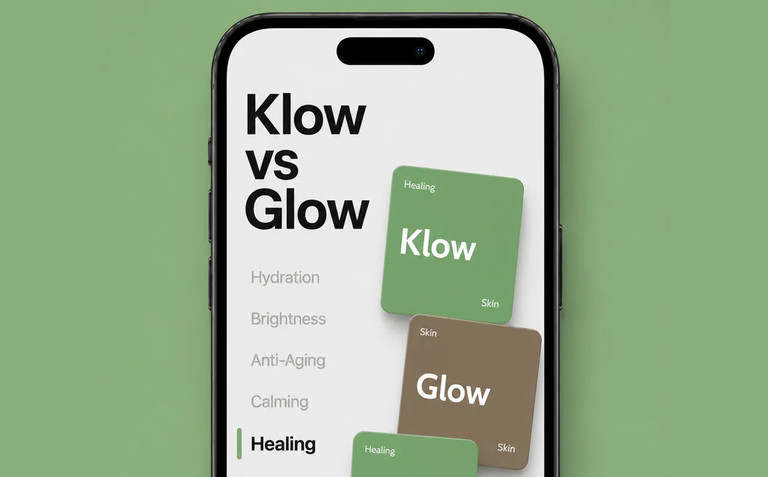
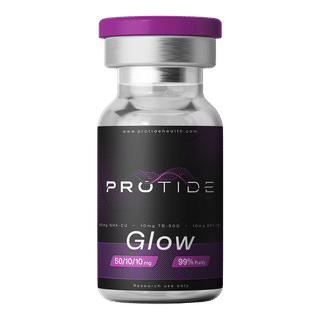
The difference is KPV. GLOW contains GHK-Cu, BPC-157 and TB-500, typically at 70 mg total. KLOW is the same three plus 10 mg of KPV, at 80 mg. So KLOW is the anti-inflammatory and gut-weighted option, and GLOW is the leaner repair-and-skin stack.
KLOW | GLOW | |
|---|---|---|
Components | GHK-Cu, BPC-157, TB-500, KPV | GHK-Cu, BPC-157, TB-500 |
Typical vial | 80 mg | 70 mg |
GHK-Cu share | 50 mg (62.5%) | 50 mg (71%) |
Added by the difference | NF-κB inhibition, mucosal and immune signalling | None |
Usually chosen for | Inflammatory and gut-adjacent research | Skin and tissue repair research |
Practically, this is a small difference presented as a large one. Both blends are majority GHK-Cu, and KPV's strongest evidence involves an oral route neither product uses. Our KLOW vs GLOW comparison covers the full breakdown, and the GLOW peptide guide covers that blend on its own terms.
What KLOW Peptide Does Not Do
Shop research peptides
Live pricing from our top-rated vendor. Prices update as vendor listings change.
The claims below circulate widely. None survive contact with the component pharmacology.
Weight loss. No component has a metabolic or appetite mechanism. There is no GLP-1 or GIP receptor activity, no lipolytic pathway, and no effect on satiety signalling. Weight change reported on KLOW belongs to the diet and training changes people start alongside it. If metabolic research is the goal, the GLP-1 class is where the evidence lives.
Muscle growth. Recovery and hypertrophy are different processes. BPC-157 and TB-500 are associated with tissue repair, not the mTOR signalling or androgen activity that drives muscle accretion. Faster recovery might indirectly permit more training volume, but that is not an anabolic effect, and no data supports one.
Energy, focus and mood. No component has a documented central nervous system mechanism relevant to these outcomes. Reports of improved energy are consistent with reduced discomfort, better sleep following it, or expectation.
"Detox" and longevity. GHK's association with proteasome activation gets stretched into detoxification marketing, but proteasomal protein turnover is a specific intracellular process unrelated to the colloquial meaning of detox. Likewise, GHK's gene-expression breadth invites lifespan claims, yet no lifespan study of GHK, GHK-Cu or KLOW exists in any species. Anti-ageing here means skin appearance, not biological ageing.
Dosage, Protocol and How KLOW Is Used
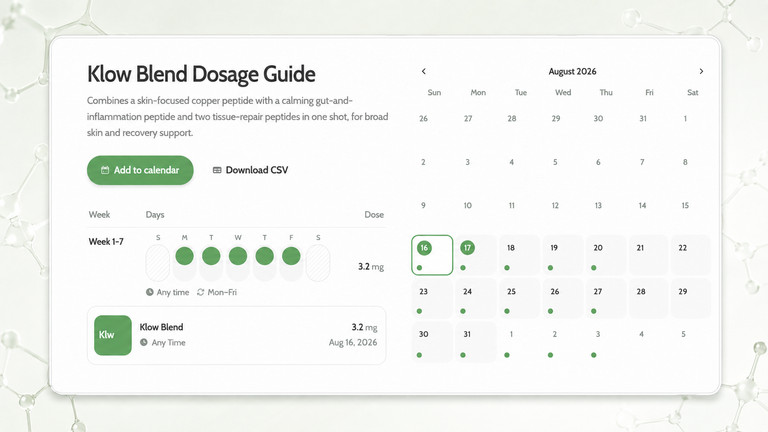
KLOW is reconstituted with bacteriostatic water and administered subcutaneously in research settings, typically in cycles of several weeks. Because dosing is a distinct topic with its own considerations, covering reconstitution volume, per-dose concentration, frequency, cycle length and storage, it is handled separately rather than here.
For dosing and preparation, see the KLOW peptide dosage calculator and protocol guide, our peptide reconstitution guide, and the peptide dosage calculator.
KLOW Peptide Side Effects and Safety
The most commonly reported KLOW side effects are local: injection-site redness, stinging or soreness. Systemic reports include transient nausea, headache, flushing and fatigue in the first week. Because no clinical trial has studied the blend, there is no controlled adverse-event data, only component research and user reports.
Injection-site reactions are the most frequent complaint by a clear margin, and are commonly attributed to GHK-Cu, which also gives reconstituted KLOW its characteristic blue colour. Reports of stinging on injection are widespread and generally described as brief.
Systemic side effects reported in the first days include mild headache, flushing, transient fatigue and occasional nausea. GHK-Cu has been associated with histamine-related effects, which would plausibly account for flushing, and the vasodilatory activity of BPC-157 and TB-500 is a candidate explanation for headache. These are mechanistic hypotheses rather than established causal links.
Copper accumulation is the one theoretical risk specific to KLOW rather than to peptides generally, given the ~7.9 mg elemental copper per vial calculated above. Anyone with Wilson's disease or another copper-handling disorder should avoid it outright.
Angiogenic activity deserves plain statement. BPC-157, TB-500 and GHK-Cu all promote new blood vessel formation. That is the intended repair mechanism, and it is also why the blend is inadvisable for anyone with an active or recently treated malignancy. This is a concern extrapolated from mechanism rather than observed, but it is the correct kind to take seriously in the absence of data.
Regulatory status, updated for 2026. None of the four components is an FDA-approved drug, and KLOW as a blend has no regulatory status whatsoever. The picture for the individual peptides did move this year. On 23 July 2026 the FDA's Pharmacy Compounding Advisory Committee voted to recommend BPC-157, KPV and TB-500 for the 503A bulks list, which would allow compounding pharmacies to prepare them on prescription, and GHK-Cu is queued for the committee's February 2027 meeting. Those votes are non-binding recommendations. The FDA still has to act through formal rulemaking that can take more than a year, and none of it constitutes drug approval. Material sold as KLOW today remains labelled for laboratory research use only, a classification that governs how a product may be marketed and is neither a quality guarantee nor a safety assessment.
Sourcing risk may exceed pharmacological risk. With unregulated research chemicals, the practical variables are purity, actual content versus label, endotoxin levels, and whether the stated ratio is what the vial contains. Insist on a batch-specific third-party certificate of analysis. A blend compounds this, since four peptides means four opportunities for a discrepancy.
Avoid entirely if: you are pregnant or breastfeeding; you have an active or recently treated cancer; you have Wilson's disease or a copper metabolism disorder; or you compete under WADA code.
Frequently Asked Questions
What are the benefits of KLOW peptide?
Shop research peptides
Live pricing from our top-rated vendor. Prices update as vendor listings change.
KLOW combines GHK-Cu, BPC-157, TB-500 and KPV, associated respectively with collagen and skin repair, soft-tissue and gut healing, cell migration, and anti-inflammatory signalling. The skin and collagen claim has the strongest support. Every other benefit rests on animal or cell-culture research, and no study has tested the blend itself.
What does KLOW peptide do?
KLOW targets four stages of tissue repair at once. GHK-Cu rebuilds the extracellular matrix by stimulating collagen and elastin, BPC-157 acts on localised soft tissue and gut lining, TB-500 mobilises cells toward injury, and KPV inhibits NF-κB inflammatory signalling. The mechanisms are established individually; the combined effect is untested.
What is KLOW peptide used for?
In research settings, KLOW is used in studies of skin and collagen remodelling, soft-tissue and tendon repair, inflammatory signalling, and gut barrier function. It is sold for laboratory research use only, is not approved for human use anywhere, and has no established therapeutic application.
What is in the KLOW peptide blend?
The standard 80 mg vial contains 50 mg GHK-Cu, 10 mg BPC-157, 10 mg TB-500 and 10 mg KPV, meaning GHK-Cu alone is 62.5% of the total mass. Ratios are conventional rather than standardised and vary between suppliers, so check the certificate of analysis.
What are the side effects of KLOW peptide?
Injection-site redness, stinging and soreness are the most commonly reported effects. Transient nausea, headache, flushing and fatigue appear in first-week reports. There is no controlled adverse-event data because the blend has never been studied clinically. Copper load and angiogenic activity are the two theoretical concerns worth weighing.
How long does KLOW take to work?
No trial has measured this. Community reports describe injection-site effects within days, subjective inflammatory changes at two to four weeks, and skin changes at four to eight weeks. The last of those is the only window matching an established biological timescale, dermal collagen turnover. Treat all of it as anecdote.
Is KLOW peptide safe?
Safety is inferred rather than established. No clinical trial has evaluated the blend, so there is no controlled safety data, and all components are research-use-only and unapproved. The realistic risk profile combines unknown pharmacological effects with a documented sourcing and purity risk from unregulated suppliers.
What is the difference between KLOW and GLOW?
KPV. GLOW contains GHK-Cu, BPC-157 and TB-500 at typically 70 mg total, while KLOW adds 10 mg of KPV for 80 mg. KLOW is therefore weighted slightly toward anti-inflammatory and gut-adjacent research. Both blends are majority GHK-Cu, so the practical difference is smaller than usually presented.
Is KLOW peptide FDA approved?
No. Neither KLOW nor any of its four components is an FDA-approved drug. In July 2026 an FDA advisory committee recommended BPC-157, KPV and TB-500 for the 503A compounding list, with GHK-Cu due for review in February 2027, but those votes are non-binding and concern compounding access rather than approval.
Does KLOW peptide help with weight loss?
No. None of the four peptides has a meaningful metabolic, appetite or lipolytic mechanism, with no GLP-1 or GIP receptor activity and no effect on satiety signalling. Weight change reported alongside KLOW is attributable to concurrent diet and training changes rather than the blend.
What are KLOW peptide benefits for women?
Shop research peptides
Live pricing from our top-rated vendor. Prices update as vendor listings change.
No sex-stratified data exists for KLOW, because no KLOW study exists. Female interest concentrates on the skin, collagen and ageing claims, which happen to be driven by GHK-Cu, the best-evidenced component. KLOW should not be used during pregnancy or breastfeeding, where there is no safety data at all.
Are KLOW peptide benefits good for skin?
Skin is the best-supported claim, driven by GHK-Cu's 62.5% mass share. Controlled human trials show improvements in skin density, thickness and fine lines, but they tested topical creams rather than injections. Whether subcutaneous GHK-Cu reproduces those results has never been studied.
References
Pickart L, Margolina A. Regenerative and Protective Actions of the GHK-Cu Peptide in the Light of the New Gene Data. International Journal of Molecular Sciences. 2018;19(7):1987. PMC6073405
Campbell JD, McDonough JE, Zeskind JE, et al. A gene expression signature of emphysema-related lung destruction and its reversal by the tripeptide GHK. Genome Medicine. 2012;4(8):67. Full text
Chang CH, Tsai WC, Lin MS, Hsu YH, Pang JHS. The promoting effect of pentadecapeptide BPC 157 on tendon healing involves tendon outgrowth, cell survival, and cell migration. Journal of Applied Physiology. 2011;110(3):774-780. PMID 21030672
Dalmasso G, Charrier-Hisamuddin L, Nguyen HTT, Yan Y, Sitaraman S, Merlin D. PepT1-mediated tripeptide KPV uptake reduces intestinal inflammation. Gastroenterology. 2008;134(1):166-178. PMID 18061177
Sosne G, Ousler GW. Thymosin beta 4 ophthalmic solution for dry eye: a randomized, placebo-controlled, Phase II clinical trial conducted using the controlled adverse environment (CAE) model. Clinical Ophthalmology. 2015. PMID 26056426
Sosne G, Dunn SP, Kim C. 0.1% RGN-259 (Thymosin β4) Ophthalmic Solution Promotes Healing in Neurotrophic Keratopathy: Phase III Trial. PMC9820614
Institute of Medicine (US) Panel on Micronutrients. Copper. In: Dietary Reference Intakes for Vitamin A, Vitamin K, Arsenic, Boron, Chromium, Copper, Iodine, Iron, Manganese, Molybdenum, Nickel, Silicon, Vanadium, and Zinc. National Academies Press; 2001. NCBI Bookshelf NBK222312
World Anti-Doping Agency. Prohibited List, effective 1 January 2026. Sections S0 (Non-Approved Substances) and S2.3 (Growth Factors and Growth Factor Modulators).
PubChem. Copper tripeptide GHK-Cu. CID 73587, CAS 49557-75-7.
US Food and Drug Administration. Meeting of the Pharmacy Compounding Advisory Committee, 23-24 July 2026. Committee recommended BPC-157, KPV, TB-500, MOTS-c, Semax and Epitalon for the 503A bulks list; recommendations are non-binding. FDA advisory committee calendar
European Medicines Agency / US Food and Drug Administration. SCENESSE (afamelanotide) implant. Approved EU 2014, US October 2019, for erythropoietic protoporphyria.
Disclaimer
This article is for educational and research purposes only. KLOW and its component peptides, GHK-Cu, BPC-157, TB-500 and KPV, are sold for laboratory research use only. None are approved by the FDA for human use, and none should be understood as treatments for any condition. Nothing here is medical advice or an endorsement of any vendor or product. Anyone considering these compounds should consult a qualified professional. Intended for readers 21 and over. See our Terms.
Add a comment
This will be publicly visible.
Your email address will not be published.
Your comment will be reviewed by an admin before it is published.