7 Best Peptides for Women in 2026 (Fat Loss, Anti-Aging, and Hormonal Balance)
The 7 best peptides for women ranked by goal: fat loss, anti-aging, recovery, and hormonal balance. Dosing context, safety notes, and who each is best for.

Last updated: June 3, 2026
The best peptides for women span a wide range of goals, from gut healing and joint repair to visceral fat reduction and skin anti-aging. BPC-157 is our top overall pick: a 15-amino-acid compound derived from human gastric protein that supports collagen synthesis, gut barrier integrity, and connective tissue repair across multiple systems simultaneously, with a favorable preclinical tolerability profile. For women focused specifically on fat loss, AOD-9604 stands out because it targets lipolysis in visceral and subcutaneous adipose tissue through beta-3 adrenergic receptor activation without raising IGF-1, triggering androgenic side effects, or disrupting an already fluctuating hormonal environment.
In addition to our research, our team evaluated 7 peptides used in women's health protocols to confirm our top 7 list. Rankings are based on the following criteria: we evaluated clinical evidence and mechanism of action as it applies to female physiology; we assessed frequency of use across women's health and functional medicine sources; we reviewed safety profiles and contraindications specific to women, including perimenopause, HRT use, and hormonal context; we compared typical dosing protocols available from licensed compounding and telehealth providers; and we cross-referenced coverage across peer-reviewed citations and clinical guidance pages. We evaluated over 20 peptide compounds sourced from PubMed clinical literature and major telehealth provider formularies.
Disclaimer: This guide is for educational and research purposes only. Peptides referenced are research chemicals, not for human consumption. By accessing this site, you agree to our Terms of Service and the full disclaimer at the bottom of this page.
Best Peptides for Women at a Glance
Use this table to compare all 7 peptides by primary benefit, ideal user, and administration route before diving into the full reviews below.
Peptide | Best For | Primary Benefit | Administration | Works Well With |
|---|---|---|---|---|
BPC-157 | Gut healing and joint repair | Reduces intestinal permeability; accelerates tendon and connective tissue repair | 200-500 mcg subcutaneous injection daily, or 250-500 mcg oral for gut use | Sermorelin, GHK-Cu |
CJC-1295 + Ipamorelin | Body composition and sleep quality | Synergistic GH pulse; supports fat loss, lean muscle, and deep sleep | 100-300 mcg of each injected subcutaneously once daily before bed | Sermorelin, AOD-9604 |
Sermorelin | Growth hormone support and body composition | Restores pulsatile GH secretion through the pituitary feedback loop | 200-500 mcg subcutaneous injection nightly, 5 out of 7 nights per week | CJC-1295 + Ipamorelin, BPC-157 |
GHK-Cu | Skin aging and hair thinning | Stimulates collagen and elastin; reduces follicle miniaturization from DHT | 0.2-2% topical once or twice daily; 0.5-2 mg subcutaneous injection (off-label) | BPC-157, CJC-1295 + Ipamorelin |
AOD-9604 | Targeted fat loss without hormonal disruption | Stimulates lipolysis in visceral and subcutaneous fat without raising IGF-1 | 250-500 mcg subcutaneous injection once daily in the morning | Tesamorelin, CJC-1295 + Ipamorelin |
Tesamorelin | Visceral belly fat in women | Reduces visceral adipose tissue by restoring GH pulsatility via the pituitary axis | 2 mg subcutaneous injection once daily, typically at bedtime | AOD-9604, Sermorelin |
Kisspeptin | Hormonal balance and fertility support | Drives upstream GnRH/LH/FSH signaling to support hormonal regulation and ovulation | 100-200 mcg subcutaneous injection once daily in 8-12 week cycles (compounding protocols) | Sermorelin |

List of the 7 Best Peptides for Women
1. BPC-157
Best for: gut healing and joint repair
BPC-157 (Body Protection Compound-157) is a synthetic pentadecapeptide, a chain of 15 amino acids, derived from a protein found in human gastric juice. It promotes tissue repair through several mechanisms: it stimulates fibroblast proliferation and collagen synthesis, upregulates growth hormone receptor expression in tendon cells via JAK2 signaling, promotes angiogenesis through VEGFR2-Akt-eNOS pathways, and stabilizes tight junction proteins (ZO-1, occludin, claudin) in the gut lining to reduce intestinal permeability. Research is primarily preclinical (animal models), with very limited human trial data available.
Why it works for women: As estrogen declines during perimenopause and menopause, women experience accelerated connective tissue degradation, increased gut permeability, and slower muscle and tendon recovery, all areas where BPC-157's mechanisms are most studied. Estrogen normally supports collagen integrity and gut barrier function; as levels fall, the compounding effects of reduced collagen turnover and increased intestinal permeability become more prominent, making the peptide's proposed collagen-stimulating and tight-junction-stabilizing actions particularly relevant to this population. Additionally, the gut-hormone axis means that improved gut barrier function may indirectly support more stable hormone metabolism.
Common uses in women:
Gut healing: reducing intestinal permeability ("leaky gut"), IBS symptom management, and recovery from NSAID-related gut damage
Joint and tendon repair: accelerating recovery from connective tissue injuries, ligament strains, and chronic joint pain that worsens with estrogen decline
Muscle recovery: reducing post-exercise inflammation and supporting faster return to training
Mood and neurological support: preclinical data suggests dopaminergic and serotonergic pathway modulation, which may be relevant to mood shifts in perimenopause (evidence is animal-model only)
Typical dosing range: 200-500 mcg injected subcutaneously once daily, administered near the site of injury or in the abdomen; oral formulations are used at 250-500 mcg once to twice daily for gut-focused applications. Cycle length in clinical compounding contexts is typically 4-6 weeks for musculoskeletal goals or 4-8 weeks for gastrointestinal repair. Consult a licensed provider before starting, no validated human dosing standard exists and protocols vary by indication.
Pros:
Broad multi-system activity (gut, tendons, muscle, vasculature) addresses several overlapping issues common in midlife women
Oral stability in gastric juice makes it one of the few peptides that retains activity when taken by mouth, offering an alternative to injection for gut-specific use
Favorable preclinical tolerability profile with no severe toxicity observed in animal studies across a wide dose range
Cons:
Virtually all efficacy data is from animal models; only one small human trial (12 participants, knee pain) has been published, making extrapolation to women speculative
Not FDA-approved; the FDA has issued a safety alert noting compounded BPC-157 products may cause immune system reactions and carry unknown impurity risks
Banned by WADA/USADA, making it off-limits for competitive athletes
Shop research peptides
Live pricing from our top-rated vendor. Prices update as vendor listings change.
Safety note: BPC-157 should not be used during pregnancy or breastfeeding, no safety data exists in these populations and its angiogenic and growth-promoting mechanisms pose theoretical risks to fetal development. Women with active or prior hormone-sensitive cancers should also avoid use, as BPC-157's pro-angiogenic effects could theoretically support tumor vascularization; individuals with serious liver, kidney, or endocrine disorders should consult a specialist before considering it (American Wellness Pharmacy compounding reference; inovifertility.com clinical overview).
2. CJC-1295 + Ipamorelin
Best for: body composition and sleep quality
CJC-1295 is a synthetic analog of growth hormone-releasing hormone (GHRH) that binds to GHRH receptors on pituitary somatotroph cells, stimulating growth hormone (GH) synthesis and release. Ipamorelin is a selective ghrelin mimetic that binds to the ghrelin receptor (GHS-R1a) in the pituitary and hypothalamus, triggering a rapid, clean GH pulse without raising cortisol or prolactin. Used together, the two peptides act on distinct receptor pathways and produce a synergistic effect, clinical practice sources describe a 3-5 fold increase in GH release compared to either compound alone, with CJC-1295 sustaining elevated GH levels over hours and Ipamorelin providing the initial pulse.
Why it works for women: GH secretion declines roughly 14% per decade after age 30, and this decline accelerates during perimenopause as estrogen, which normally amplifies pituitary GH pulses, falls. The overlap of dropping estrogen and dropping GH compounds changes in body composition (visceral fat gain, lean mass loss), sleep architecture, and skin quality that women in their 40s and 50s commonly report. By stimulating the pituitary's own GH release rather than supplying exogenous HGH, CJC-1295 + Ipamorelin works within the body's feedback loop, which helps preserve pulsatile GH patterns and reduces the risk of suppressing endogenous production.
Common uses in women:
Supporting fat loss, particularly in estrogen-sensitive depots (abdomen, hips, thighs) by promoting lipolysis
Preserving lean muscle mass during caloric deficit or during the muscle-wasting phase of perimenopause
Improving deep-sleep quality, which is often the first reported benefit, appearing within 1-2 weeks of starting therapy
Supporting skin elasticity, hair thickness, and nail strength through IGF-1-mediated tissue repair
Typical dosing range: 100-300 mcg of each peptide (CJC-1295 and Ipamorelin) injected subcutaneously once daily, typically before bed on an empty stomach (at least 2 hours after eating); most compounding pharmacy protocols start women at 100-150 mcg each daily and titrate to 200 mcg each over 4-8 weeks based on response and lab monitoring; common cycling protocol is 3 months on, 1 month off. Always consult a licensed provider before starting; these peptides are available only through a prescription and an accredited compounding pharmacy.
Pros:
Selective GH stimulation without raising cortisol or prolactin, making the side-effect profile cleaner than older secretagogues
Works within the body's natural pulsatile GH rhythm rather than overriding it with exogenous HGH
Sleep quality improvements are typically reported early (weeks 1-2), giving women a tangible near-term signal the therapy is working
Cons:
Both peptides are off-label; the FDA has not approved either for therapeutic use, and has flagged compounded versions as presenting potential safety risks
Requires daily subcutaneous self-injection; the reconstituted solution must be refrigerated and used within 30-45 days
No large randomized controlled trials specifically in perimenopausal women; clinical evidence base is largely observational and compounding-clinic derived
Safety note: CJC-1295 + Ipamorelin should be avoided by anyone who is pregnant, breastfeeding, or has an active cancer diagnosis or personal history of cancer, as elevated IGF-1 may theoretically promote tumor growth. Women on hormone replacement therapy or other hormonal medications should have their full hormone panel reviewed by a prescribing provider before starting, as concurrent hormonal therapies can alter the interaction profile. Rare but serious adverse events including immunogenicity reactions and cardiovascular effects (transient flushing, increased heart rate, vasodilation) have been reported with CJC-1295; source only through a licensed provider and accredited compounding pharmacy.
3. Sermorelin
Best for: growth hormone support and body composition
Sermorelin is a 29-amino acid synthetic peptide representing the 1-29 N-terminal fragment of endogenous human growth hormone-releasing hormone (GHRH). It binds to GHRH receptors in the anterior pituitary, stimulating the gland to produce and secrete its own growth hormone in discrete pulses, mimicking the body's natural pulsatile GH release pattern. Because it works through the pituitary's own feedback loop (regulated by IGF-1 and somatostatin), it preserves natural hormone regulation rather than bypassing it. The FDA approved sermorelin in 1997 for GH deficiency in children; commercial production was discontinued in 2008, and it is now available only through compounding pharmacies for off-label adult use.
Why it works for women: Natural growth hormone output declines approximately 14% per decade after age 30, with women experiencing a steeper functional drop during perimenopause due to the withdrawal of estrogen, which previously amplified GH pulses. This decline contributes to increased visceral fat accumulation, loss of lean muscle, reduced bone density, and disrupted sleep, all common perimenopausal complaints. Sermorelin addresses these downstream effects by restoring pituitary GH secretion without directly replacing estrogen or progesterone, making it a distinct adjunct to or alternative for women who cannot or choose not to use conventional HRT.
Common uses in women:
Shop research peptides
Live pricing from our top-rated vendor. Prices update as vendor listings change.
Supporting body composition during perimenopause (reducing visceral fat, preserving lean muscle mass)
Improving sleep quality, which is disrupted in an estimated 40-60% of women during menopause years
Bone density support, GH activates osteoblast activity; postmenopausal women receiving GH in studies showed up to 14% increases in bone mineral content
Reducing fatigue and improving energy through enhanced mitochondrial function and cellular repair signaling
Supporting skin thickness and elasticity via GH-driven collagen synthesis
Typical dosing range: 200-500 mcg injected subcutaneously (abdomen or thigh, using an insulin syringe) nightly on an empty stomach, 5 out of 7 nights per week; some compounding pharmacy protocols use 0.15-0.3 mL of a 1 mg/mL formulation on the same schedule. Injections are timed 30-60 minutes before sleep, following at least 2 hours of fasting. Consult a licensed prescriber before starting, dosing is individualized based on age, body composition, and IGF-1 lab values.
Pros:
Works through the body's own pituitary feedback loop, so natural GH regulation is preserved and the risk of oversuppression is lower than with exogenous HGH
Long clinical track record, originally FDA-approved in 1997, with compounding use well-documented in adults
Addresses multiple perimenopausal symptoms simultaneously (body composition, sleep, bone density, skin) without directly replacing sex hormones
Cons:
No longer FDA-approved for adults; all current use is off-label through compounding pharmacies, meaning quality and concentration can vary by pharmacy
Requires nightly subcutaneous injections, which are inconvenient for some patients; the short half-life (10-12 minutes) means it must be dosed daily to maintain effect
Does not address estrogen- or progesterone-specific symptoms such as hot flashes or vaginal dryness
Safety note: Sermorelin is contraindicated in individuals with active or suspected malignancy, as growth hormone can stimulate tumor growth. Women who are pregnant or breastfeeding, or who have untreated hypothyroidism, epilepsy, poorly controlled diabetes, or hyperglycemia should avoid use or consult their provider before starting.
4. GHK-Cu (Copper Peptide)
Best for: skin aging and hair thinning
GHK-Cu is a naturally occurring tripeptide, glycyl-L-histidyl-L-lysine, bound to a copper ion. It circulates in blood plasma, saliva, and urine, and functions as a master regulator of tissue remodeling: it stimulates fibroblasts to produce types I and III collagen and elastin, activates lysyl oxidase to cross-link those fibers into durable networks, and modulates over 4,000 human genes involved in repair, antioxidant defense, and stem cell activity. Plasma GHK-Cu levels decline roughly 60% between age 20 (approximately 200 ng/mL) and age 60 (approximately 80 ng/mL), creating a measurable deficit that coincides with accelerated tissue aging.

Why it works for women: In the first five years after menopause, women can lose up to 30% of their skin collagen due to falling estrogen, a rate of loss far steeper than general age-related decline. GHK-Cu addresses this directly by stimulating collagen production and activating epigenetic repair programs that estrogen would otherwise support. On the scalp, declining estrogen combined with relative androgen dominance triggers follicle miniaturization; GHK-Cu has been shown to reduce conversion of testosterone to DHT, the androgen responsible for follicle shrinkage, while extending the anagen (growth) phase of the hair cycle, making it relevant for the androgenic and hormonal hair thinning common in perimenopause and postmenopause.
Common uses in women:
Topical anti-aging: reducing wrinkle depth, improving skin firmness and density after menopause-driven collagen loss
Female pattern hair thinning: applied topically to the scalp as a standalone or adjunct to minoxidil or PRP protocols
Post-procedure skin recovery: accelerating wound healing and reducing inflammation after laser, microneedling, or chemical peel treatments
Hyperpigmentation and melasma: fading dark spots and uneven tone linked to hormonal shifts and UV exposure
Typical dosing range: Topical: 0.2-2% concentration applied once or twice daily to face or scalp; start at the lower end and increase based on tolerance over 3-6 months. Injectable: 0.5-2 mg subcutaneously once daily (off-label; no FDA-approved indication exists and injectable GHK-Cu was classified as a high-risk compounded substance by the FDA in September 2023, restricting 503A pharmacy compounding). Consult a licensed provider before starting any GHK-Cu protocol, particularly injectable forms.
Pros:
Topical formulations have a well-established safety record; not cytotoxic or irritating at concentrations up to 3% in published compounding data
A clinical trial of 21 women showed a mean 28% increase in collagen density after 3 months of daily topical use; a separate 8-week study in 40 women aged 40-65 measured a 55.8% reduction in wrinkle volume and 32.8% reduction in wrinkle depth
Non-hormonal mechanism means it can be layered with HRT without interaction concerns
Cons:
Injectable forms carry significant regulatory uncertainty: the FDA designated injectable GHK-Cu as high-risk in September 2023, and there are no large human clinical trials of injected GHK-Cu; evidence for systemic use is largely from cell studies and animal models
Excessive topical concentrations or overuse can theoretically elevate matrix metalloproteinases (MMPs), which may paradoxically increase collagen breakdown, a phenomenon sometimes called "copper uglies"
Shop research peptides
Live pricing from our top-rated vendor. Prices update as vendor listings change.
Safety note: GHK-Cu is contraindicated in active or suspected cancer (it promotes angiogenesis, which could theoretically support tumor growth), Wilson's disease (a copper metabolism disorder), pregnancy, and breastfeeding (insufficient safety data). Avoid injectable formulations if using blood thinners or immunosuppressants without physician clearance.
5. AOD-9604
Best for: targeted fat loss without hormonal disruption
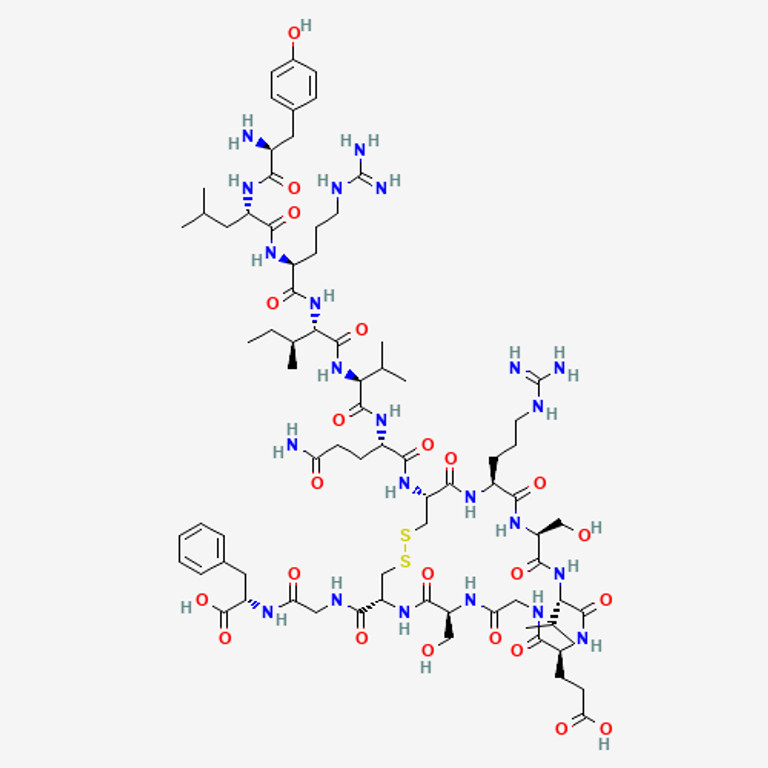
AOD-9604 is a synthetic 16-amino-acid peptide derived from the C-terminal fragment (positions 176-191) of human growth hormone, with a stabilizing tyrosine added at the N-terminus. It was developed at Monash University in Australia in the 1990s specifically to isolate the fat-metabolizing activity of HGH. The peptide stimulates lipolysis (fat breakdown) and inhibits lipogenesis (new fat storage) by activating beta-3 adrenergic receptors in adipose tissue and modulating AMP-activated protein kinase (AMPK), a cellular energy regulator, without binding to the classical GH receptor or raising IGF-1 levels.
Why it works for women: As estrogen declines during perimenopause and menopause, the female body shifts fat storage toward the abdomen and becomes less responsive to catecholamine-driven lipolysis. AOD-9604 directly targets beta-3 adrenergic receptors in visceral and subcutaneous adipose tissue, the same fat depots that tend to accumulate during hormonal transitions, without triggering androgenic side effects (such as acne, hair thinning, or virilization) that can occur with full-length growth hormone or androgen-containing therapies. Because it does not alter IGF-1, cortisol, insulin sensitivity, or sex hormone levels, it integrates without disrupting an already fluctuating hormonal environment.
Common uses in women:
Reducing visceral and abdominal fat accumulation during perimenopause and menopause
Supporting body recomposition when diet and exercise yield diminishing returns due to hormonal changes
Targeting subcutaneous fat in the lower abdomen and hips that is resistant to standard caloric restriction
Adjunct support for women on HRT or GLP-1 therapy who want targeted fat metabolism support without adding androgens
Typical dosing range: 250-500 mcg injected subcutaneously once daily, typically in the morning on an empty stomach; clinical trials evaluated doses of 250 mcg, 500 mcg, and 1,000 mcg daily over 24 weeks, with no additional benefit observed above 1,000 mcg. Prescribed and compounded by licensed providers, consult a licensed provider before starting.
Pros:
Does not raise IGF-1 or impair glucose/insulin metabolism, confirmed in human clinical trials involving over 900 participants
No androgenic side effects, making it suitable for women who cannot tolerate HGH or anabolic compounds
Generally well-tolerated; most side effects in clinical trials were mild and transient (injection site redness, brief headache)
Cons:
Not FDA-approved for any indication; development as an obesity drug was discontinued in 2007 after a Phase IIb trial did not reach statistical significance for weight loss
Available only through compounding pharmacies by prescription, with no standardized commercial formulation
Safety note: AOD-9604 should be avoided during pregnancy and breastfeeding, as no safety data exist for these populations. It should also be avoided in individuals with active malignancy or a history of cancer, as effects on tumor growth have not been studied; consult a licensed provider before use if you have any history of hormone-sensitive conditions or are currently taking HRT.
6. Tesamorelin
Best for: visceral belly fat in women

Tesamorelin is a synthetic analog of growth hormone-releasing hormone (GHRH) consisting of 44 amino acids structurally identical to endogenous human GHRH, modified with a trans-3-hexenoic acid group that extends its half-life from under 10 minutes to approximately 26-38 minutes. It binds to GHRH receptors on somatotroph cells in the anterior pituitary, triggering cAMP/PKA signaling that stimulates pulsatile growth hormone secretion, preserving natural hypothalamic feedback rather than flooding the system with exogenous GH. The resulting GH pulses then stimulate hepatic IGF-1 production, which drives lipolysis preferentially in visceral adipose tissue (VAT), where GH receptor concentrations are higher than in subcutaneous fat.
Shop research peptides
Live pricing from our top-rated vendor. Prices update as vendor listings change.
Why it works for women: Estrogen normally suppresses visceral adipocyte hypertrophy; as estrogen declines during perimenopause and menopause, fat distribution shifts from gynoid (hips, thighs) to android (abdominal) patterns even without total weight gain. Endogenous GH secretion also declines approximately 14% per decade after age 30, compounding the VAT accumulation problem. Tesamorelin restores GH pulsatility through the pituitary axis, targeting the VAT deposits that lifestyle modifications alone often fail to address in this hormonal context.
Common uses in women:
Reduction of visceral (deep abdominal) fat accumulation driven by menopause-related hormonal shifts
Improvement of metabolic markers including triglycerides, fasting insulin, and LDL particle size
Supporting liver health in cases of non-alcoholic fatty liver disease (hepatic triglyceride reduction of 20-30% seen in preliminary MRI-based trials)
Off-label body composition improvement in women with elevated VAT and metabolic syndrome, independent of HIV status
Typical dosing range: 2 mg injected subcutaneously once daily (typically at bedtime, into the abdominal wall away from the navel); some compounding protocols run 5 days on / 2 days off in 3-month cycles. The 2 mg fixed dose is the FDA-approved amount for the HIV lipodystrophy indication; off-label compounding protocols may vary. Always consult a licensed provider before starting.
Pros:
Only FDA-approved GHRH analog on the market (approved 2010 for HIV-associated lipodystrophy), providing a well-documented clinical safety record
Selectively targets visceral fat rather than subcutaneous fat; 26-week trials showed 15.2% VAT reduction vs. 4.3% with placebo without significant subcutaneous fat loss
Preserves the hypothalamic-pituitary feedback loop, so GH output self-regulates and does not create supraphysiological spikes
Can improve triglycerides, fasting insulin, and hepatic fat independent of total body weight change
Cons:
Arthralgia and myalgia affect approximately 15-20% of users in the first month due to GH-induced fluid retention; temporary dose reduction to 1 mg may be needed
Elevates fasting glucose through GH's insulin-antagonizing effect, requiring monitoring of HbA1c and fasting glucose at baseline, week 4, and every 12 weeks thereafter
Requires subcutaneous self-injection with precise cold-chain storage (lyophilized powder at -20 degrees C; reconstituted solution at 2-8 degrees C for no more than 14 days)
Off-label use for non-HIV women relies on limited clinical trial data; a 2019 JCEM study in women with metabolic syndrome showed 11.8% VAT reduction vs. 2.1% placebo at 2 mg daily over 26 weeks, but larger RCTs in this population are lacking
Safety note: Tesamorelin is contraindicated in pregnancy (classified Pregnancy Category X; may harm the fetus) and should not be used while breastfeeding. It is also contraindicated in anyone with an active malignancy, a history of pituitary tumors, prior head or brain radiation, or hypopituitarism, because stimulating the GH-IGF-1 axis carries a theoretical risk of accelerating tumor growth; any preexisting cancer must be fully inactive and treatment complete before starting. Women with pre-existing hyperglycemia or diabetes require close blood glucose monitoring, as tesamorelin can worsen glucose intolerance.
7. Kisspeptin
Best for: hormonal balance and fertility support

Kisspeptin is a neuropeptide encoded by the KISS1 gene that binds the GPR54 receptor (also called KISS1R) on hypothalamic neurons. Binding triggers pulsatile release of gonadotropin-releasing hormone (GnRH), which drives the downstream secretion of luteinizing hormone (LH) and follicle-stimulating hormone (FSH) from the pituitary. It functions as an upstream master regulator of the hypothalamic-pituitary-gonadal (HPG) axis and is considered essential for the onset and maintenance of reproductive function.
Why it works for women: Estrogen exerts positive feedback on KISS1 expression in the anteroventral periventricular nucleus (AVPV), a region that is sexually dimorphic and more highly expressed in females. This feedback drives the pre-ovulatory LH surge that triggers ovulation. During perimenopause, falling estrogen levels destabilize GnRH pulsatility, and research published in PMC (2009) found that kisspeptin/neurokinin B neurons in the hypothalamus are directly implicated in that HPG axis instability. A study in postmenopausal women (Journal of Clinical Endocrinology & Metabolism, 2017) showed that continuous kisspeptin infusion still stimulated LH secretion, with response magnitude dependent on estradiol levels, indicating the pathway remains at least partially responsive even after menopause.
Common uses in women:
Hypothalamic amenorrhea: kisspeptin administration has been shown to increase LH in women with hypothalamic amenorrhea, offering a potential hormone-sparing route to restoring ovulation
IVF oocyte maturation trigger: clinical trials (including a Phase 2 RCT published in PMC, 2018) demonstrated that subcutaneous kisspeptin-54 at 9.6 nmol/kg can trigger egg maturation in women at high risk of ovarian hyperstimulation syndrome (OHSS), producing successful pregnancies without OHSS complications
Hypoactive sexual desire disorder (HSDD): a randomized clinical trial of 32 premenopausal women (JAMA Network Open, 2022) found kisspeptin administration modulated brain processing of sexual and attraction stimuli in functional neuroimaging and correlated with reduced sexual aversion and distress
Perimenopausal hormonal stabilization: early research suggests kisspeptin may support GnRH/LH pulsatility during the transitional perimenopause window when HPG axis instability is most pronounced
Typical dosing range: In IVF clinical trials, kisspeptin-54 was administered as a single subcutaneous injection at 9.6 nmol/kg approximately 36 hours before oocyte retrieval, sometimes followed by a second dose 10 hours later. Compounding pharmacy protocols for general hormonal use have cited 100-200 mcg subcutaneously once daily with 8-12 week cycles, though this is not derived from large RCT data. As of 2026, no kisspeptin formulation is FDA-approved, and the FDA Pharmacy Compounding Advisory Committee voted against adding kisspeptin-10 to the 503A Bulks List. Consult a licensed provider before starting any kisspeptin protocol.
Pros:
Acts upstream on the HPG axis, supporting the body's own GnRH/LH/FSH production rather than replacing hormones directly
Clinical trial safety data (over 150 subjects across known studies) shows no serious adverse events attributed to kisspeptin
Dual-action relevance for women: addresses both reproductive/hormonal regulation and sexual desire via neural pathways
Shop research peptides
Live pricing from our top-rated vendor. Prices update as vendor listings change.
Cons:
No FDA-approved formulation exists as of 2026; off-label compounding access is now restricted following the Compounding Advisory Committee vote against 503A listing
Long-term safety data is limited; most clinical evidence comes from short-duration IVF or single-dose infusion trials, not chronic use protocols
Safety note: Women with hormone-sensitive cancers (including certain breast, ovarian, or endometrial cancers) should avoid kisspeptin, as it drives upstream sex hormone signaling and could theoretically influence estrogen-dependent tumor behavior. Use during pregnancy or breastfeeding has not been established and should be avoided without direct medical supervision.
How to Choose the Right Peptide for Your Goals

Match the Peptide to Your Primary Goal
Women focused on fat loss and body recomposition have two strong options depending on where the fat is distributed and what the hormonal backdrop looks like. AOD-9604 directly targets visceral and subcutaneous fat depots by activating beta-3 adrenergic receptors and modulating AMPK, without raising IGF-1 or triggering androgenic side effects, which makes it a practical fit for women seeking peptides for weight loss women-specific goals during hormonal transitions. Tesamorelin addresses the same problem from the pituitary axis: it restores pulsatile GH secretion, which drives preferential lipolysis in visceral adipose tissue where GH receptor concentrations are highest. A 26-week clinical trial found Tesamorelin produced a 15.2% reduction in visceral adipose tissue versus 4.3% with placebo, making it the option with the strongest controlled evidence for abdominal fat specifically.
For anti-aging and skin health, GHK-Cu and CJC-1295 + Ipamorelin address different layers of the same problem. GHK-Cu is a naturally occurring copper-bound tripeptide that stimulates fibroblasts to produce collagen and elastin, and a clinical trial of 21 women showed a mean 28% increase in collagen density after 3 months of daily topical use. CJC-1295 + Ipamorelin works more broadly: by synergistically amplifying pituitary GH release, it drives IGF-1-mediated tissue repair that improves skin elasticity, hair thickness, and nail strength alongside body composition changes.
BPC-157 is the primary choice for recovery, gut health, and joint support. It stabilizes tight-junction proteins in the gut lining, stimulates fibroblast proliferation and collagen synthesis in connective tissue, and promotes angiogenesis in healing tissue. For women experiencing faster tendon recovery times, increased gut permeability, or chronic joint pain tied to declining estrogen, BPC-157 addresses several overlapping issues within a single compound. Its oral stability in gastric juice is also notable: it is one of the few peptides that retains activity when taken by mouth, making it an option for gut-focused applications without requiring injection.
For hormonal balance and sleep, Sermorelin and Kisspeptin operate at different points in the signaling chain. Sermorelin stimulates pulsatile GH release through the pituitary, and the downstream effects include improved deep sleep, better body composition, and bone density support: postmenopausal women receiving GH in studies showed up to 14% increases in bone mineral content. Kisspeptin works upstream at the hypothalamic level, supporting GnRH and LH pulsatility when the HPG axis becomes unstable during perimenopause. A 2022 JAMA Network Open randomized trial also found kisspeptin modulated brain processing of sexual and attraction stimuli, suggesting a role in hypoactive sexual desire disorder alongside its hormonal stabilization function.
Age and Hormonal Status Matter
Perimenopause and post-menopause shift the entire landscape of which peptides are most relevant, because estrogen withdrawal compounds natural GH decline. Natural GH output falls approximately 14% per decade after age 30, and that rate accelerates during perimenopause as estrogen, which normally amplifies pituitary GH pulses, withdraws. For the best peptides for women over 40, growth hormone secretagogues including CJC-1295 + Ipamorelin and Sermorelin are frequently prioritized by functional medicine providers because they restore pulsatile GH within the body's own feedback loop rather than bypassing it. Women in this life stage dealing with visceral fat accumulation, lean mass loss, disrupted sleep, and skin changes often find that targeting GH signaling addresses several of those symptoms simultaneously.
Injection vs. Oral vs. Topical
Subcutaneous injection is the most common administration route for systemic peptides in this article, including Tesamorelin (2 mg nightly), Sermorelin (200-500 mcg nightly), CJC-1295 + Ipamorelin (100-300 mcg each, nightly), and AOD-9604 (250-500 mcg daily), because injection bypasses gastric degradation and delivers predictable plasma concentrations. Oral delivery is a practical alternative for BPC-157 when the goal is gut-specific: BPC-157 retains activity in gastric juice, and compounding protocols use 250-500 mcg once to twice daily for gastrointestinal applications. Topical application is the primary route for GHK-Cu, where 0.2-2% concentrations applied to the face or scalp daily have demonstrated measurable clinical effects on collagen density and wrinkle depth without requiring injection.
Are Peptides Safe for Women?
The peptides covered in this article are generally non-androgenic, meaning they do not carry the virilizing side effects associated with anabolic steroids or full-length growth hormone therapy. Most have favorable short-term safety profiles at clinical doses, with the strongest tolerability records belonging to compounds that have at least some human trial data, such as Tesamorelin and AOD-9604. Long-term human safety data is still limited or absent for several compounds, including BPC-157, Kisspeptin, and GHK-Cu in injectable form, so all use should be approached through licensed clinical oversight rather than self-directed protocols.
Who Should Avoid Peptides
Pregnant or breastfeeding women: All seven peptides covered here lack safety data in pregnancy and lactation. Tesamorelin carries a Pregnancy Category X designation. BPC-157, GHK-Cu, and Kisspeptin each present theoretical developmental risks through angiogenic or hormonal mechanisms.
Women with active or prior hormone-sensitive cancers: Peptides that raise IGF-1 (CJC-1295 + Ipamorelin, Sermorelin, Tesamorelin) or promote angiogenesis (BPC-157, GHK-Cu) are contraindicated in anyone with an active or suspected malignancy, and should be approached with caution in women with a prior history of breast, ovarian, or endometrial cancers. Kisspeptin is also contraindicated in hormone-sensitive cancers due to its upstream stimulation of estrogen signaling.
Women with autoimmune conditions: BPC-157 has an FDA safety alert noting that compounded versions may cause immune system reactions. Women with active autoimmune conditions should consult a specialist before considering any injectable peptide, as immune modulation effects are incompletely understood.
Women currently on HRT without provider coordination: Kisspeptin and Sermorelin both affect the hypothalamic-pituitary-gonadal axis; introducing either without reviewing current estrogen or progesterone therapy can alter the hormonal interaction profile in unpredictable ways.
Women with conditions flagged for specific peptides: Sermorelin is contraindicated in untreated hypothyroidism, epilepsy, and poorly controlled diabetes. Tesamorelin requires close glucose monitoring for anyone with preexisting hyperglycemia. GHK-Cu is contraindicated in Wilson's disease.
Common Side Effects to Know
Shop research peptides
Live pricing from our top-rated vendor. Prices update as vendor listings change.
Injection site reactions: Redness, mild swelling, or bruising at the subcutaneous injection site are among the most frequently reported effects across BPC-157, AOD-9604, CJC-1295 + Ipamorelin, and Tesamorelin.
Water retention and joint discomfort: Tesamorelin users report arthralgia and myalgia in approximately 15-20% of cases during the first month, linked to GH-induced fluid shifts. Similar transient joint stiffness can occur with Sermorelin and CJC-1295 + Ipamorelin.
Elevated fasting glucose: Tesamorelin and other GH secretagogues can antagonize insulin, raising fasting glucose and requiring baseline and periodic HbA1c monitoring.
Fatigue or temporary energy fluctuation: Some users report a transient fatigue period when beginning growth hormone secretagogues as the body adjusts to altered GH pulsatility.
Cardiovascular effects with CJC-1295: Rare but documented adverse events include transient flushing, increased heart rate, and vasodilation; these were noted in the compounding pharmacy safety record for CJC-1295 specifically.
Nausea and headache: Mild, transient nausea and brief headaches were reported in AOD-9604 clinical trials and are occasionally noted with Sermorelin at the initiation of therapy.
Most peptides covered here are not FDA-approved for general wellness use in healthy individuals; Tesamorelin is the sole exception, approved only for HIV-associated lipodystrophy. Several compounds, including BPC-157 and Kisspeptin, are classified as research chemicals in the United States, and legal access and compounding status vary significantly by country.
Frequently Asked Questions
What peptides should women take?
The right peptide depends on the primary goal. Women focused on fat loss tend toward AOD-9604 or Tesamorelin, which target visceral and abdominal fat through distinct mechanisms without androgenic side effects. Women prioritizing anti-aging and skin health often use GHK-Cu or CJC-1295 + Ipamorelin, while BPC-157 serves as a broad-spectrum option for gut health, joint repair, and recovery. A licensed provider can match the best option to individual hormonal status and health history.
What is the best peptide for belly fat in women?
AOD-9604 and Tesamorelin are the most studied peptides for abdominal fat in women. Tesamorelin has the strongest clinical backing, with a 26-week trial showing 15.2% visceral adipose tissue reduction versus 4.3% with placebo. A 2019 JCEM study in women with metabolic syndrome showed an 11.8% visceral fat reduction at 2 mg daily. Both require medical oversight and work best alongside resistance training and dietary changes.
What peptide works like Ozempic?
Semaglutide (Ozempic) is itself a GLP-1 receptor agonist peptide available only by prescription. Among compounds covered in this article, AOD-9604 targets fat metabolism by activating beta-3 adrenergic receptors and modulating AMPK, a cellular energy regulator, without binding the GH receptor or raising IGF-1. CJC-1295 + Ipamorelin supports body recomposition through growth hormone pathways. Neither replicates Ozempic's direct GLP-1 mechanism, and neither is available without a prescription from a licensed provider.
Are peptides safe for women over 40?
Many peptides used in women's health protocols are considered well-tolerated at clinical doses for women over 40, particularly growth hormone secretagogues like Sermorelin and CJC-1295 + Ipamorelin, which work through the pituitary's own feedback loop rather than bypassing it with exogenous hormones. Safety depends on individual health status, current medications, and lab values including IGF-1. Women with hormone-sensitive conditions, active malignancy, or untreated hypothyroidism should consult a specialist before starting any peptide protocol.
What is the best peptide for anti-aging in women?
GHK-Cu is one of the most studied peptides for skin anti-aging, with a clinical trial of 40 women aged 40 to 65 showing a 55.8% reduction in wrinkle volume and 32.8% reduction in wrinkle depth after 8 weeks of topical use. CJC-1295 + Ipamorelin supports anti-aging more broadly by restoring growth hormone pulse amplitude, which declines roughly 14% per decade after age 30. Both are used in clinical protocols as part of the best peptides for anti aging women strategies, targeting collagen, body composition, and tissue repair.
Do peptides interact with HRT?
Some peptides can be used alongside hormone replacement therapy with proper provider coordination, but the combination requires careful review. Kisspeptin and Sermorelin both act on the hypothalamic-pituitary axis, the same signaling pathway that HRT influences, and introducing them alongside estrogen or progesterone therapy can alter the hormonal interaction profile. GHK-Cu is a notable exception, as its non-hormonal collagen-stimulating mechanism means it can generally be layered with HRT without interaction concerns. A prescribing provider should review all current medications before combining peptide therapy with HRT.
Our Final Recommendation
The best peptides for women depend on your primary goal and hormonal stage. BPC-157 is the broadest starting point for recovery, gut health, and connective tissue support. For fat loss, AOD-9604 and Tesamorelin offer the most targeted metabolic mechanisms. Women in perimenopause or post-menopause prioritizing body composition and sleep will find the most evidence behind CJC-1295 + Ipamorelin and Sermorelin. GHK-Cu remains the go-to for topical skin anti-aging. Whatever the goal, work with a licensed provider to confirm the right protocol for your individual health status before starting.
Disclaimer
The information provided on Peptide Mind is for educational purposes only and is not a substitute for professional medical advice. Many peptides discussed on this site are unapproved research chemicals intended strictly for laboratory and preclinical use. Furthermore, any dosage calculator provided is a theoretical tool for math visualization and does not represent medical dosing instructions. The FDA has not evaluated these statements, and nothing on this site is intended to diagnose, treat, cure, or prevent any disease. By accessing this site, you confirm you are over the age of 21, waive any claims or liability arising from the use of the content portrayed, and fully indemnify Peptide Mind against any unauthorized usage, claims, or liability in accordance with our Terms of Service.
Add a comment
This will be publicly visible.
Your email address will not be published.
Your comment will be reviewed by an admin before it is published.