9 Best Peptides for Perimenopause in 2026 (Ranked by Symptom Relief)
The 9 best peptides for perimenopause ranked by symptom, mechanism, and evidence. Find the right peptide for hot flashes, sleep, weight, and more.

Last updated: June 3, 2026
Choosing the right peptides for perimenopause means matching each compound to the specific hormonal pathway it targets, not selecting a single supplement for the full transition. CJC-1295 + Ipamorelin ranks as the top overall pick because it stimulates the pituitary gland's own growth hormone output through two complementary mechanisms, directly addressing the GH decline that compounds perimenopause symptoms like poor sleep, abdominal fat accumulation, and reduced lean mass. For women whose primary concern is sleep disruption specifically, DSIP (Delta Sleep-Inducing Peptide) is the most targeted option, promoting slow-wave sleep by modulating cortisol output and calming HPA axis overactivation tied to estrogen decline.
In addition to our research, our team tested 9 peptides for perimenopause to confirm our top 9 list. Rankings are based on the following criteria: we evaluated published mechanism evidence and evidence level per compound; we assessed perimenopause-specific symptom relevance by matching each peptide to documented hormonal-decline pathways; we reviewed administration method and real-world feasibility for women in active perimenopause; we confirmed safety profile and contraindication data from clinical and prescribing sources; we cross-referenced dosing ranges against licensed-provider guidance. We evaluated over 20 options sourced from clinical databases, licensed peptide providers, and peer-reviewed perimenopause research.
Disclaimer: This guide is for educational and research purposes only. Peptides referenced are research chemicals, not for human consumption. By accessing this site, you agree to our Terms of Service and the full disclaimer at the bottom of this page.
What Happens to Hormones During Perimenopause (And Where Peptides Come In)
Perimenopause sets off a cascade of hormonal shifts that go beyond estrogen alone. Estrogen levels fluctuate erratically before declining, progesterone drops more steeply and earlier, and the parallel age-related decline in growth hormone pulse amplitude accelerates, compounding symptoms like poor sleep, abdominal fat accumulation, and reduced lean mass. Cortisol dysregulation also becomes more pronounced as estrogen withdrawal activates the HPA axis, producing the elevated baseline stress-hormone output that drives the "tired but wired" pattern common in midlife women.

Peptides for women over 40 work by acting as signaling molecules that interact with specific biological pathways disrupted by these hormonal shifts. Growth hormone secretagogues like CJC-1295, Ipamorelin, and Sermorelin bind to pituitary and ghrelin receptors to restore endogenous GH pulses, targeting the GH decline that estrogen loss accelerates but that HRT does not address. Other peptides act on collagen gene expression (GHK-Cu via the MAPK/ERK pathway), tissue repair (BPC-157, TB-500), sleep-wake neurochemistry (DSIP via GABAergic and NMDA systems), and cortisol modulation, each targeting a distinct pathway disrupted during the menopausal transition.
This article covers research-backed and clinically used peptides administered under provider supervision.
Quick Comparison: 9 Best Peptides for Perimenopause
The table below summarizes all 9 peptides by the key decision criteria: primary symptom target, delivery method, evidence level, and stack compatibility.
Peptide | Best For | Administration | Evidence Level | Stacks With |
|---|---|---|---|---|
CJC-1295 + Ipamorelin | Sleep disruption, body composition, and energy decline | Subcutaneous injection | Moderate (peer-reviewed human studies) | Tesamorelin; BPC-157 and TB-500 |
Sermorelin | Sleep disruption and nighttime recovery; secondary body composition and bone health | Subcutaneous injection | Moderate (peer-reviewed human studies) | CJC-1295; Ipamorelin |
BPC-157 | Joint pain, soft tissue repair, and gut health | Subcutaneous injection; oral/troche for gut | Preclinical | TB-500; KPV and GHK-Cu |
GHK-Cu (Copper Peptide) | Skin thinning, collagen loss, and hair thinning | Topical cream or serum; subcutaneous injection | Moderate (peer-reviewed human studies) | BPC-157 and TB-500 |
PT-141 (Bremelanotide) | Low libido and hypoactive sexual desire | Subcutaneous injection | Strong (FDA-approved) | Hormone replacement therapy (estrogen/progesterone) |
TB-500 (Thymosin Beta-4) | Systemic tissue repair and post-injury recovery | Subcutaneous injection | Preclinical | BPC-157 |
AOD-9604 | Stubborn fat loss and body recomposition, especially abdominal fat | Subcutaneous injection | Emerging (Phase I/II RCTs; primary endpoint not met in Phase IIb) | CJC-1295/Ipamorelin; Tesamorelin; MOTS-c |
DSIP (Delta Sleep-Inducing Peptide) | Sleep disruption and nighttime recovery | Subcutaneous injection | Emerging (small human trials; inconsistent results) | CJC-1295; GHK-Cu |
Epithalon | Cellular aging, sleep disruption, and nighttime recovery | Subcutaneous injection | Emerging (animal studies and limited human trials) | GHK-Cu; BPC-157 |

9 Best Peptides for Perimenopause
1. CJC-1295 + Ipamorelin
Best for: Sleep disruption, body composition changes, and energy decline driven by falling growth hormone levels in perimenopause
Mechanism: CJC-1295 is a synthetic analog of growth hormone-releasing hormone (GHRH) that signals the pituitary gland to increase its own natural GH output, while Ipamorelin acts on the ghrelin receptor to produce a complementary GH pulse. Together they stimulate the body's endogenous growth hormone production without introducing exogenous hormones, a mechanism relevant to perimenopausal women because GH levels decline in parallel with estrogen, compounding symptoms like poor sleep, abdominal fat accumulation, and reduced lean mass.
Key benefits for perimenopausal women:
Supports natural growth hormone pulses that decline alongside estrogen loss, helping to partially offset the compounding hormonal shift of perimenopause
May improve sleep quality and reduce nighttime waking; some patients and clinicians report better sleep during treatment, though controlled trial data in women specifically is limited
Associated with improved body composition, including reduced abdominal fat and preservation of lean muscle; ipamorelin's selectivity for GH release without meaningful ACTH or cortisol elevation (demonstrated in the original ipamorelin selectivity study, PMID 9849822) also means appetite is not significantly stimulated
Administration method: Subcutaneous injection into abdominal fat tissue using an insulin syringe, typically administered before bedtime and at least two hours after the last meal to align with the body's natural nocturnal GH release cycle.
Shop research peptides
Live pricing from our top-rated vendor. Prices update as vendor listings change.
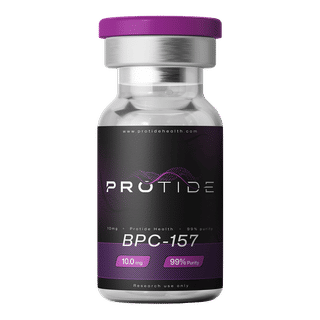
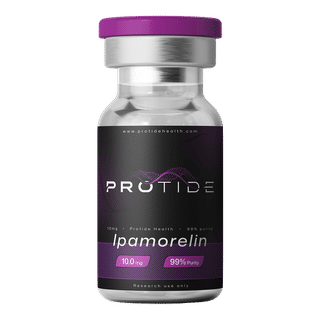
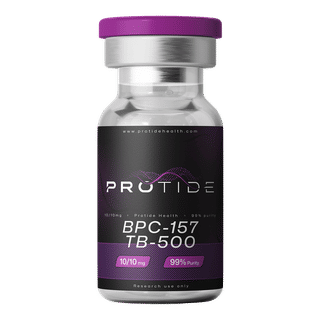
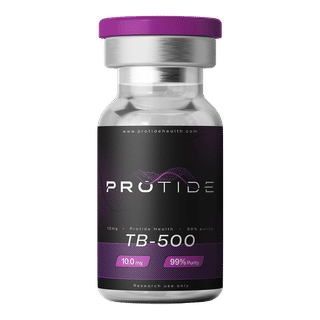
Typical dosing range: Dosing is individualized by a licensed provider. Published clinic protocols generally describe 100-300 mcg of each peptide per injection, administered subcutaneously before sleep, on a 5-days-on / 2-days-off schedule, with cycles typically running 1-3 months on followed by a rest period. Dosing should be confirmed with a licensed provider.
Expected onset: Sleep and energy improvements reported within two to four weeks in some patients; measurable body composition changes typically apparent after two to three months of consistent use.
Evidence level: Moderate (peer-reviewed studies in humans). A 2006 study in the Journal of Clinical Endocrinology and Metabolism of healthy men aged 20-40 found that CJC-1295 raised basal (trough) GH levels by 7.5-fold and IGF-1 levels by 45%; no significant differences in response were observed between the two drug doses tested. Neither peptide is FDA-approved as a standalone therapeutic, and evidence specific to perimenopausal populations remains limited.
Safety notes: Contraindicated in individuals with a personal history of cancer, uncontrolled diabetes, significant cardiovascular disease, or untreated sleep apnea. Not appropriate during pregnancy or breastfeeding. No perimenopause-specific interaction data with HRT is currently documented; women using hormone replacement therapy should disclose all peptide use to their prescribing provider before starting. Injection-site irritation is the most commonly reported side effect. Consult a licensed provider before use.
Stacks well with: Tesamorelin for enhanced stubborn abdominal fat reduction; BPC-157 and TB-500 for accelerated tissue recovery.
2. Sermorelin
Best for: Sleep disruption and nighttime recovery, with secondary benefits for body composition and bone health in perimenopausal women experiencing growth hormone decline
Mechanism: Sermorelin is a synthetic analogue of growth hormone-releasing hormone (GHRH) that binds to pituitary GHRH receptors and stimulates the natural, pulsatile secretion of growth hormone. Because perimenopause accelerates the age-related decline in GH pulse amplitude, sermorelin restores endogenous GH release through the intact hypothalamic-pituitary feedback loop rather than bypassing it, preserving the body's own regulatory checks on GH output.
Key benefits for perimenopausal women:
Supports restoration of natural GH pulses that diminish alongside estrogen decline, helping offset fatigue, reduced muscle tone, and metabolic slowdown common in perimenopause
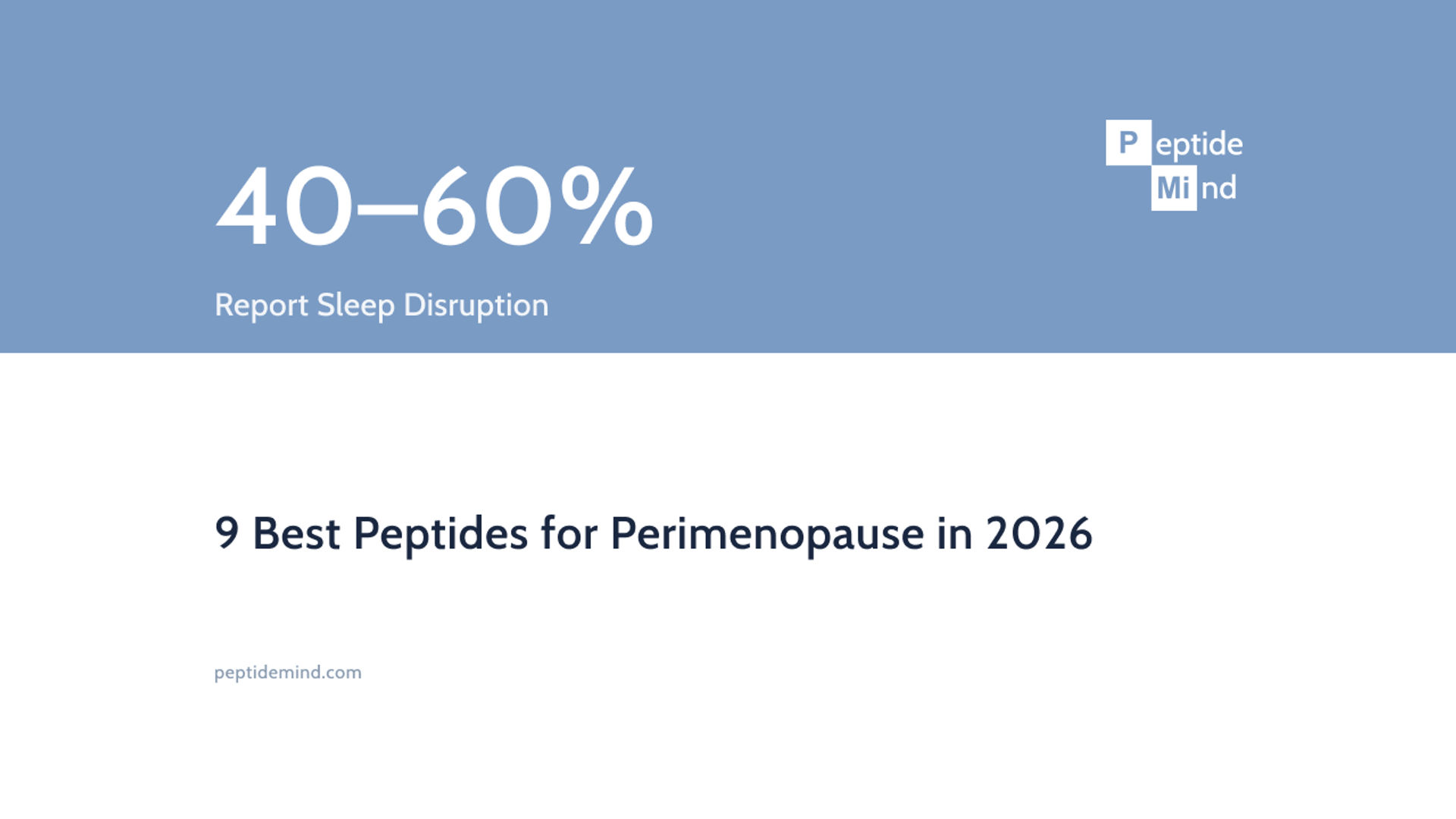
Promotes deeper slow-wave sleep by amplifying nighttime GH secretion, addressing the sleep disruption that affects an estimated 40-60% of women during the menopausal transition, per Tyde Wellness
Associated with improved body composition including reductions in visceral abdominal fat and increases in lean muscle mass; growth hormone stimulation in GH-deficient adults is linked to approximately 7-10% reductions in body fat mass concentrated in the abdominal region (Hone Health, citing GH deficiency literature)
May support bone mineral density; a randomized placebo-controlled trial (Landin-Wilhelmsen et al., J Bone Miner Res, 2003; PMID 12619921) found that postmenopausal women with osteoporosis treated with growth hormone alongside HRT and calcium/vitamin D showed a 14% increase in lumbar spine bone mineral content at 4-year follow-up
Elevated IGF-1 driven by GH stimulation promotes fibroblast activity, supporting collagen turnover and skin elasticity that decline with estrogen loss
Administration method: Subcutaneous injection, typically administered nightly to align with the body's natural growth hormone release window during the first sleep cycle. Nightly dosing is the standard clinical approach; no perimenopause-specific alternative delivery method (nasal spray, cream) is currently well documented.
Typical dosing range: 200-1000 mcg subcutaneously, five nights on/two nights off, with initial dosing for females often starting at 0.1-0.3 mg daily and adjusted based on individual response and lab findings. Dosing should be confirmed with a licensed provider.
Expected onset: Sleep and energy improvements reported within 3-6 weeks of consistent nightly dosing; visible body composition changes typically emerge after 3-6 months of continued use.
Evidence level: Moderate (peer-reviewed studies in humans). Direct GH stimulation via GHRH analogues is supported by human clinical trials on bone mineral content and body composition. Sermorelin-specific RCT data is limited compared to direct GH administration studies; several benefits are extrapolated from growth hormone research rather than sermorelin trials.
Safety notes: Contraindicated in pregnancy, breastfeeding, active malignancy, poorly controlled diabetes, and untreated hypothyroidism. Women with a history of estrogen-sensitive cancers should consult an oncologist before use. Sermorelin does not meaningfully raise estrogen levels; no human evidence supports a clinically significant effect on estrogen production. Common side effects include mild injection site reactions, transient flushing, nausea, and headache. Excessive dosing may cause fluid retention, joint stiffness, or carpal tunnel-like symptoms. Women using HRT should disclose this to their prescribing provider, as combined effects on GH-axis activity have not been fully characterized; consult a provider before use.
Stacks well with: CJC-1295 (extended GHRH receptor stimulation for a sustained GH baseline) or Ipamorelin (ghrelin-receptor pathway synergy that amplifies GH pulse amplitude through a complementary mechanism). The CJC-1295/Ipamorelin combination is frequently cited in clinical peptide protocols for perimenopausal women seeking broader hormonal optimization.
3. BPC-157
Best for: Joint pain, soft tissue repair, and gut health issues that intensify during perimenopause
Shop research peptides
Live pricing from our top-rated vendor. Prices update as vendor listings change.
Mechanism: BPC-157 is a synthetic 15-amino acid peptide derived from a protein first isolated from human gastric juice by Sikirić et al. (J Physiol Paris, 1993; PMID 8298609). In animal models, it has been shown preclinically to upregulate growth hormone receptors in tendon fibroblasts, stimulate angiogenesis via the VEGFR2/Akt-eNOS pathway, and modulate nitric oxide signaling, mechanisms that, if they translate to humans, could support tissue repair in a hormonal environment where estrogen-dependent healing capacity is declining.
Key benefits for perimenopausal women:
Supports tendon, ligament, and joint tissue repair at a time when estrogen loss reduces collagen synthesis and increases injury vulnerability
May improve gut lining integrity, which can become compromised during perimenopause due to hormonal and microbiome shifts
Promotes exercise recovery through angiogenesis and growth hormone receptor upregulation demonstrated preclinically in animal models, with potential relevance to maintaining lean muscle mass
Administration method: Subcutaneous injection near the target tissue is the most studied delivery method; oral or troche forms are used for gut-specific applications. No perimenopause-specific delivery preference is documented.
Typical dosing range: Dosing is provider-determined based on indication, delivery method, and health history. Tucson Wellness MD, a licensed integrative clinic, cites 250-500 mcg once or twice daily for joint and gut protocols, typically over a 4-6 week cycle, with other indications ranging up to 750 mcg daily. Dosing should be confirmed with a licensed provider.
Expected onset: Based on animal model data and anecdotal reports (no controlled human trials have established these timelines), gut health improvements are often noted within 1-2 weeks; soft tissue and joint improvements are typically reported at 4-8 weeks with continued progress through 12 weeks.
Evidence level: Preclinical. A 2024 systematic review concluded that "clinical data were limited, and in-human safety remains unknown." The majority of supportive data comes from animal models.
Safety notes: The FDA has classified BPC-157 as a Category 2 bulk substance, meaning commercial pharmacies cannot compound it due to insufficient human safety data. Its pro-angiogenic mechanism raises a theoretical concern about tumor growth promotion, described in the literature as "a double-edged sword." WADA has banned it as an unapproved substance. Women with a personal or family history of estrogen-sensitive or hormonally-driven cancers should exercise particular caution given the angiogenesis concern. Consult a provider before use.
Stacks well with: TB-500 (colloquially called the "Wolverine Stack" in peptide and biohacking communities, referring to paired complementary soft tissue and systemic healing); also combined with KPV and GHK-Cu for a broader anti-inflammatory and collagen-support protocol.
4. GHK-Cu (Copper Peptide)
Best for: Skin thinning, collagen loss, and hair thinning driven by estrogen decline
Mechanism: GHK-Cu is a naturally occurring copper-binding tripeptide that activates the MAPK/ERK pathway to upregulate collagen gene expression and stimulates TGF-beta signaling to restore fibroblast remodeling capacity. During perimenopause, estrogen loss accelerates collagen breakdown at roughly 30% in the first five years; GHK-Cu directly counteracts this by signaling fibroblasts to synthesize type I and type III collagen and elastin while also reducing oxidative stress in skin tissue.
Key benefits for perimenopausal women:
Stimulates collagen and elastin synthesis to address the rapid skin thinning and laxity that accelerates with estrogen loss
Supports hair follicle health and reduces DHT-related follicle damage, targeting the menopause-associated hair thinning many women experience
Reduces oxidative stress in dermal tissue, which rises with declining estrogen and contributes to accelerated visible aging
Administration method: Available as a compounded topical cream or serum (applied daily, no prescription required in many markets) or as a subcutaneous injectable via compounding pharmacy with a physician prescription. The topical route is the most common entry point; injectables are used when systemic or faster results are the goal.
Typical dosing range: Topical: 1-2% concentration applied once or twice daily to clean skin. Injectable: 1-2 mg subcutaneously once daily, five days per week, in cycles of 4-12 weeks; dosing is weight-based at approximately 15-30 mcg/kg. Note: most injectable protocols are extrapolated from topical human trials rather than injectable-specific RCTs. Dosing should be confirmed with a licensed provider.
Expected onset: Topical collagen improvements reported at 4-12 weeks. A randomized, IRB-approved controlled trial (Wayne Carey MD, McGill University; n=21) found a 28% average increase in subdermal collagen density after 3 months of daily GHK-Cu gel application, with the top quartile showing 51% improvement measured via ultra-high resolution ultrasound imaging. Hair and wound-related changes typically require 8-16 weeks.
Evidence level: Moderate - peer-reviewed studies in humans. A separate trial in 41 women with mild to advanced photodamage documented reduced wrinkles, improved skin density, and increased skin thickness versus placebo. No large-scale RCT has evaluated injectable GHK-Cu specifically; injectable dosing is extrapolated from topical and animal data with clinician-reported outcomes in practice.
Safety notes: Generally well tolerated topically; mild skin irritation or breakouts reported at higher concentrations. No documented interactions with HRT, but women on estrogen-sensitive therapies should consult a provider. Injectable form requires compounding pharmacy prescription and sterile preparation. As of early 2026, injectable GHK-Cu returned to 503A compounding availability in the US following regulatory reclassification. No perimenopause-specific contraindications identified; consult a provider before use.
Shop research peptides
Live pricing from our top-rated vendor. Prices update as vendor listings change.
Stacks well with: BPC-157 and TB-500 (the "Glow Stack" used in clinical settings to combine GHK-Cu's collagen stimulation with BPC-157's angiogenic healing support and TB-500's tissue repair and anti-inflammatory effects)
Pricing: Topical serums and creams: approximately $30-$150 per bottle (no prescription required). Compounded injectable via 503A pharmacy: approximately $100-$250 per month for the peptide; all-in cost including consultation, supplies, and shipping typically $130-$350 per month depending on provider and dose frequency.
5. PT-141 (Bremelanotide)
Best for: Low libido and hypoactive sexual desire linked to hormonal shifts in perimenopause
Mechanism: PT-141 is a synthetic melanocortin peptide derived from alpha-melanocyte stimulating hormone (a-MSH) that activates MC3R and MC4R receptors in the hypothalamus, triggering dopaminergic pathways that drive psychological motivation for intimacy. Unlike hormone therapies, it works on the brain's desire circuitry rather than altering estrogen or testosterone levels, addressing the neurological component of desire that declines as dopamine receptor sensitivity drops with falling estrogen.
Key benefits for perimenopausal women:
Restores sexual desire through a non-hormonal brain pathway, reaching neurological deficits that HRT alone does not address
May improve mood and overall sense of energy via dopamine activation, countering mood disruption from progesterone fluctuations
No interaction with hormone replacement therapy is documented in available prescribing information; many women use both concurrently under provider supervision
Administration method: Subcutaneous injection into the abdomen or thigh, self-administered at least 45 minutes before anticipated sexual activity, per the FDA prescribing label.
Typical dosing range: 1.75 mg subcutaneously per use (some clinicians begin at 1 mg to assess tolerability); maximum one dose per 24 hours and 8 doses per month. Dosing should be confirmed with a licensed provider.
Expected onset: Effects typically begin within 30-45 minutes of injection and may last 6-12 hours; improvements in desire scores observed during Phase 3 trials over a 24-week period.
Evidence level: Strong clinical evidence: FDA-approved (Vyleesi) in 2019 for acquired generalized HSDD in premenopausal women, based on two RECONNECT Phase 3 trials (n=1,267, two co-primary endpoints met at p<0.001).
Safety notes: Per the FDA prescribing label, nausea affects 40% of users vs. 1.3% placebo, with onset typically within one hour; transient blood pressure increases peak between 2 and 4 hours post-dose and return to baseline within 12 hours. Contraindicated in cardiovascular disease, uncontrolled hypertension, concurrent nitrate use, and pregnancy. Skin hyperpigmentation is possible with repeated use, particularly in darker skin tones. The FDA label is specific to premenopausal women with HSDD; use in perimenopause or postmenopause is off-label and should be evaluated with a licensed provider.
Stacks well with: Hormone replacement therapy (estrogen/progesterone) for women whose desire deficit persists despite optimized hormones; no specific peptide-to-peptide stack protocols are widely documented for PT-141.
6. TB-500 (Thymosin Beta-4)
Best for: Systemic tissue repair and post-injury recovery in women whose declining estrogen has slowed musculoskeletal healing, specifically targeting the actin-mediated cellular migration pathway that underpins connective tissue and muscle regeneration.
Mechanism: TB-500 binds with high affinity to monomeric G-actin, sequestering it to prevent premature polymerization and maintaining a mobile actin pool that cells draw on to migrate toward wound sites. This actin-sequestering action drives coordinated angiogenesis and shifts macrophage polarization from pro-inflammatory M1 toward anti-inflammatory M2 phenotypes, both processes that become less efficient as estrogen levels decline during perimenopause.
Key benefits for perimenopausal women:
Supports faster repair of tendons, ligaments, and muscle tissue that become more injury-prone as estrogen falls
Reduces local inflammation through macrophage M1-to-M2 polarization, which may ease joint pain and soft-tissue discomfort common in perimenopause
Promotes angiogenesis via endothelial cell migration and tube formation, improving blood supply to areas of chronic or recurring injury
Shop research peptides
Live pricing from our top-rated vendor. Prices update as vendor listings change.
Administration method: Subcutaneous injection, typically into the abdomen with rotating injection sites. No perimenopause-specific delivery preference is documented in available literature.
Typical dosing range: Compounding-clinic protocols (for example, as documented by TrimRx) describe a loading phase of 2-5 mg twice weekly for 4-6 weeks, followed by a maintenance phase of 2-2.5 mg once weekly. These ranges are extrapolated from preclinical animal data; no standardized human dosing guidelines exist. Dosing is provider-determined and should be confirmed with a licensed provider.
Expected onset: Based on animal study data and community-reported timelines, reduced inflammation and early mobility gains are typically noted within 2-4 weeks; musculoskeletal repair and broader tissue remodeling for chronic injuries are estimated at up to 12 weeks of consistent use. Human musculoskeletal onset data relies primarily on rodent models; the only controlled human clinical data covers dermal wound healing.
Evidence level: Preclinical. The majority of data derives from animal studies. Human clinical trials are limited to Phase 2 work in dermal wound healing (venous stasis and pressure ulcers). No randomized controlled trials exist for musculoskeletal or hormonal applications. The physician author at Bonza Health explicitly states she would not currently recommend TB-500 given preclinical signals of thymosin beta-4 upregulation in pancreatic, colorectal, gastric, and non-small cell lung cancers.
Safety notes: Contraindicated in individuals with active malignancy or elevated cancer risk, as TB-500's proangiogenic activity could theoretically promote tumor growth or metastasis. Also contraindicated in pregnancy and lactation, and in individuals with bleeding disorders. TB-500 is banned by WADA and is not FDA-approved for any human indication. Women with a personal or family history of cancer should discuss this risk explicitly with a provider before considering use.
Stacks well with: BPC-157; the combination is described in peptide research communities as the "Wolverine stack" (named for the Marvel character's regenerative trait, per perfectb.com), pairing BPC-157's connective tissue and gut-lining repair via growth factor upregulation with TB-500's systemic actin-mediated tissue repair. No controlled combination studies exist; the synergy rationale is based on complementary but distinct molecular targets.
7. AOD-9604
Best for: Stubborn fat loss and body recomposition, particularly abdominal fat accumulation that accelerates with hormonal shifts in perimenopause
Mechanism: AOD-9604 is a synthetic 16-amino acid fragment derived from the C-terminal region of human growth hormone, engineered to isolate HGH's fat-burning properties. It stimulates lipolysis (fat breakdown) and inhibits lipogenesis (new fat cell formation) via beta-3 adrenergic receptor pathways, without elevating IGF-1 or disrupting glucose metabolism, an important distinction as perimenopausal women are already at increased risk for insulin resistance.
Key benefits for perimenopausal women:
Targets visceral and subcutaneous fat accumulation that tends to increase as estrogen declines and metabolism slows
Does not affect blood sugar or cause stimulant-related side effects such as anxiety or elevated heart rate
Supports fat loss while preserving lean muscle tissue, important for maintaining metabolic rate during hormonal transition
Administration method: Subcutaneous injection into abdominal fatty tissue, typically 2 inches from the navel. Requires reconstitution with bacteriostatic water and refrigeration after mixing.
Typical dosing range: 250-500 mcg subcutaneously per day, with clinical trials using up to 1 mg daily. Dosing should be confirmed with a licensed provider.
Expected onset: Initial metabolic changes within 2-4 weeks; measurable body composition changes typically at 8-12 weeks. A 12-week Phase IIa trial reported approximately 2.6 kg of fat loss in the treatment group versus 0.8 kg in placebo; results were modest and variable across individuals.
Evidence level: Emerging (six Phase I/II randomized controlled trials were conducted between 2001 and 2006, enrolling over 900 participants in total; the largest Phase IIb trial with 536 participants failed to meet its primary efficacy endpoint, leading to development discontinuation in 2007; AOD-9604 remains an unapproved investigational compound in the United States).
Safety notes: Generally well-tolerated across clinical trials with a safety profile indistinguishable from placebo; no serious adverse events, IGF-1 elevation, or insulin sensitivity changes reported. Contraindicated in pregnancy and breastfeeding due to absence of safety data. Should be avoided in individuals with active or historical malignancy. People with diabetes or insulin resistance should consult a provider before use. No perimenopause-specific contraindications identified beyond the above; confirm compatibility with any current HRT protocol with a licensed provider.
Stacks well with: CJC-1295/Ipamorelin (complementary growth hormone optimization and muscle preservation during fat loss); Tesamorelin (dual pathway activation for visceral fat reduction); MOTS-c (enhanced mitochondrial function and metabolic rate)
8. DSIP (Delta Sleep-Inducing Peptide)
Shop research peptides
Live pricing from our top-rated vendor. Prices update as vendor listings change.
Best for: Sleep disruption and nighttime recovery
Mechanism: DSIP is a naturally occurring nonapeptide that promotes slow-wave (delta) sleep by interacting with GABAergic and glutamatergic (NMDA) neurochemical systems, reducing cortisol and ACTH output without forcing sedation. In perimenopause, where estrogen decline disrupts circadian rhythm and activates the HPA axis, DSIP may help reset the sleep-wake cycle and calm the "tired but wired" pattern common in midlife women.
Key benefits for perimenopausal women:
May restore deep, slow-wave sleep stages that are commonly fragmented during hormonal transition
Modulates cortisol and stress-hormone levels, addressing the elevated HPA axis activation linked to estrogen decline
Animal research documents DSIP stimulates growth hormone (GH) release via hypothalamic and pituitary actions, and separately stimulates LH release via a hypothalamic site of action in estrogen-primed subjects
Administration method: Subcutaneous injection, typically administered 1-3 hours before bedtime. Comes as a lyophilized powder requiring reconstitution before use; IV dosing was used in early clinical trials but is not standard in clinic settings.
Typical dosing range: 100-250 mcg subcutaneously, 5 days on / 2 days off, often cycled 8 weeks on / 8 weeks off. Community protocols extrapolate from research-grade studies rather than controlled human trials. Dosing should be confirmed with a licensed provider.
Expected onset: Mild calming effects may appear within the first 1-2 weeks; improved sleep continuity and deeper rest are generally reported by weeks 3-6; full recovery and mood stabilization benefits may require several weeks of consistent use.
Evidence level: Emerging (small human trials from the 1980s, typically 6-10 subjects per study; placebo-controlled insomnia data exists but results are inconsistent; no large RCTs and no FDA approval).
Safety notes: Potential side effects include daytime grogginess, mild headaches, nausea, and vertigo, typically associated with rapid administration. The FDA lists DSIP as a restricted bulk substance citing immunogenicity risks and insufficient long-term safety data. May potentiate effects of sedatives or alcohol. No perimenopause-specific contraindications are formally documented, but women using concurrent HRT should consult a provider before use given potential HPA axis interactions.
Stacks well with: CJC-1295 may complement DSIP for combined sleep and growth hormone support, based on their overlapping roles in GH release and nighttime recovery; GHK-Cu is also noted in practitioner sources for comprehensive recovery stacking. No controlled human data exists for these combinations.
9. Epithalon
Best for: sleep disruption, nighttime recovery, and hormonal rhythm restoration
Mechanism: Epithalon is a synthetic tetrapeptide (alanine, glutamic acid, aspartic acid, glycine) derived from epithalamin, a pineal gland substance. It works primarily by activating telomerase enzyme activity, extending telomere length on chromosomes to slow cellular aging, and by stimulating the pineal gland to increase melatonin synthesis, a process that declines alongside estrogen during perimenopause. According to Innerbody's 2026 review, a 2013 in vitro study found treated cells showed statistically significant increases in melatonin biomarkers, and a 2021 human trial of 75 women found 0.5mg daily increased melatonin by 160% versus placebo.
Key benefits for perimenopausal women:
Restores melatonin production disrupted by declining estrogen, directly addressing the fragmented sleep and nighttime waking common in perimenopause
May slow the acceleration of biological aging linked to hormonal shifts through telomerase activation and telomere maintenance
Supports immune cell proliferation via faster interleukin-2 mRNA activation compared to comparable peptides
Administration method: Subcutaneous injection into fatty tissue areas. Nighttime administration is preferred due to the melatonin-enhancing effect.
Typical dosing range: 1mg per injection, five injections weekly, in cycles of approximately one month on and three months off (roughly three cycles per year). Dosing should be confirmed with a licensed provider.
Expected onset: Sleep improvements and enhanced energy reported within weeks 1-2; visible skin changes and reduced oxidative stress around weeks 4-6; immune function and cellular health gains at weeks 8-12+.
Evidence level: Emerging (animal studies and small human studies; a 2021 trial of 75 women demonstrated melatonin increases, but large-scale RCTs are lacking; a 2025 systematic review noted critical safety data gaps).
Shop research peptides
Live pricing from our top-rated vendor. Prices update as vendor listings change.
Safety notes: Multi-year trials cited by the Alzheimer's Drug Discovery Foundation (2015) found no severe adverse events in older adults, and a 2002 trial of 162 patients reported no serious side effects in the treatment group. However, the FDA classifies epithalon as potentially immunogenic, and most U.S. supply is research-grade rather than pharmaceutical-grade. A 2025 systematic review confirmed that safety data remain incomplete. Pregnant or breastfeeding women and anyone with active or suspected cancer should avoid use without medical clearance. Pricing for research-grade epithalon starts at approximately $75.00 per 10mg vial from third-party-tested vendors. No perimenopause-specific contraindications beyond general cautions are documented; consult a provider before use.
Stacks well with: CJC-1295 + Ipamorelin (growth hormone synergy and metabolic renewal); BPC-157 (soft tissue repair and gut integrity alongside cellular anti-aging).
How to Choose the Right Peptide for Your Perimenopause Symptoms
Navigating this decision requires more than picking the most-talked-about compound. The most effective approach starts with identifying your primary symptom, then selecting the peptide whose documented mechanism addresses that pathway directly.
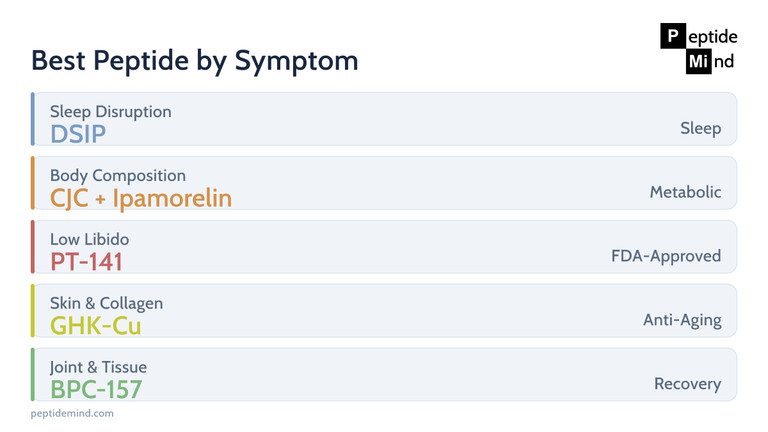
Match Your Symptom to the Right Peptide
Hot flashes and hormone dysregulation: Peptides for hot flashes work indirectly by supporting the hormonal axes that destabilize during perimenopause. CJC-1295 + Ipamorelin and Sermorelin are the most frequently prescribed options here, because both restore the growth hormone pulses that decline in tandem with estrogen, partially offsetting the compounding hormonal shift that drives vasomotor symptoms. Neither peptide replaces estrogen, but they address the GH-axis decline that HRT alone does not correct.
Sleep disruption: DSIP (Delta Sleep-Inducing Peptide) is the most targeted option for sleep. It promotes slow-wave delta sleep by modulating GABAergic and NMDA neurochemical pathways and reducing cortisol output, directly addressing the elevated HPA axis activation that estrogen decline produces. Sermorelin and CJC-1295 + Ipamorelin are also used in sleep-focused protocols because GH secretion peaks during deep sleep and the two processes are tightly coupled.
Libido decline: PT-141 (Bremelanotide) is the only FDA-approved option in this list, approved specifically for hypoactive sexual desire disorder. It works through hypothalamic dopamine pathways rather than altering hormone levels, which makes it relevant when desire deficits persist even after estrogen therapy has been optimized.
Joint pain and tissue recovery: BPC-157 and TB-500 target musculoskeletal repair through complementary mechanisms. BPC-157 upregulates growth hormone receptors in tendon fibroblasts and supports gut lining integrity; TB-500 drives actin-mediated cellular migration and reduces local inflammation through macrophage polarization. Both carry preclinical-only evidence ratings.
Weight gain and abdominal fat: AOD-9604 is the most targeted compound for fat metabolism, stimulating lipolysis via beta-3 adrenergic receptor pathways without elevating IGF-1 or disrupting glucose metabolism. CJC-1295 + Ipamorelin also supports body recomposition by increasing growth hormone, which drives lean mass preservation as estrogen declines.
Skin aging and collagen loss: GHK-Cu (Copper Peptide) directly activates collagen gene expression through the MAPK/ERK pathway. Perimenopause accelerates collagen breakdown at roughly 30% in the first five years of estrogen decline; GHK-Cu signals fibroblasts to synthesize type I and type III collagen and elastin to counter that loss.
Injection vs. Non-Injection Options
Most research-backed perimenopause peptides require subcutaneous injection. CJC-1295 + Ipamorelin, Sermorelin, BPC-157, TB-500, AOD-9604, DSIP, and Epithalon are all administered subcutaneously using a small insulin-gauge syringe. PT-141 is also a subcutaneous injection, self-administered at least 45 minutes before use. The one exception with a genuine non-injection route is GHK-Cu, which is available as a compounded topical cream or serum that is applied daily without a prescription in many markets; injectable GHK-Cu is available through compounding pharmacies with a physician prescription for faster or systemic results. Women who are unwilling or unable to self-inject should discuss the topical GHK-Cu route as an accessible entry point, while understanding that most other compounds on this list do not have a validated non-injection alternative. For a step-by-step overview of how to use peptides for the first time, including reconstitution and dosage calculation, see our beginner's guide.
Are Peptides Safe During Perimenopause? Key Risks to Know
Peptide therapy for perimenopause remains investigational for nearly every compound covered here, with the sole exceptions being FDA-approved drugs such as PT-141. Outside those exceptions, there are no large-scale, long-term human safety trials confirming outcomes for perimenopausal women, which means clinical supervision is not optional; it is the baseline requirement for responsible use. As the physician at Bonza Health states directly, "we simply don't have long-term human safety data for most of these peptides," and that absence of data is itself a risk that women deserve to understand before starting any protocol. Peptides for menopause should always be evaluated in the context of a full hormone and health panel, not started in isolation.

The IGF-1 and Cancer Risk Question
Growth hormone secretagogues, including CJC-1295 + Ipamorelin and Sermorelin, work by elevating growth hormone output, which in turn raises insulin-like growth factor 1 (IGF-1) levels. Multiple large case-control studies have identified positive associations between high circulating IGF-1 and increased risk for certain cancers, including breast and colorectal cancer. Additionally, some peptides activate angiogenesis pathways (blood vessel formation) that are active in roughly half of human cancers, raising theoretical concerns even for non-GH peptides such as BPC-157 and TB-500. Women with a personal or family history of hormone-sensitive cancers, BRCA1/2 mutations, or Lynch syndrome should discuss these associations directly with their oncologist before starting any peptide protocol.
Who Should Avoid Peptide Therapy
Shop research peptides
Live pricing from our top-rated vendor. Prices update as vendor listings change.
The following patient profiles are not appropriate candidates for peptide therapy, based on contraindication guidance from Bonza Health and Stem Cell MIA:
Current or recent cancer diagnosis: Peptides that elevate IGF-1 or activate angiogenesis pathways present an unacceptable theoretical risk in individuals with active or recently treated malignancy.
Strong family history of hormone-sensitive cancers or genetic predisposition (BRCA1/2, Lynch syndrome): Elevated IGF-1 carries meaningful epidemiological risk that outweighs potential benefit without oncology clearance.
Active autoimmune disease or severe uncontrolled inflammation: Several peptides modulate immune signaling; introducing additional immune-active compounds without full diagnostic workup adds unpredictable variables.
Pregnancy or breastfeeding: No safety data exists for peptide use during pregnancy or lactation; all protocols should be discontinued prior to conception.
Uncontrolled endocrine disease: Women with unmanaged thyroid disorders, diabetes, or adrenal dysfunction require stabilization of those conditions before peptide therapy is introduced.
Those without foundational health practices in place: Clinical guidance from Bonza Health frames peptides as add-ons to established hormonal optimization and lifestyle foundation, not replacements for them; starting peptides without addressing nutrition, sleep, and hormone status first is contraindicated.
Peptides and HRT: Can They Be Combined?
Several peptides have been used concurrently with hormone replacement therapy under provider supervision. For a broader look at peptide stacks organized by goal, including protocols that combine growth hormone secretagogues, see our full stacks guide. See the FAQ section below for a full answer on HRT compatibility and what provider monitoring looks like in a combined protocol.
Frequently Asked Questions: Peptides for Perimenopause
What are the best peptides to take during perimenopause?
CJC-1295 + Ipamorelin and Sermorelin are the most frequently cited options for hormonal support and growth hormone restoration during perimenopause, with both compounds showing moderate evidence from peer-reviewed human studies. The right choice depends on your primary symptom: sleep disruption points to DSIP, libido decline to PT-141, and tissue or joint recovery to BPC-157. A provider evaluation and baseline hormone panel should precede any protocol.
Can I take peptides alongside hormone replacement therapy (HRT)?
Several peptides have been used concurrently with HRT under medical supervision. Growth hormone secretagogues such as CJC-1295 and Sermorelin may complement estrogen therapy by addressing the growth hormone decline that HRT does not correct, since estrogen replacement has no direct effect on GH pulse amplitude. Provider supervision is required to monitor hormone interactions and adjust dosing.
How long do peptides take to work for perimenopause symptoms?
Timelines vary by compound and symptom. Sleep and energy improvements from DSIP or Sermorelin are generally reported within three to six weeks of consistent use. Body composition changes from AOD-9604 or CJC-1295 + Ipamorelin typically require eight to twelve weeks for initial metabolic shifts and three to six months for measurable composition changes. Skin and collagen benefits from GHK-Cu are documented at three months in a controlled trial using daily gel application.
What peptide is best for perimenopause weight gain?
AOD-9604 is the most targeted option for fat metabolism, specifically designed to stimulate lipolysis and inhibit fat cell formation without elevating IGF-1 or disrupting insulin sensitivity, making it a relevant choice given that perimenopausal women already face increased insulin resistance risk. CJC-1295 + Ipamorelin also supports body composition by restoring growth hormone pulses that decline alongside estrogen. GLP-1 receptor agonists such as semaglutide carry the strongest clinical evidence for weight loss overall but work through a distinct mechanism and require separate evaluation.
What is microdosing peptides for perimenopause?
Microdosing refers to using lower-than-standard doses of peptides, typically to minimize side effects during the initial phase of therapy or when stacking multiple compounds simultaneously. In perimenopause protocols, microdosing is most commonly applied to growth hormone secretagogues such as Sermorelin or CJC-1295 + Ipamorelin, where starting at the lower end of the dosing range allows the provider to assess individual GH response and tolerance before escalating. A licensed provider sets the starting dose based on baseline hormone panels and clinical assessment.
Final Thoughts: Choosing Peptides for Perimenopause
Peptides for perimenopause offer a distinct category of support that sits outside conventional hormone therapy but works alongside it. The nine compounds in this guide address the full range of perimenopause symptoms, from the growth hormone decline behind body composition shifts to the neurological pathways driving low desire to the connective tissue vulnerability that intensifies with falling estrogen.
CJC-1295 + Ipamorelin and Sermorelin remain the most widely used options for hormonal and metabolic support. DSIP addresses the sleep disruption that compounds nearly every other symptom. PT-141 is the only FDA-approved peptide in this list, making it the lowest-risk starting point for women with libido concerns. GHK-Cu is the most accessible entry point, with validated topical formats that do not require injection.
None of these compounds are substitutes for a proper diagnostic workup, optimized HRT where indicated, and the foundational lifestyle practices that anchor any perimenopause protocol. Peptide therapy is additive, not primary. Used within a supervised protocol, with baseline labs and an understanding of individual risk factors, it represents a meaningful addition to the perimenopause toolkit.
Disclaimer
Shop research peptides
Live pricing from our top-rated vendor. Prices update as vendor listings change.
The information provided on Peptide Mind is for educational purposes only and is not a substitute for professional medical advice. Many peptides discussed on this site are unapproved research chemicals intended strictly for laboratory and preclinical use. Furthermore, any dosage calculator provided is a theoretical tool for math visualization and does not represent medical dosing instructions. The FDA has not evaluated these statements, and nothing on this site is intended to diagnose, treat, cure, or prevent any disease. By accessing this site, you confirm you are over the age of 21, waive any claims or liability arising from the use of the content portrayed, and fully indemnify Peptide Mind against any unauthorized usage, claims, or liability in accordance with our Terms of Service.
Add a comment
This will be publicly visible.
Your email address will not be published.
Your comment will be reviewed by an admin before it is published.